by
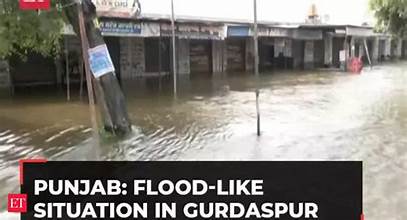
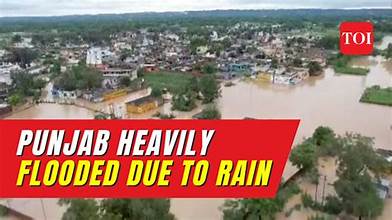
by The aftermath of devastating floods in Punjab has left more than just infrastructural damage and economic hardship. A new wave of health crises is now emerging, with alarming spikes in dengue fever, malaria, and diarrhea cases across flood-affected areas. Stagnant water, destroyed sanitation systems, and limited access to medical facilities have created the perfect breeding ground for infectious diseases, posing a grave threat to already vulnerable communities.
This blog explores the current situation, the reasons behind the outbreak, its impact on flood victims, and the urgent steps required to curb this growing public health emergency.
Floods and Their Lingering Impact
Every year, Pakistan faces the wrath of heavy monsoon rains, but in recent times, climate change has magnified the scale of destruction. Punjab, being one of the country’s most fertile and populous provinces, bears the brunt of such disasters. Floods sweep away homes, displace families, damage crops, and disrupt daily life for millions.
But once the immediate floodwaters begin to recede, a second crisis begins: the outbreak of waterborne and vector-borne diseases. Unlike physical damage, which can be quantified in terms of infrastructure and agriculture, the health burden of floods is often underreported yet far more deadly.
Why Are Dengue, Malaria, and Diarrhea Spreading?
Floods create an ideal environment for disease transmission. The following factors explain why dengue, malaria, and diarrhea are spreading rapidly:
1. Stagnant Water Pools
Floodwaters that remain stagnant become breeding sites for mosquitoes, particularly Aedes aegypti and Anopheles species, which transmit dengue and malaria. With thousands of such pools scattered across villages and towns, controlling the mosquito population becomes almost impossible.
2. Damaged Sanitation Infrastructure
Collapsed sewage lines and contaminated drinking water supplies expose communities to diarrhea-causing pathogens like E. coli and cholera bacteria. Families forced to drink unsafe water or cook with it are at constant risk of gastrointestinal infections.
3. Overcrowded Relief Camps
Displaced flood victims often take shelter in crowded relief camps. Limited sanitation facilities, shared food sources, and poor hygiene conditions accelerate the transmission of communicable diseases.
4. Limited Medical Access
With roads damaged and hospitals overwhelmed, many flood-hit families cannot reach healthcare facilities in time. By the time they receive medical attention, complications have already worsened, increasing the fatality risk.
The Rise in Dengue Cases
Health authorities report a sharp increase in dengue patients in Punjab’s flood-affected districts. Dengue fever, often called “breakbone fever,” is characterized by high fever, severe headache, muscle pain, and rash.
During post-flood seasons, mosquito bites become nearly unavoidable as families live in partially submerged houses or open camps. The shortage of mosquito nets, repellents, and fumigation drives has worsened the situation. Dengue cases can quickly turn severe if not treated, leading to dengue hemorrhagic fever and shock syndrome.
Malaria Outbreaks After Floods
Malaria remains one of the deadliest mosquito-borne diseases worldwide, and floods give it a chance to spread rapidly. Reports indicate that Punjab’s southern districts are experiencing a surge in malaria patients, many of whom are children.
Malaria symptoms include high fever, chills, and fatigue, but if left untreated, it can cause anemia, seizures, and even death. Unfortunately, the lack of diagnostic kits and anti-malarial medicines in remote areas means patients are often misdiagnosed or left untreated.
Diarrheal Diseases: The Silent Killer
While dengue and malaria often dominate headlines, diarrhea poses an equally dangerous threat, especially to children under five. Contaminated water, spoiled food, and poor hygiene make diarrhea outbreaks common after floods.
Doctors in Punjab have already noted rising cases of acute watery diarrhea, dysentery, and cholera-like symptoms in relief camps. The main concern is dehydration, which can quickly turn fatal without access to oral rehydration salts (ORS) and clean drinking water.
The Human Toll on Flood Victims
For families already devastated by floods, the additional burden of disease is unbearable. Parents watch helplessly as their children suffer from high fevers and dehydration. Elderly individuals, already weakened by displacement, struggle to survive infections.
The economic cost is equally damaging. Daily wage earners who lose income due to illness cannot afford medical expenses, creating a vicious cycle of poverty and disease. Women, who are traditionally caregivers, face extra pressure in maintaining hygiene with limited resources.
Punjab Flood Victims Face Spike in Dengue, Malaria, and Diarrhea
Government and NGO Response
Authorities in Punjab, along with non-governmental organizations, are attempting to control the outbreak. Relief efforts include:
- Fumigation campaigns in affected areas to reduce mosquito breeding.
- Distribution of mosquito nets and repellents in relief camps.
- Emergency medical camps providing basic healthcare and medicines.
- Chlorination of water supplies to ensure safer drinking water.
- Awareness campaigns teaching families about hygiene, boiling water, and using ORS.
Despite these measures, the sheer scale of floods means resources remain inadequate. More coordinated and large-scale interventions are urgently required.
What Needs to Be Done?
To prevent further escalation, the following steps are critical:
- Rapid Medical Deployment – Mobile health teams must reach remote flood-hit areas with testing kits and essential medicines.
- Clean Water Access – Installation of water filtration plants and distribution of bottled water can prevent diarrheal diseases.
- Mass Fumigation Drives – Immediate large-scale mosquito control campaigns are vital to curb dengue and malaria.
- Improved Relief Camp Sanitation – Providing proper toilets, hand-washing stations, and waste disposal systems can reduce disease spread.
- Community Involvement – Training locals to identify symptoms early and take preventive measures is key in minimizing fatalities.
Long-Term Solutions
While short-term relief is essential, Pakistan needs long-term strategies to prevent such crises in the future:
- Climate Adaptation Planning – Building stronger flood management systems and early warning mechanisms.
- Health Infrastructure Strengthening – Establishing resilient rural healthcare systems capable of handling emergencies.
- Public Health Education – Encouraging communities to adopt preventive health measures year-round.
- International Assistance – Partnering with global organizations for funding, medical supplies, and expertise.
Conclusion
The tragedy of floods in Punjab goes beyond lost homes and crops. It is now unfolding as a public health disaster, with dengue, malaria, and diarrhea endangering thousands of lives. Without urgent interventions, the death toll could climb higher than the destruction caused by the floods themselves.
The resilience of Punjab’s people is remarkable, but resilience alone cannot fight disease. What is needed is a collective response—from government agencies, healthcare workers, NGOs, and international allies—to provide timely medical care, improve sanitation, and prevent future outbreaks.
Only through coordinated efforts can Punjab’s flood-hit families find relief, rebuild their lives, and protect their health in the face of recurring climate challenges.