by
by Afghanistan has once again been struck by tragedy as a powerful earthquake tore through several provinces, leaving widespread destruction and unimaginable human suffering in its wake. The devastating quake has claimed the lives of around 800 people and left more than 2,800 injured, plunging the nation into grief while triggering urgent rescue and relief efforts.
This disaster not only highlights the fragility of Afghanistan’s infrastructure in the face of natural calamities but also underscores the dire humanitarian challenges the country continues to face amid political and economic instability.
The Earthquake: A Sudden Catastrophe
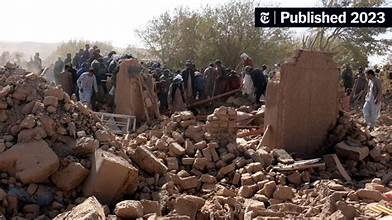
The quake struck without warning, sending tremors across vast stretches of Afghanistan and neighboring regions. Many people were caught inside their homes as the buildings crumbled. In rural villages, where mud-brick houses are the norm, entire structures collapsed within seconds, trapping families under the rubble.
Witnesses described the chaos as scenes of panic, with terrified residents running through the streets as the ground shook beneath them. Survivors later recounted how they scrambled to dig out loved ones with bare hands in the immediate aftermath, long before rescue teams could arrive.
Casualties and Injuries
The confirmed toll of 800 dead and 2,800 injured is staggering, and officials warn that the numbers may rise further as search operations continue. Hospitals in quake-hit provinces have been overwhelmed by the influx of patients, many suffering from fractures, head injuries, and crush wounds. With limited medical supplies and personnel, doctors and nurses are struggling to treat victims effectively.
Adding to the crisis, many healthcare centers in Afghanistan are already under-resourced due to years of conflict and economic challenges. Field hospitals and emergency tents have been set up, but the demand for urgent medical attention far outstrips the available resources.
Infrastructure and Property Damage
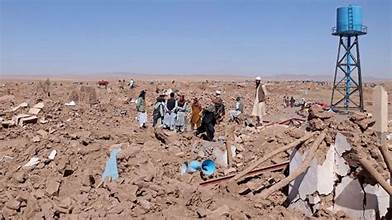
Entire villages have been flattened in some of the hardest-hit areas. Roads have cracked, electricity lines have been cut, and water supplies disrupted, leaving survivors in desperate conditions. Families who lost their homes are now forced to live in makeshift shelters, exposed to the elements and vulnerable to disease outbreaks.
In urban centers, buildings sustained heavy structural damage, with some collapsing entirely. Schools, mosques, and markets that once served as community hubs now lie in ruins. For many families, the loss of property compounds the tragedy of losing loved ones, as they face an uncertain future without homes or livelihoods.
The Humanitarian Response
Rescue and relief operations have been launched, though the country’s logistical challenges and ongoing political difficulties hinder rapid response. Teams of volunteers, Afghan Red Crescent Society workers, and international aid organizations have been working tirelessly to pull survivors from the rubble and deliver emergency supplies.
However, the magnitude of the disaster requires far greater international assistance. Afghanistan’s geography—characterized by mountainous terrain and remote villages—makes it difficult for rescue teams to access some of the most severely affected areas. Helicopters and ground vehicles are being used where possible, but delays have cost lives.
Immediate needs include:
- Emergency medical supplies
- Food and clean drinking water
- Temporary shelters and blankets
- Heavy machinery for clearing rubble
- Psychological support for traumatized survivors
The Human Struggle: Stories from Survivors
Behind every number lies a deeply personal story of loss and survival. Parents mourning the loss of children, children suddenly orphaned, and entire families wiped out in seconds—these are the heartbreaking realities now unfolding.
One survivor described how he lost his wife and two children when their mud house collapsed. Another young girl, pulled alive from the rubble after hours, clung desperately to rescue workers, crying for her missing family. Such stories highlight the immense emotional toll that this catastrophe has inflicted on already struggling communities.
Afghanistan’s Vulnerability to Earthquakes
Afghanistan lies in a seismically active region where earthquakes are not uncommon. Poor infrastructure, combined with the widespread use of weak construction materials such as mud bricks, makes the population particularly vulnerable to seismic activity.
This recent tragedy is a reminder of the urgent need for better disaster preparedness, resilient infrastructure, and stronger emergency response systems. Yet with Afghanistan facing economic hardship and limited governance capacity, implementing such measures remains a daunting challenge.
Global Reactions and Aid Promises
Countries around the world have expressed condolences and offered support. Humanitarian organizations have called for urgent international aid to assist in relief operations. The United Nations, Red Cross, and various NGOs have begun mobilizing resources, but the scale of the devastation demands coordinated global action.
Neighboring countries, too, have pledged assistance. Yet, political sensitivities often complicate aid delivery in Afghanistan, making it essential that humanitarian concerns take precedence over political disputes in the wake of such a disaster.
Long-Term Challenges
While immediate rescue and relief efforts remain the priority, Afghanistan will soon have to confront longer-term challenges. Rebuilding homes, schools, and infrastructure will require substantial investment. Many survivors will face psychological trauma and displacement, and the road to recovery will be long and painful.
Moreover, Afghanistan’s fragile economy and ongoing humanitarian crisis—marked by food insecurity, poverty, and limited healthcare—are likely to make recovery even harder. Without consistent international support, affected communities may struggle to rebuild their lives.
Lessons to Learn
The earthquake serves as a painful reminder of the importance of disaster preparedness in vulnerable regions. Lessons that need urgent attention include:
- Strengthening Infrastructure – Building earthquake-resistant homes and public buildings.
- Disaster Education – Training communities on how to respond during earthquakes.
- Emergency Response Systems – Establishing rapid deployment teams and resource reserves.
- International Partnerships – Ensuring humanitarian aid reaches people without delay.
- Long-Term Investment – Supporting Afghanistan beyond immediate relief to foster resilience.
Conclusion
The earthquake that killed 800 people and injured 2,800 is one of the most devastating natural disasters Afghanistan has faced in recent years. It has laid bare the vulnerabilities of a nation already grappling with economic, political, and social challenges.
As Afghanistan mourns its dead and struggles to care for its injured, the international community faces a moral responsibility: to provide not only immediate relief but also long-term support for rebuilding and resilience. The world must come together to help Afghanistan through this tragedy, ensuring that the survivors are not left to face their suffering alone.
Only through solidarity, compassion, and sustained assistance can Afghanistan begin to heal from this catastrophe and prepare for a safer, more resilient future.