
 by
by Cervical cancer remains one of the most preventable yet devastating diseases affecting women worldwide. Despite years of research, awareness campaigns, and vaccination drives, hesitancy toward the cervical cancer vaccine—commonly known as the HPV vaccine—continues to be a major barrier. Recent reports reveal that over 3 million parents have refused the cervical cancer vaccine for their children, sparking widespread concern among healthcare professionals and policymakers. This trend highlights the ongoing struggle between science-based medicine and public perception, raising critical questions about health education, vaccine hesitancy, and the role of governments in addressing misinformation.
Understanding the Cervical Cancer Vaccine
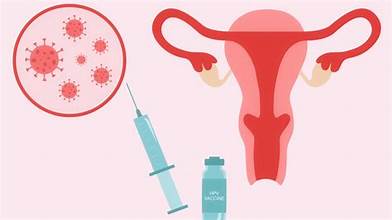
The cervical cancer vaccine is primarily designed to protect against the Human Papillomavirus (HPV), a common sexually transmitted infection responsible for nearly all cases of cervical cancer. HPV can also cause other cancers, including throat, anal, and genital cancers, as well as genital warts. The vaccine works by stimulating the immune system to produce antibodies that prevent infection from the most dangerous strains of HPV.
Most health organizations, including the World Health Organization (WHO) and the Centers for Disease Control and Prevention (CDC), recommend vaccinating children—both boys and girls—between the ages of 9 and 14, before they become sexually active. Studies have consistently shown that the vaccine is safe and highly effective, reducing the risk of HPV-related cancers by up to 90%.
Why Are Parents Refusing the Vaccine?
Despite overwhelming evidence of its benefits, millions of parents are declining the cervical cancer vaccine for their children. Several factors contribute to this widespread refusal:
1. Misinformation and Myths
One of the biggest obstacles is misinformation spread online and within communities. Myths such as the vaccine causing infertility, severe side effects, or promoting early sexual activity have discouraged many parents. In reality, these claims are not supported by credible scientific evidence.
2. Cultural and Religious Beliefs
In some societies, discussions about sexual health and preventive measures are considered taboo. Parents may associate the HPV vaccine with early sexual activity, assuming that vaccinating their child implies endorsement of premarital sexual behavior.
3. Lack of Awareness
Many parents are simply unaware of how common HPV is and how devastating cervical cancer can be. Unlike other diseases, HPV often goes undetected for years, only showing symptoms when it’s too late for effective treatment.
4. Fear of Side Effects
Although side effects of the vaccine are usually mild—such as temporary soreness at the injection site, fever, or fatigue—fear of rare but exaggerated risks keeps some parents from consenting.
5. Distrust in Health Systems
In countries where public health services face challenges, distrust toward medical recommendations is common. Parents may hesitate to vaccinate their children if they feel the system has failed them in other areas of healthcare.
The Consequences of Vaccine Refusal
The refusal of the cervical cancer vaccine by millions of parents poses serious risks. These consequences extend beyond the individual child to entire communities and future generations.
1. Rising Cervical Cancer Cases
Cervical cancer kills hundreds of thousands of women each year globally. By declining vaccination, parents are leaving their children vulnerable to infections that could easily be prevented.
2. Burden on Healthcare Systems
Treatment for advanced cervical cancer is costly and often inaccessible in developing countries. Preventive vaccination is far less expensive and more effective than treatment, yet refusal will increase healthcare burdens in the long run.
3. Missed Global Targets
The WHO has set ambitious goals to eliminate cervical cancer as a public health problem by the end of the century. Mass refusals put these targets at risk, slowing down global progress.
4. Inequality in Health Access
Children whose parents accept the vaccine will likely remain protected, while those whose parents refuse it will face higher risks. This could create new health inequalities across populations.
Addressing the Hesitancy
To reverse this trend, governments, health professionals, and community leaders must work together. Several strategies can help encourage parents to make informed decisions:
1. Strengthening Public Education
Clear, fact-based communication is essential. Awareness campaigns should use simple language, culturally appropriate messaging, and real-life survivor stories to illustrate the vaccine’s importance.
2. Engaging Community Leaders
Religious and cultural leaders often hold significant influence over community members. Involving them in campaigns can help reduce stigma and correct misconceptions.
3. Making Vaccination Accessible
Providing free or low-cost vaccines at schools, community health centers, and through outreach programs can ensure that financial barriers do not prevent uptake.
4. Transparency About Side Effects
Healthcare providers must openly discuss possible side effects while reassuring parents about the overwhelming evidence of safety and effectiveness. Transparency builds trust.
5. Involving Parents in Policy
Instead of imposing mandates, governments could involve parents in policy discussions, giving them a sense of ownership and trust in the healthcare process.
The Role of Schools
Schools play a critical role in increasing vaccine acceptance. By hosting vaccination drives and educating both students and parents, schools can normalize preventive healthcare. Health classes that cover HPV, cervical cancer, and the benefits of vaccination can empower young people to advocate for their own health.
A Global Responsibility
The refusal of cervical cancer vaccination is not limited to one country—it is a global issue. Wealthier nations with high vaccination rates must support awareness campaigns in low- and middle-income countries where misinformation is widespread. Collaboration between governments, NGOs, and international health organizations is key to overcoming resistance and ensuring equal access to preventive healthcare.
Moving Forward
Over 3 million parents rejecting the cervical cancer vaccine is more than just a statistic—it is a reflection of the challenges the world faces in promoting preventive healthcare. This trend highlights the urgent need for better communication, stronger trust in health systems, and community-driven initiatives.
Vaccines have always been humanity’s most powerful weapon against deadly diseases. The cervical cancer vaccine is no different. Its refusal today could mean unnecessary suffering tomorrow. If misinformation, fear, and cultural stigma continue to dominate the conversation, millions of young people may face preventable battles with cancer in the future.
The responsibility lies with all of us—health professionals, parents, educators, and policymakers—to ensure that children are protected. A united effort to promote awareness, provide access, and rebuild trust could change the tide, saving countless lives for generations to come.