 by
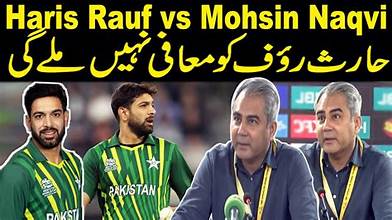
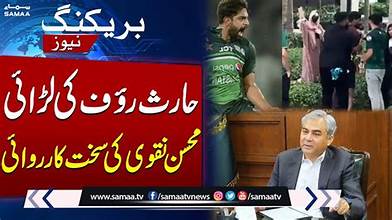
by In the dynamic and often dramatic world of cricket, stories of resilience, setbacks, and support frequently dominate the headlines. Recently, the focus turned towards Pakistani cricketer Haris Rauf, who has faced both acclaim and criticism throughout his career. Known for his fierce pace and aggressive bowling style, Rauf has become a crucial component of Pakistan’s bowling attack. However, a controversy surrounding his fine recently shook the cricketing community. The twist came when Pakistan Cricket Board (PCB) Chairman Mohsin Naqvi stepped forward with a gesture of generosity, announcing his intention to pay Haris Rauf’s fine out of his own pocket.
This remarkable move not only made headlines but also sparked a wave of discussions across cricketing circles, sports media, and among fans. The decision carries symbolic weight, reflecting both leadership and personal solidarity with a player under immense pressure. In this blog, we will explore the background of the fine, the significance of Mohsin Naqvi’s offer, its impact on Haris Rauf’s career, and what it means for Pakistan cricket moving forward.
Background: The Fine on Haris Rauf
Haris Rauf, one of Pakistan’s most promising fast bowlers, has always played with intensity. His ability to clock speeds well above 145 km/h and intimidate batsmen makes him a match-winner in limited-overs cricket. However, with aggression comes scrutiny. Cricket authorities and boards often impose penalties for disciplinary breaches, whether related to code of conduct violations, disputes, or breaches of contractual obligations.
In Rauf’s case, the fine imposed stirred debate within the cricketing community. Some saw it as justified under the PCB’s regulations, while others argued it was harsh on a player who has consistently given his all on the field. The fine also highlighted the pressures cricketers face off the pitch, especially when their commitment is questioned or when they make decisions that clash with the board’s expectations.
Mohsin Naqvi’s Personal Intervention
What caught the world’s attention was not just the fine itself, but Mohsin Naqvi’s intervention. As the Chairman of the Pakistan Cricket Board, Naqvi could have simply let the matter resolve within the administrative framework of the board. Instead, he chose a different route — one that was personal and symbolic. By offering to pay Haris Rauf’s fine out of his own pocket, Naqvi demonstrated a unique form of leadership that resonates deeply in Pakistan’s cricketing culture.
This gesture sends multiple signals. Firstly, it shows Naqvi’s acknowledgment of Rauf’s contributions to Pakistan cricket. Secondly, it underscores empathy for players who sometimes struggle with the immense scrutiny and demands of professional cricket. And thirdly, it sets a tone of encouragement, reminding players that the board is not only an authority figure but also a partner in their journey.
Why This Gesture Matters
At first glance, the act of paying someone else’s fine may appear simple, even symbolic. Yet in the context of Pakistan cricket, it carries immense meaning. For decades, Pakistani players have battled with administrative rifts, inconsistent support, and public criticism. Rarely do players receive such direct backing from their leadership.
For Haris Rauf, who has faced criticism from both fans and pundits for occasional lapses in consistency, this show of faith from Naqvi is invaluable. It reassures him that despite setbacks, his place in the team and his efforts are recognized. In high-pressure sports like cricket, morale and confidence often dictate performance as much as skill does. By easing Rauf’s burden, Naqvi is effectively allowing him to focus on his cricket without carrying the weight of controversy.
The Impact on Haris Rauf
The life of a fast bowler is challenging. Injuries, form slumps, and criticism can derail even the most talented of players. Haris Rauf, despite his fiery spells, has occasionally been criticized for inconsistency or for being too aggressive. The fine only added to this stress.
Naqvi’s intervention could be a turning point for Rauf. It offers him not just financial relief but also emotional support at a time when he needed it most. When leadership demonstrates faith in a player, it often sparks renewed determination. Many believe Rauf will now channel this backing into stronger performances for Pakistan, using it as motivation to silence critics and prove his worth.
Symbolism for Pakistan Cricket
The episode goes beyond Haris Rauf’s individual career. It reflects a shift in how cricket administration in Pakistan might evolve under Mohsin Naqvi’s leadership. Historically, friction between players and the PCB has been a recurring theme, often resulting in rifts, bans, or premature retirements. Naqvi’s gesture suggests a softer, more empathetic approach.
Such leadership could foster greater trust between players and the board, an element desperately needed in Pakistan cricket. When players feel their board genuinely supports them, they are more likely to remain committed and motivated, both on and off the field.
Public and Media Reaction
Unsurprisingly, Naqvi’s decision sparked a flurry of reactions. Many fans applauded him for showing personal support to Haris Rauf, calling it a step towards a healthier cricketing culture. Others questioned whether such gestures set a precedent, worrying that players might rely on personal interventions rather than accountability.
Nevertheless, the majority response has been positive, with sports analysts framing the move as a strategic act of leadership rather than a mere personal favor. In a cricket-loving nation like Pakistan, where players are often idolized and scrutinized in equal measure, such moments help humanize the relationship between administrators and athletes.
Lessons for Leadership in Sports
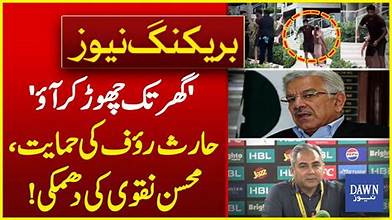
Leadership in sports extends beyond policymaking and administration. It involves understanding the psychological needs of players, addressing their struggles, and creating an environment where they can thrive. Mohsin Naqvi’s decision provides an important lesson: that leaders who step down from their administrative pedestal and extend personal support can inspire confidence and loyalty in their teams.
Cricket is not just about numbers and performances; it is about people, emotions, and resilience. By offering to pay Haris Rauf’s fine, Naqvi has set an example of empathetic leadership that could reshape the culture of Pakistan cricket.
What Lies Ahead
For Haris Rauf, the road ahead remains demanding. Pakistan cricket fans expect nothing less than match-winning performances, especially in high-stakes tournaments. With the support of his board and renewed confidence, Rauf now has an opportunity to reassert himself as one of the most dangerous fast bowlers in the game.
For Mohsin Naqvi and the PCB, the challenge is to build on this gesture by institutionalizing a culture of player support. Rather than relying solely on symbolic acts, the board must ensure consistent backing, transparent communication, and fair treatment for all players. If done well, Pakistan cricket could enter a new era of trust and stability.