 by
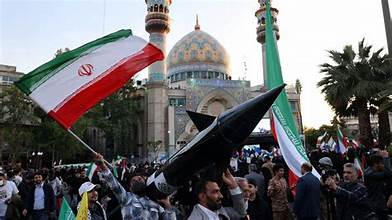
by The debate over international sanctions has once again taken center stage as Iran strongly condemns the recent reimposition of United Nations sanctions, calling the move “unjustifiable” and politically motivated. This development not only intensifies tensions between Tehran and the global community but also reopens long-standing debates about the fairness, effectiveness, and geopolitical underpinnings of the UN sanctions regime. For Iran, these sanctions represent more than just a diplomatic disagreement—they strike at the very core of its sovereignty, economic survival, and place in the international order.
The Background of UN Sanctions on Iran
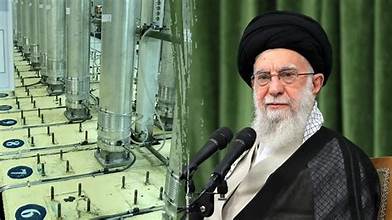
UN sanctions against Iran are not new. For decades, they have been at the heart of efforts to curb the country’s nuclear program, which Western nations suspect has military dimensions despite Iran’s repeated insistence that it is strictly for peaceful purposes. The first wave of sanctions began in the mid-2000s, targeting Iran’s trade, banking, and energy sectors. Over time, these sanctions intensified, heavily isolating Iran from global financial systems and limiting its ability to export oil, the backbone of its economy.
The landmark Joint Comprehensive Plan of Action (JCPOA) in 2015 was a breakthrough agreement that temporarily eased the tension. Under the JCPOA, Iran agreed to limit its nuclear activities in exchange for relief from international sanctions. This deal was welcomed as a significant step toward peace and stability in the Middle East. However, the United States’ unilateral withdrawal from the agreement in 2018 under President Donald Trump reignited the sanctions battle. Washington’s “maximum pressure” campaign aimed at crippling Iran economically, while the international community was left divided over how to deal with the fallout.
The Reimposition of UN Sanctions
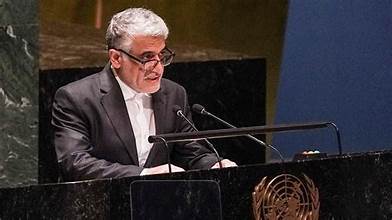
The latest move to reimpose UN sanctions has sparked anger in Tehran. Iranian officials argue that this step violates not only international law but also undermines trust in multilateral agreements. They accuse certain powers of manipulating the UN system to serve narrow political interests, rather than collective global security.
From Iran’s perspective, the sanctions are unjustifiable because:
- Nuclear Compliance: Tehran insists that it has remained transparent and cooperative with international inspectors, even under difficult circumstances.
- Economic Harm: The sanctions disproportionately hurt ordinary Iranians, cutting off access to essential goods, medicine, and international trade.
- Political Bias: Iran sees the sanctions as tools of coercion wielded by powerful nations rather than genuine measures for global peace.
Economic Consequences for Iran
The reimposition of UN sanctions threatens to deepen Iran’s already fragile economic situation. The country has been struggling with inflation, unemployment, and a currency crisis exacerbated by years of restrictions. Oil exports, which account for the majority of Iran’s revenue, face renewed obstacles as international buyers may shy away from engaging with Tehran due to fear of secondary sanctions.
Moreover, sanctions on financial transactions complicate Iran’s ability to conduct even basic international trade. This affects industries ranging from healthcare to technology, ultimately placing the burden on ordinary citizens. Critics of sanctions often argue that while political elites may find ways to circumvent restrictions, it is the average household that pays the highest price.
Diplomatic Fallout
Beyond economics, the sanctions create new challenges for Iran’s diplomatic outreach. Tehran has been actively trying to strengthen relations with neighboring countries, including forging closer ties with China, Russia, and other regional players. However, UN sanctions cast a shadow over these efforts, limiting Iran’s leverage in negotiations.
On the global stage, the reimposition also complicates efforts to revive the JCPOA or negotiate a new deal. Iran’s mistrust of the international community deepens, and leaders may become less inclined to engage in talks they perceive as one-sided or unreliable. This, in turn, heightens the risk of further regional instability, as Iran could seek alternative strategies to assert its influence.
Iran Condemns ‘Unjustifiable’ Reimposition of UN Sanctionsv
International Reactions
The move to reimpose sanctions has elicited mixed responses worldwide.
- Supporters argue that sanctions are necessary to hold Iran accountable and prevent it from advancing nuclear capabilities that could destabilize the Middle East.
- Critics, however, stress that sanctions have proven ineffective in changing state behavior and often end up worsening humanitarian crises.
Several countries, particularly in Europe, are wary of further escalation. They continue to emphasize diplomacy over punitive measures, recognizing that isolating Iran could close the door on constructive dialogue. Meanwhile, Iran’s allies have echoed its condemnation, portraying the sanctions as another example of double standards in global governance.
Iran’s Counter-Narrative
Iran has consistently positioned itself as a victim of Western bias, highlighting how sanctions fail to address the broader context of regional conflicts and security challenges. Iranian leaders argue that while their country is punished, other nations with similar or more severe human rights or security issues face little to no international scrutiny.
This counter-narrative resonates with certain parts of the world, especially among nations that view the UN system as dominated by powerful states with selective enforcement of rules. For them, Iran’s struggle reflects a broader issue of fairness and equality in global governance.
Humanitarian Concerns
One of the most pressing concerns surrounding the reimposition of sanctions is their humanitarian impact. Restrictions on financial transactions and trade can limit access to medical supplies, vaccines, and essential technology. During the COVID-19 pandemic, for instance, Iran faced significant hurdles in securing vaccines and medical equipment due to sanctions, despite humanitarian exemptions on paper.
Human rights organizations warn that renewed sanctions risk creating another humanitarian crisis, particularly for vulnerable groups such as children, the elderly, and patients with chronic illnesses. These unintended consequences add weight to Iran’s claim that sanctions are unjustifiable.
The Road Ahead
The reimposition of UN sanctions on Iran is more than a diplomatic dispute—it is a test of how the global community handles complex security issues in a multipolar world. Iran’s condemnation highlights the deep mistrust that exists between Tehran and international institutions. Without genuine dialogue and mutual concessions, the cycle of sanctions and countermeasures is likely to continue, perpetuating instability.
For Iran, the path forward lies in balancing resistance with engagement. Domestically, the government faces pressure to shield its citizens from economic pain while maintaining its assertive foreign policy. Internationally, it must navigate a diplomatic landscape shaped by competing powers, some of whom may be willing to cooperate despite UN restrictions.
For the broader international community, the challenge is to craft policies that ensure security without undermining humanitarian principles. Sanctions may serve as a tool of pressure, but without parallel diplomatic initiatives, they risk becoming counterproductive.
Conclusion
Iran’s condemnation of the “unjustifiable” reimposition of UN sanctions underscores the complexity of global diplomacy in an era of shifting power dynamics. While the sanctions aim to address security concerns, they also reveal the limitations and unintended consequences of punitive measures. As tensions escalate, the world watches to see whether dialogue or confrontation will define the next chapter in this ongoing saga.