
 by
by In a deeply distressing and heart-wrenching event, two women were reportedly burned alive by their husbands and in-laws in Daska, a tehsil of Sialkot district in Punjab. The gruesome crime has left the community in shock and the entire nation mourning yet another case of extreme domestic violence against women. The incident not only exposes the dark side of domestic abuse but also calls for an urgent and uncompromising response from authorities to ensure justice for the victims and protection for women across Pakistan.
According to initial police reports, the victims—two young women identified as sisters-in-law—were allegedly set ablaze following a heated domestic dispute. Preliminary findings suggest that ongoing family conflicts and dowry-related tensions may have triggered the violence. However, the brutality of the act reflects something far deeper: the systemic failure to protect women from long-standing cycles of abuse, coercion, and control.
The Incident in Detail
The tragic event unfolded in a small residential neighborhood of Daska, where both women lived with their husbands and extended family members. Witnesses and neighbors reported hearing screams and seeing smoke rising from the house early in the morning. When they rushed to help, the doors were locked from inside, and it took significant effort to gain entry.
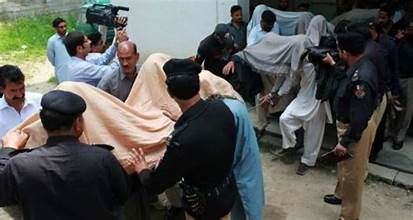
By the time rescue teams arrived, both women had sustained severe burns. Despite efforts to save them, they succumbed to their injuries. The bodies were shifted to a local hospital for postmortem examinations, while the police cordoned off the area to begin their investigation.
Local authorities have since arrested the primary suspects—the husbands and certain members of the in-laws’ family—after preliminary evidence suggested deliberate intent rather than an accident. Eyewitness statements and forensic evidence are expected to play a crucial role in determining the full truth behind this horrific crime.
A Disturbing Pattern of Domestic Violence
While this particular case has drawn attention for its extreme nature, it is far from an isolated event. Incidents of domestic violence, honor killings, and dowry-related abuse continue to plague many regions of Pakistan. Despite awareness campaigns and legal reforms, countless women remain vulnerable to violence within their homes—the very places meant to offer safety and love.
In rural and semi-urban areas, socio-cultural pressures often prevent victims from speaking out. Women are told to “endure” abuse for the sake of family honor or are economically dependent on their abusers, leaving them with little to no escape. In many instances, police inaction or social stigma further silences victims, leading to escalation over time.
According to the Human Rights Commission of Pakistan (HRCP), hundreds of women lose their lives each year in domestic abuse cases—many under suspicious circumstances described as “accidents.” These often include burn injuries, poisoning, or other forms of violence, indicating a deep-rooted pattern of gender-based oppression.
The Role of Law Enforcement and Legal Reforms
Following the Daska tragedy, local police have assured that no one involved will be spared from justice. The case has been registered under sections pertaining to murder and domestic violence, and authorities are awaiting forensic results to strengthen their case. However, activists and legal experts argue that such assurances have become a repetitive script—tragic incidents occur, arrests are made, and promises follow, yet systemic change remains elusive.
Pakistan does have laws that criminalize domestic abuse, including the Punjab Protection of Women Against Violence Act (2016) and the Criminal Law (Amendment) Act (2010), which introduced severe penalties for honor killings and acid attacks. However, the implementation of these laws is often inconsistent. In many cases, families pressure victims to withdraw complaints, or perpetrators are pardoned under “forgiveness” clauses, allowing them to escape punishment.
Experts emphasize that enforcement, not legislation, is the missing link. Without protection shelters, psychological support, and consistent prosecution, women continue to face violence behind closed doors.
A Horrifying Incident That Shocks the Nation
Public Outrage and Calls for Justice
The Daska case has sparked widespread outrage on social media and among civil rights groups. Hashtags demanding justice for the victims trended online, as users condemned the horrifying act and demanded accountability from both law enforcement and the government.
Human rights activists have urged the Punjab government to ensure a swift trial and public transparency in the investigation process. They also called for the establishment of local crisis centers, counseling facilities, and helplines where women in danger can seek immediate help without fear of retaliation.
Women’s rights organizations further highlighted the need for awareness campaigns targeting both men and women to address toxic family structures and gender-based power imbalances. They argue that education, financial empowerment, and social support are the real weapons against such tragedies.
Societal Silence and Cultural Barriers
Perhaps the most disturbing aspect of such incidents is the silence that surrounds them. Many neighbors and relatives admit to knowing about prior abuse but feel powerless—or unwilling—to intervene. In deeply patriarchal settings, domestic violence is often considered a “private matter,” leading to dangerous normalization of cruelty.
Breaking this silence requires collective courage. Communities must be educated to recognize abuse as a criminal act, not a domestic disagreement. Religious leaders, teachers, and local officials have a moral responsibility to speak against such practices and encourage victims to seek help.
Moreover, media coverage must go beyond sensationalism and focus on prevention—by highlighting success stories of women who escaped abusive relationships through legal or community support.
A Call to Action
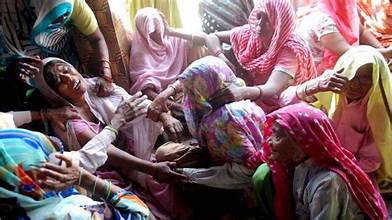
The tragic deaths of these two women in Daska are not just isolated murders—they are a mirror reflecting a deeper societal failure. Every such story reminds us that countless others suffer in silence, awaiting intervention that never comes.
Authorities must ensure:
- Swift Justice: Fast-track courts for gender-based violence cases.
- Protection Measures: Safe houses and emergency helplines in every district.
- Awareness Programs: Education campaigns on women’s rights and legal options.
- Law Enforcement Training: Sensitizing police to handle domestic violence complaints with seriousness and empathy.
- Community Responsibility: Encouraging neighbors, teachers, and relatives to report suspected abuse rather than ignore it.
The lives of these two women must not become just another news headline. Their story should serve as a wake-up call to all—families, communities, and governments alike—that domestic violence is a crime, not a cultural norm.
Conclusion
The Daska tragedy has left deep scars on Pakistan’s collective conscience. It’s a grim reminder that without collective effort—legal, social, and moral—women will continue to face unimaginable cruelty in the name of family honor, tradition, or pride.
Justice for these victims must be swift and uncompromising. But beyond that, true justice lies in ensuring that no woman ever has to fear for her life within her own home again. The path forward demands empathy, reform, and relentless advocacy for women’s safety, dignity, and equality.


