 by
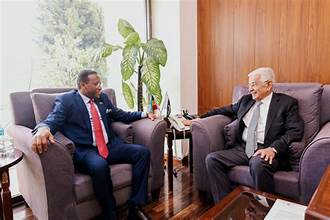
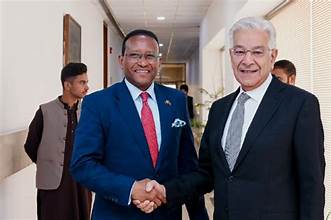
by In a significant step toward strengthening bilateral relations, Ethiopia and Pakistan have agreed to deepen their collaboration in the fields of defence and aviation. The agreement, seen as a cornerstone in their growing partnership, reflects the mutual desire of both nations to enhance strategic, technological, and economic ties. As both countries look to diversify international partnerships and build regional stability, this new cooperation is expected to open doors for joint ventures, military training, and aviation development.
Historical Context of Pakistan–Ethiopia Relations
Pakistan and Ethiopia share a long-standing diplomatic relationship rooted in mutual respect, non-interference, and cooperation. Formal diplomatic ties between the two nations were established shortly after Ethiopia became a founding member of the United Nations and the Organization of African Unity (now the African Union). Over the years, both nations have cooperated in various international forums, often supporting each other’s positions on key global issues, including peacekeeping, development, and decolonization.
In recent years, their relationship has gained new momentum as both countries recognized the potential for collaboration in trade, defence, and technological development. Pakistan’s strategic expertise in defence production and aviation technology, combined with Ethiopia’s growing role as a regional power in Africa, makes the partnership particularly promising.
Focus of the New Agreement
The recent agreement between Ethiopia and Pakistan primarily focuses on strengthening defence and aviation cooperation. The understanding was reached during a series of high-level discussions between officials from both countries, highlighting the shared vision to boost military collaboration and explore new avenues of engagement.
The key areas of cooperation outlined include:
- Defence Training and Education:
Pakistan, known for its advanced military institutions such as the National Defence University and the Pakistan Air Force Academy, is expected to offer training programs and academic exchanges for Ethiopian military personnel. These initiatives aim to enhance Ethiopia’s defence capabilities through exposure to Pakistan’s experience in counter-terrorism, strategic planning, and modern warfare techniques. - Aviation Collaboration:
Both sides expressed interest in developing joint aviation projects, including training pilots, sharing maintenance expertise, and exploring aircraft technology collaboration. With Pakistan Aeronautical Complex (PAC) Kamra producing fighter jets like the JF-17 Thunder and undertaking advanced maintenance operations, Ethiopia can gain valuable technical know-how to strengthen its aviation infrastructure. - Joint Military Exercises and Exchanges:
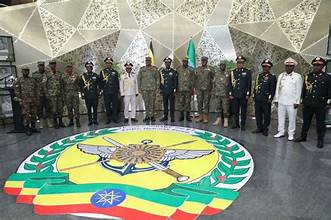
The two countries agreed to explore joint military exercises and exchange visits between defence officials. Such engagements will foster better understanding and operational coordination between their armed forces. - Industrial Cooperation in Defence Production:
Ethiopia’s growing interest in building its domestic defence industry aligns with Pakistan’s long-standing experience in producing small arms, aircraft, and military vehicles. Collaborative manufacturing and technology transfer could serve as major areas of future partnership.
Strategic Significance of the Partnership
This collaboration holds strategic importance for both countries. For Pakistan, it strengthens its diplomatic and economic footprint in Africa, a continent it views as central to its “Engage Africa Policy.” This initiative, launched by Pakistan’s Ministry of Foreign Affairs, aims to expand political, economic, and defence ties with African nations.
For Ethiopia, the partnership with Pakistan offers an opportunity to diversify its international defence relationships beyond traditional partners. Ethiopia has been modernizing its military and civil aviation sectors in recent years, and collaboration with Pakistan provides a cost-effective and technically advanced option.
Moreover, the cooperation fits within Ethiopia’s broader vision of regional leadership. As one of Africa’s most influential nations, Ethiopia seeks to enhance its defence readiness amid evolving security challenges in the Horn of Africa. Working with Pakistan — a country with vast experience in peacekeeping missions and counterterrorism — could help bolster Ethiopia’s security framework and operational capacity.
Title: Ethiopia and Pakistan Agree to Enhance Cooperation in Defence and Aviation Sectors
Aviation Sector as a Bridge of Cooperation
The aviation sector is expected to serve as a key bridge between the two countries. Pakistan International Airlines (PIA) has a long history of technical expertise and once played a pivotal role in establishing several airlines across the Middle East and Asia. Similarly, Ethiopian Airlines is one of the most successful carriers in Africa, recognized for its operational excellence and global connectivity.
Joint collaboration between the two could involve mutual training programs, technical exchanges, and cooperation in civil aviation management. The partnership could also help establish direct air connectivity between Islamabad and Addis Ababa — a move that would significantly boost trade, tourism, and diplomatic exchanges.
Such aviation ties would not only facilitate government-level cooperation but also promote people-to-people connections, enabling cultural and educational exchanges between African and South Asian societies.
Economic and Diplomatic Dimensions
Beyond defence and aviation, the agreement is also expected to pave the way for broader economic engagement. Pakistan has been seeking to enhance its exports to Africa, particularly in sectors like pharmaceuticals, textiles, and agricultural machinery. Strengthening ties with Ethiopia — one of Africa’s fastest-growing economies — aligns perfectly with Pakistan’s trade diversification goals.
Ethiopia, on the other hand, is keen to attract foreign investment and technology partnerships to support its industrialization drive. Pakistan’s expertise in small-scale manufacturing and agricultural technologies could complement Ethiopia’s developmental priorities.
Diplomatically, this partnership also reinforces South–South cooperation — a concept emphasizing collaboration among developing nations for mutual growth and stability. Both countries share a common vision for a multipolar world order based on equality and mutual benefit, making this partnership a step toward greater geopolitical balance.
Potential Challenges and the Way Forward
While the new agreement presents exciting opportunities, both nations will need to address certain challenges to ensure its success. Logistics, resource allocation, and bureaucratic hurdles could slow down implementation if not managed effectively. Sustained political will and institutional coordination will be essential to translate the agreement’s objectives into tangible outcomes.
Moreover, expanding military and aviation cooperation requires careful alignment with international standards, transparency, and mutual trust. Both governments must also ensure that this partnership contributes to regional peace and stability rather than fueling any form of rivalry or conflict.
To maintain momentum, periodic review meetings, joint task forces, and dedicated liaison offices could be established to monitor progress. Additionally, involving private sector partners and academic institutions would add depth to the collaboration and ensure long-term sustainability.
Conclusion
The agreement between Ethiopia and Pakistan to enhance cooperation in defence and aviation marks a significant milestone in their bilateral relationship. It reflects a shared vision for progress, security, and mutual development. As both nations embark on this new phase of partnership, the collaboration is expected to yield benefits beyond defence — encompassing economic growth, technological advancement, and stronger diplomatic ties.
In an increasingly interconnected world, such partnerships between emerging nations demonstrate how strategic cooperation can pave the way for self-reliance and regional stability. The coming years will reveal how effectively Ethiopia and Pakistan translate this agreement into a robust framework of mutual benefit and trust — one that strengthens not just their defence and aviation sectors, but their overall friendship as partners in progress.