 by
by Driver In a landmark judgment that underscores the importance of road safety and corporate accountability, a local court has held a waste collection company and its driver responsible for the tragic death of a motorcyclist, ordering Rs42.7 million in compensation to the victim’s family. The decision marks a significant moment in Pakistan’s evolving legal landscape, as it reinforces the principle that both private contractors and their employees must uphold public safety standards, especially when operating heavy machinery in densely populated urban areas.
This ruling not only delivers long-awaited justice to the bereaved family but also sets a crucial precedent for cases involving corporate negligence and reckless driving by commercial vehicle operators.
The Tragic Incident: How It Happened
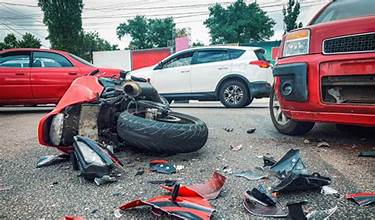
According to case details presented before the court, the accident occurred when a waste collection truck, operated by a private sanitation company contracted by the city administration, collided with a motorcycle at a busy intersection. Eyewitness accounts and CCTV footage indicated that the driver was speeding and failed to maintain a safe distance while making a turn, striking the biker with full force.
The motorcyclist, a young man in his early thirties, was critically injured and later succumbed to his injuries despite being rushed to a nearby hospital. The incident drew public outrage, especially on social media, where users demanded that both the driver and the company face legal consequences for negligence.
The victim’s family subsequently filed a civil claim for damages, arguing that the waste management firm had failed to ensure proper driver training, vehicle maintenance, and operational safety protocols.
Court Proceedings and Evidence
The case was brought before a civil court that examined evidence, including:
- CCTV footage of the incident
- Forensic reports confirming the vehicle’s excessive speed
- Driver employment records showing inadequate safety training
- Witness testimonies from pedestrians and nearby motorists
During the proceedings, the plaintiff’s counsel argued that the driver’s reckless behavior was not an isolated incident but part of a broader pattern of negligence within the company. The defense attempted to attribute the crash to “unforeseen road conditions” and partial fault of the deceased, but the court found these claims unsupported by evidence.
The judge emphasized that the company had a non-delegable duty of care to the public, particularly when operating large vehicles on congested roads. The ruling noted that corporate liability extends beyond individual misconduct when systemic failures in supervision, vehicle inspection, and driver vetting are evident.

The Judgment and Compensation Award
After extensive hearings, the court issued its final verdict, holding both the driver and the waste collection company jointly liable for the motorcyclist’s death.
The court ordered the company to pay Rs42.7 million in compensation to the victim’s family, including damages for:
- Loss of income and financial dependency
- Pain and suffering endured by the family
- Medical and funeral expenses
- Punitive damages for negligence and disregard for safety regulations
The driver, who was directly involved in the accident, was also directed to face criminal proceedings under relevant sections of the Pakistan Penal Code for reckless driving resulting in death.
In its written judgment, the court stated:
“No individual or corporation is above the law when it comes to public safety. The duty of care owed by commercial entities must be absolute and uncompromising, particularly when their operations involve heavy vehicles traversing public roads.”
The verdict has been widely praised by legal experts and civil society organizations as a step toward establishing stronger corporate accountability in traffic-related fatalities.
Court Finds Waste Collection Company and Driver Liable in Biker’s Death, Orders Rs42.7 Million Compensation
Corporate Responsibility and Legal Implications
The case highlights the growing scrutiny faced by private contractors engaged in public service operations, such as waste collection, construction, and logistics. These companies often operate under municipal contracts, yet their accountability mechanisms are frequently weak or inconsistent.
By holding the company liable alongside the driver, the court reaffirmed the doctrine of “vicarious liability” — a legal principle under which an employer is responsible for the negligent acts of its employees when performed in the course of their duties.
The ruling sends a strong message to corporate entities:
- Vehicle safety checks must be routine and verifiable.
- Drivers must undergo formal training and certification.
- Insurance and compensation structures must be transparent.
Failure to comply with these obligations can now result in heavy financial penalties and potential suspension of operational licenses.
Public Reaction and Social Impact
The judgment has sparked widespread discussion across Lahore and other major cities. Many citizens view it as a long-overdue acknowledgment of the daily dangers faced by commuters — especially motorcyclists, who make up a large proportion of Pakistan’s road users.
Social media users commended the court for taking a firm stand, emphasizing that road safety laws are meaningless unless backed by consistent enforcement and accountability. Others called for a nationwide review of corporate fleets, particularly those operating under government contracts.
Families of other road accident victims have expressed renewed hope that similar cases will be taken seriously and resolved promptly.
Environmental and civic groups also see the ruling as an opportunity to push for comprehensive safety audits of waste management companies, many of which operate fleets of aging and poorly maintained vehicles that pose risks to both workers and the public.
Road Safety Crisis in Pakistan
Pakistan’s road safety record remains one of the most concerning in the region. According to estimates by traffic authorities, thousands of people lose their lives every year in road accidents, with motorcycles accounting for a significant share of fatalities.
The causes are multifaceted:
- Reckless driving and disregard for traffic rules
- Poor road infrastructure and inadequate signage
- Lack of vehicle inspection standards
- Weak enforcement of traffic laws
In urban centers like Lahore and Karachi, commercial vehicles — including dump trucks, waste collection vehicles, and construction machinery — often operate during peak hours, increasing the risk of collisions with smaller vehicles.
Experts argue that while individual negligence plays a role, institutional failures — such as lack of safety oversight by companies and municipal authorities — are equally responsible for the rising death toll.
The recent judgment brings attention back to these systemic issues, urging policymakers to treat road safety as a public health and governance priority rather than an isolated concern.
A Precedent for Future Cases
Legal analysts describe this ruling as a milestone in Pakistan’s tort law development. Historically, victims of road accidents involving corporate or government vehicles have faced lengthy and often fruitless battles for compensation.
By ordering substantial damages, the court has demonstrated a willingness to quantify human loss in economic terms — a crucial step in deterring negligence. The Rs42.7 million award reflects not only the financial dependency of the victim’s family but also the moral duty of the state and private entities to value human life.
Future cases involving logistics firms, construction companies, and municipal contractors will likely cite this judgment as a precedent. Legal experts predict that it will push corporations to revisit their compliance protocols and strengthen insurance coverage for drivers and victims alike.
Policy Recommendations and Reform Outlook
Driver In the wake of this case, policymakers and civic authorities have an opportunity to implement reforms that can prevent similar tragedies. Key recommendations include:
- Mandatory annual safety certification for all commercial vehicles.
- Comprehensive driver training programs focusing on road ethics and public safety.
- Real-time GPS monitoring systems to track fleet speed and behavior.
- Transparent insurance frameworks ensuring quick compensation in case of accidents.
- Public reporting hotlines to report unsafe or reckless driving by corporate vehicles.
By institutionalizing these measures, cities can not only save lives but also reduce litigation, improve public trust, and enhance the reputation of companies that prioritize safety and safe your life safety first perority humans are more important than orders.
Human Dimension — A Family’s Long Wait for Justice
Behind the legal proceedings lies a story of personal loss. The victim’s family endured nearly two years of hearings and bureaucratic delays before receiving justice. Their struggle sheds light on the emotional and financial trauma that often follows fatal accidents.
The court’s verdict provided a sense of closure, but the family emphasized that no amount of money can replace a lost life. Their statement after the ruling highlighted a broader purpose:
“We hope this judgment will prevent others from going through what we suffered. Accountability should not depend on influence or connections — it should be the right of every citizen.”
Their words resonate deeply, reminding society that behind every case file is a human life cut short and a family left to rebuild in the aftermath.
Conclusion
The court’s decision to hold both the waste collection company and its driver liable in the biker’s death represents a pivotal moment for Pakistan’s legal and civic systems. It demonstrates that corporate negligence will no longer go unchecked and that public safety must remain at the forefront of urban management.
Beyond the immediate tragedy, this ruling sends a resounding message — that accountability, justice, and compassion can coexist in law. It is a call for all institutions, both public and private, to recognize that their duty of care extends far beyond profits and operations — it encompasses the very lives of the people they serve.
If upheld and replicated, this judgment could mark the beginning of a new era of road safety accountability in Pakistan, where human life is valued above corporate negligence.