 by
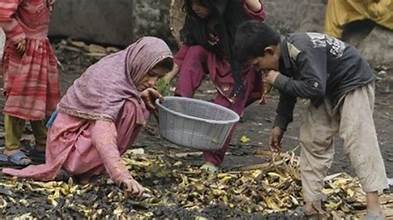
by Balochistan—Pakistan’s largest province by landmass yet the least populated—has once again emerged at the center of discussions on poverty, development, and structural inequality. A recent study has revealed a staggering reality: 17 out of Pakistan’s 20 poorest districts are located in Balochistan. This revelation not only underscores the deep-rooted socioeconomic challenges the province faces but also highlights the persistent disparity between Balochistan and other regions of the country.
While poverty remains a nationwide concern, Balochistan’s situation stands out due to decades of political neglect, inadequate development spending, minimal industrial infrastructure, and limited access to essential services such as education, healthcare, and clean water. Understanding why Balochistan continues to lag—and what can be done to reverse this trajectory—is crucial for Pakistan’s overall progress.
Understanding the Report: What the Findings Show
The newly published study assessed poverty levels across Pakistan’s districts based on metrics such as income, education, access to healthcare, employment opportunities, and availability of basic utilities. The conclusion was stark and alarming: Balochistan dominates the list of the most underdeveloped and impoverished areas in the country.
The districts identified in the report include:
- Awaran
- Ziarat
- Sherani
- Musa Khel
- Dera Bugti
- Kohlu
- Kharan
- Chagai
- Washuk
- Kech
- Panjgur
- Jhal Magsi
- Barkhan
- Nushki
- Loralai
- Zhob
- Kalat
These districts are characterized by minimal infrastructure, limited educational facilities, high unemployment rates, and a severe lack of healthcare services.
What makes this finding even more significant is that Balochistan contributes heavily to Pakistan’s natural resources—particularly natural gas, minerals, and strategic trade routes—yet remains at the lowest rung in terms of social and economic development.
Historical Context: How Balochistan Was Left Behind
To understand the chronic poverty in the province, it is essential to look deeper into the historical and political backdrop. Balochistan has long suffered from:
1. Uneven Development
Development efforts since independence have not been equal across Pakistan. Provinces like Punjab and Sindh received more infrastructural attention and economic investment, while Balochistan—due to its sparse population and remote geography—was often sidelined.
2. Political Instability
Decades of political unrest, insurgencies, and mistrust between provincial representatives and the federal government have hindered long-term developmental planning. As a result, many projects either never materialized or were stopped halfway.
3. Security Concerns
Frequent disturbances and security operations in certain regions of the province have discouraged private investment and development activities, further pushing the local population into poverty.
4. Limited Representation
Balochistan’s small population gives it limited seats in the national parliament, reducing its political bargaining power and often leaving its development priorities under-addressed.
Socioeconomic Challenges Behind the Poverty
The study points to multiple interconnected factors contributing to the alarming poverty rates in Balochistan.
1. Education: A Sector in Crisis
Balochistan ranks at the bottom of nearly all national indicators for education. Issues include:
- Poor school infrastructure
- Lack of trained teachers
- High dropout rates
- Limited access to secondary and higher education
- Schools without basic facilities like electricity and clean drinking water
In many districts, schools are located hours away from villages, making access nearly impossible for children—especially girls.
A population without education cannot escape generational poverty. This becomes an endless cycle that continues to hold the region back.
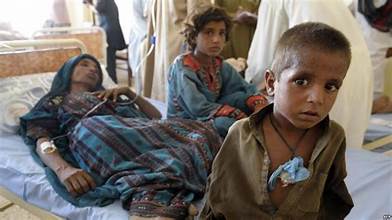
2. Healthcare: Long Distances, Limited Services
Healthcare access is another major barrier. Large areas of Balochistan lack hospitals, maternity centers, and even basic clinics. Many districts have only a single major hospital, with insufficient doctors and outdated equipment.
Pregnant women often travel hundreds of kilometers for safe delivery. Infant mortality rates are significantly higher in Balochistan compared to the rest of the country.
Without access to healthcare, productivity declines, mortality increases, and families remain stuck in financial hardship.
3. Employment and Economic Opportunities
Employment options in most districts are limited to:
- Agriculture
- Livestock
- Small-scale trade
Given the harsh climate, water scarcity, and limited arable land, agriculture cannot sustain most families.
Major industries and businesses rarely invest in Balochistan due to high transportation costs, security concerns, and the lack of skilled labor. As a result, youth unemployment remains dangerously high.
4. Lack of Infrastructure
Balochistan’s infrastructure challenges include:
- Poor road networks
- Limited electricity coverage
- Insufficient water supply
- Incomplete or unmaintained government projects
Many communities still rely on wells and rainwater for drinking purposes. Poor infrastructure discourages private investment, limits access to markets, and reduces overall quality of life.
5. Natural Resource Mismanagement
Although Balochistan is rich in natural gas, coal, copper, gold, and other minerals, the local population receives minimal benefit. Most resource extraction is managed by federal authorities or private companies without adequate reinvestment into the region.
This imbalance creates frustration among locals, who see their province fueling the national economy while their own districts remain impoverished.
The Human Cost: How Poverty Shapes Everyday Life
The consequences of poverty in Balochistan are not just economic—they are deeply human.
Malnutrition and Food Insecurity
Many households struggle to afford nutritious meals. Children often suffer from stunted growth due to chronic malnutrition.
Limited Access to Clean Water
In many areas, women and children walk miles carrying water containers. Scarcity of water impacts health, agriculture, and overall livelihood.
Migration and Displacement
Due to lack of opportunities, families often migrate to Karachi, Quetta, or other cities in search of work. This leads to overcrowded urban settlements and social fragmentation.
Psychosocial Impact
Hopelessness, frustration, and lack of opportunities affect mental health, especially among youth who feel disconnected from national progress.
How Inequality Between Provinces Impacts National Progress
When such a large portion of Pakistan remains underdeveloped, it affects the entire nation’s:
- GDP growth
- Human development indicators
- Education literacy levels
- Industrial expansion
- International competitiveness
No country can progress while leaving a major region behind. Balanced development is essential for long-term stability and sustainable economic growth.
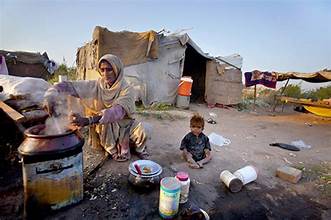
Government Efforts: Are Things Improving?
Over the past decade, both the federal and provincial governments have launched initiatives aimed at uplifting Balochistan. These include:
1. Development Packages
Several multi-billion-rupee packages focused on road networks, education infrastructure, and healthcare facilities have been announced.
2. CPEC Projects
The China-Pakistan Economic Corridor has the potential to transform Balochistan by:
- Improving road connectivity
- Enhancing trade routes
- Creating new employment opportunities
However, the benefits are yet to fully trickle down to local communities.
3. Social Safety Programs
Government welfare schemes like Ehsaas (and similar initiatives) aim to provide financial support to low-income households.
4. Local Government Empowerment
Efforts to strengthen local governance structures could help ensure that development decisions reflect community needs.
Despite these initiatives, progress has been slow, inconsistent, and insufficient to overcome decades of neglect.
What Needs to Be Done: A Roadmap for Balochistan’s Future
To effectively address poverty, a comprehensive and long-term strategy is required. Here are key areas that must be prioritized:
1. Education Transformation
- Build more schools in remote areas
- Train and incentivize teachers to work in underserved districts
- Provide transport facilities for students
- Upgrade existing educational infrastructure
- Invest in technical and vocational training programs
A skilled and educated population can attract industries and break the cycle of poverty.
2. Healthcare Reform
- Establish well-equipped district hospitals
- Train more medical professionals from within Balochistan
- Improve emergency response systems
- Offer mobile clinics for remote areas
- Ensure access to maternity and child healthcare services
Good health is the foundation of economic and social development.
3. Investment in Infrastructure
- Build motorways and highways connecting major districts
- Strengthen water supply systems
- Expand electricity coverage, including solar energy solutions
- Improve digital connectivity to enable e-learning and e-commerce
Better infrastructure can attract investment and improve living standards.
4. Economic and Industrial Development
- Establish special economic zones
- Promote mineral processing industries within Balochistan
- Encourage agriculture research and water-efficient farming
- Support small businesses and entrepreneurs
- Provide micro-financing to rural households
Local job creation is essential to reduce poverty.
5. Empowering Local Communities
Local voices must be included in decision-making. Empowering district and village councils ensures that development reflects the needs of the people rather than top-down assumptions.
6. Fair Resource Sharing
The province must receive its fair share of revenue generated from natural resources. Transparent governance and reinvestment are key to sustainable development.
Conclusion: A Call for Immediate and Sustained Action
The finding that 17 of Pakistan’s 20 most impoverished districts are in Balochistan is not just a statistic—it is a wake-up call. It reflects decades of neglect and inequality that must be urgently addressed. The well-being of millions of people depends on meaningful action, sustained investment, and a commitment to equitable development.
Balochistan’s potential is enormous. From natural resources to strategic trade routes, the province has all the ingredients necessary to become a thriving economic hub. What it needs is consistent political will, better governance, and sincere efforts to uplift its people.
Pakistan cannot achieve its full potential without raising Balochistan out of poverty. Ensuring justice, equality, and opportunity for the people of this province is not just a policy question—it is a moral responsibility.