by
by Cryptocurrency has long existed in a gray regulatory zone in Pakistan—neither fully banned nor officially recognized. And yet, despite this ambiguity, crypto has quietly grown into one of the country’s most discussed and widely used digital assets. While many countries have embraced blockchain technology, Pakistan’s crypto journey has been far more complex. It has unfolded not in the bright spotlight of government policy, but in the shadows—driven by young investors, freelancers, digital traders, and a massive unbanked population searching for financial inclusion and new economic opportunities.
In this extensive analysis, we explore how crypto has risen rapidly in Pakistan, the forces pushing its adoption, the challenges slowing its progress, and the direction the industry seems poised to take.
A Growing Fascination With Digital Assets
Over the past decade, cryptocurrency has slowly transformed from a niche interest into a mainstream topic of discussion among Pakistanis. From bustling city cafés to remote villages, conversations about Bitcoin, Ethereum, and stable coins have become commonplace. While traditional financial institutions remain cautious, people—especially youth—are increasingly exploring crypto as:
- A store of value against inflation
- A method for earning online
- A tool for international payments
- An investment vehicle promising potentially high returns
- An alternative to the unstable rupee
In a country where economic uncertainty is a recurring theme, crypto has emerged as a symbol of financial empowerment and technological innovation.
The Economic Climate Fueling Crypto Adoption
The rise of cryptocurrency in Pakistan cannot be discussed without examining the local economic challenges that have shaped this trend.
1. Inflation and Currency Devaluation
The Pakistani rupee has experienced repeated depreciation. With inflation rising each year, citizens have sought new ways to preserve their purchasing power. Crypto, particularly Bitcoin and stablecoins like USDT, became attractive alternatives for storing value.
2. Limited Access to Formal Banking
Only a portion of the population has access to traditional banking services. Millions of Pakistanis operate completely outside the formal financial system. Crypto wallets—which require only a smartphone and internet access—offer a simple entry point to digital financial services.
3. High Youth Unemployment
With a significant proportion of the population under 30, unemployment remains a huge concern. Crypto trading, mining, and blockchain development offer alternative income streams that appeal to young Pakistanis eager to carve out career opportunities in new digital sectors.
4. Rise of Freelancing
Pakistan is among the top freelancing nations in the world. Many freelancers prefer being paid in crypto because:
- Payments are faster
- Fees are lower
- Banks often hold or block international transfers
- Exchange rates are more favorable
This trend has fueled a substantial demand for stablecoins like USDT.
Crypto in Pakistan: A Parallel Financial System
Despite the State Bank of Pakistan’s cautionary stance, a vibrant unofficial crypto ecosystem has developedhttps://propakistani.pk.This parallel financial structure includes peer-to-peer exchanges, OTC traders, social media groups, and privately run crypto education platforms.
Peer-to-Peer (P2P) Marketplaces
With restrictions on centralized exchanges, Pakistan’s crypto market thrives on P2P transactions. Platforms like Binance P2P and OKX P2P remain extremely popular because they allow users to buy and sell digital assets directly with other individuals.
Stablecoins: The Preferred Choice
While Bitcoin is well-known, stablecoins such as USDT and USDC dominate real-world usage. Their value stability and ease of exchange make them ideal for cross-border remittances and online earnings.
Local Cryptocurrency Communities
Thousands of Facebook groups, Telegram channels, and WhatsApp communities actively provide crypto trading advice, market updates, and investment opportunities—despite the lack of formal regulatory support.
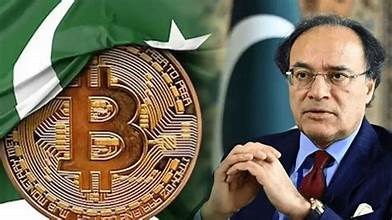
Why Crypto Grew ‘In the Shadows’
Pakistan has never officially banned cryptocurrency, but the government has often issued warnings about its risks. In 2018, the State Bank discouraged banks from engaging in crypto-related activity, creating an unclear environment that pushed crypto adoption underground. Instead of halting growth, this ambiguity led to:
1. Informal Trading Networks
People turned to unofficial channels—local traders, brokers, and OTC platforms. This significantly decentralized the market and made it harder to regulate.
2. Increased Use of Foreign Platforms
Most Pakistani traders rely on global platforms headquartered outside the country. This creates privacy and security challenges and also sends potential revenue abroad.
3. Lack of Regulatory Clarity
Without proper crypto laws, legitimate businesses are unable to operate formally. Pakistan is losing opportunities in:
- Blockchain innovation
- Cryptocurrency taxation
- Institutional investment
- Fintech development
Despite these obstacles, public interest continues to surge.
Crypto and the Pakistani Freelancer Economy
Pakistan’s freelance sector has ballooned in recent years. Web developers, designers, digital marketers, and content creators increasingly prefer crypto payments because traditional banking channels are slow, expensive, and unpredictable. Freelancers frequently mention:
- Delayed PayPal alternatives
- High conversion fees
- Unstable exchange rates
- Occasional transaction blocks
Crypto solves these issues. For many, it has become the backbone of cross-border work.
Remittances: A Major Driver of Adoption
Millions of Pakistanis work abroad and send remittances home. Traditional remittance channels charge fees, take time, and often offer poor exchange rates.
Crypto remittances have introduced a faster, cheaper, and more transparent alternative.
- Families can receive funds within minutes
- Remittance fees are significantly lower
- Recipients can instantly convert crypto to local currency via P2P channels
This shift highlights the potential of crypto to revolutionize international money transfers in Pakistan.
The Role of Social Media and Digital Culture
The rise of TikTok, YouTube influencers, and digital educators has played a significant role in popularizing crypto. Content creators produce tutorials, market analysis, and success stories that captivate aspiring investors.
- YouTube channels explain blockchain basics
- Telegram groups share real-time trading signals
- TikTok influencers highlight investment strategies
- Facebook groups provide P2P trading tips
This digital-driven culture has created a grassroots movement, making crypto a topic of everyday conversation.
Regulation: The Biggest Missing Piece
No discussion on Pakistan’s crypto landscape is complete without addressing the regulatory vacuum. The government has expressed concerns over:
- Money laundering
- Tax evasion
- Terror financing risks
- Investor protection
While these concerns are valid, the absence of clear regulations has only pushed the sector further underground. Instead of eliminating risks, this has boosted the very problems the government aims to control.
Countries like UAE, Singapore, and Turkey have adopted regulation-first approaches, generating billions from crypto taxation, exchange licensing, and blockchain start-ups. Pakistan, meanwhile, has yet to unlock this potential.
The Future of Crypto Regulation in Pakistan
Although progress is slow, several indicators suggest that regulation is becoming inevitable:
1. FATF Compliance Requirements
Pakistan’s commitments to global financial standards encourage greater transparency in digital finance.
2. Increasing Crypto Usage
With millions already involved in trading and transactions, banning crypto completely is nearly impossible.
3. Rising Investment in Blockchain Education
Universities, tech incubators, and private organizations are offering blockchain courses, signaling formal interest.
4. Government-Led Digital Transformation Initiatives
Pakistan is moving toward digital payments, e-governance, and fintech innovation. Crypto fits into this broader digital evolution.
Regulation may not be just a possibility—it may soon become a necessity.
Opportunities That Crypto Can Unlock for Pakistan
If properly regulated, cryptocurrency and blockchain technology could open the door to numerous economic opportunities:
1. Job Creation
Crypto trading, blockchain development, mining, and fintech innovation can generate thousands of skilled jobs.
2. Increased Foreign Investment
Global crypto companies may enter Pakistan once legal clarity is established.
3. Enhanced Tax Revenue
Taxing crypto gains could contribute significantly to national revenue.
4. Boost to IT and Startup Ecosystem
Blockchain-based solutions can help strengthen Pakistan’s rapidly growing tech sector.
5. Financial Inclusion
Millions of unbanked citizens could gain access to secure digital financial tools.

Challenges That Must Be Addressed
Despite the potential, Pakistan must tackle several challenges before embracing crypto fully:
- Regulatory ambiguity
- Risks of scams and fraudulent schemes
- Lack of investor education
- Volatility of crypto markets
- Concerns over illegal financial activities
- Dependence on foreign trading platforms
A well-structured regulatory framework could mitigate most of these issues.
Crypto Scams: A Growing Concern
Wherever money flows in unregulated spaces, scams follow. Pakistan has seen a rise in fraudulent crypto Ponzi schemes, fake mining platforms, and misleading trading groups.
Popular scams include:
- Unrealistic returns on investment
- Fake cloud mining services
- Rug-pull tokens
- Pyramid schemes disguised as crypto projects
This highlights the urgent need for government oversight and public education.
Blockchain Innovation Is the Real Game-Changer
While cryptocurrencies dominate headlines, the real revolution lies in blockchain—the underlying technology. Pakistan can leverage blockchain to improve:
- Supply chain transparency
- Digital identity management
- Healthcare data security
- Academic credential verification
- Government record-keeping
- Voting systems
Several Pakistani start-ups are already exploring these possibilities, proving that blockchain’s potential extends far beyond trading.
A Youth-Driven Revolution
The driving force behind Pakistan’s crypto boom is its youth. Tech-savvy, digitally inclined, and eager for global integration, young Pakistanis have embraced crypto as:
- A learning opportunity
- A source of income
- A way to connect to global digital finance
- A tool to break free from traditional economic barriers
This youthful energy ensures that crypto’s rise will not fade anytime soon.
From the Shadows to the Mainstream
What began in the shadows is now inching closer to the mainstream. Crypto is no longer an obscure digital experiment—it is a rapidly expanding ecosystem reshaping how Pakistanis think about money, work, and opportunity.
Despite regulatory challenges, the movement continues to grow. Every passing year brings more users, more awareness, and more global interest in Pakistan’s vibrant crypto community.
The road ahead is uncertain but promising. Whether embraced or resisted, cryptocurrency has already left a permanent mark on Pakistan’s financial landscape.
Conclusion
Cryptocurrency in Pakistan is a story of innovation flourishing despite uncertainty. From freelancers to traders, from students to overseas workers, millions have turned to digital currencies as an alternative financial lifeline. While the government remains cautious, crypto has grown into a powerful parallel economy—one that cannot be ignored any longer.
Pakistan now stands at a crossroads. Proper regulation could transform the country into a regional crypto hub, unlocking billions in economic potential. On the other hand, continued ambiguity will keep innovation suppressed and push activity further underground.
But one thing is certain: crypto has risen rapidly from the shadows—and its influence is only getting stronger.