
 by
by Video In the age of rapidly advancing artificial intelligence, misinformation has taken on new and more sophisticated forms. One such example recently caused confusion and concern across social media platforms when a viral video falsely claimed that the Australian Prime Minister had announced a ban on visas for Pakistani citizens. The clip, which spread widely within hours, appeared authentic at first glance. However, it was later revealed to be AI-generated, commonly referred to as a deepfake.
The incident highlights the growing threat posed by manipulated digital content and underscores the urgent need for public awareness, media literacy, and responsible information sharing. As deepfake technology becomes more accessible, distinguishing fact from fiction has become increasingly difficult—especially when videos feature high-profile political leaders.
What the Viral Video Claimed
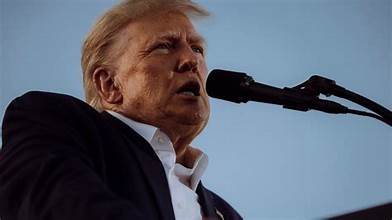
The video in question showed a person resembling the Australian Prime Minister allegedly announcing strict immigration measures, including a ban on visas for Pakistani nationals. The tone, facial expressions, and voice closely mimicked the real leader, making the clip convincing to many viewers.
As the video circulated, it sparked anxiety among Pakistani students, workers, and families with ties to Australia. Social media users began sharing the clip alongside emotional reactions, speculation, and unverified claims, further amplifying its reach.
Despite the widespread circulation, no official policy change or announcement supported the claims made in the video.
Understanding Deepfake Technology
Deepfakes are synthetic media created using artificial intelligence techniques, particularly deep learning. These technologies can generate realistic images, audio, and video that convincingly imitate real people.
By analyzing large datasets of a person’s facial movements and voice patterns, AI models can produce content that appears authentic—even to trained eyes. While deepfake technology has legitimate uses in entertainment, education, and accessibility, its misuse poses serious ethical and societal risks.
The viral video involving the Australian Prime Minister is a clear example of how deepfakes can be weaponized to spread false information.
Why the Video Seemed Believable
Several factors contributed to the video’s credibility:
- High-quality visual rendering
- Accurate lip-syncing with spoken words
- Voice modulation closely resembling the real speaker
- Formal setting resembling an official address
These elements combined to create a powerful illusion of authenticity. For many viewers, especially those encountering the clip on fast-moving social media feeds, there was little reason to question its legitimacy.https://arynews.tv/cm-punjab-green-tractor-scheme-deadline-for-waiting-list-applicants-set-for-dec-22
This incident demonstrates how easily deepfakes can exploit public trust in visual media.
Immediate Public Reaction
The reaction to the video was swift and emotional. Many Pakistani citizens expressed fear and frustration, particularly students awaiting visa decisions or professionals planning to travel to Australia. Rumors spread rapidly, with some users claiming the decision was politically motivated or linked to immigration pressures.
The emotional response was amplified by the sensitive nature of immigration policies, which directly affect livelihoods, education, and family unity. In such contexts, misinformation can cause real psychological distress—even if later proven false.
Official Clarifications and Reality
Following the spread of the video, it became clear that no such announcement had been made by the Australian Prime Minister or the Australian government. Immigration policies remained unchanged, and the video was identified as AI-generated content with no basis in reality.
The clarification helped calm concerns, but the damage caused by the initial misinformation highlighted how quickly false narratives can take hold in the digital age.
Impact on Pakistani Students and Migrants
Pakistani students and migrants are among the most vulnerable groups when immigration-related misinformation spreads. Australia is a popular destination for higher education, skilled migration, and family reunification.
The fake video triggered uncertainty among visa applicants, some of whom feared delays, rejections, or sudden policy shifts. Even temporary panic can disrupt planning, financial arrangements, and emotional well-being.
This incident underscores the need for accurate information and timely clarification when false claims emerge.
The Broader Threat of Political Deepfakes
While this particular deepfake focused on immigration, the broader implications are far more serious. Political deepfakes have the potential to:
- Undermine trust in democratic institutions
- Manipulate public opinion
- Influence elections and policy debates
- Damage diplomatic relations between countries
As deepfake technology becomes more advanced, the risk of large-scale misinformation campaigns increases. Governments, media organizations, and technology platforms face growing pressure to address this challenge.
Role of Social Media in Amplifying Misinformation
Social media platforms play a central role in the spread of deepfake content. Algorithms often prioritize engagement, allowing sensational or emotionally charged content to reach large audiences quickly.
In this case, the video’s provocative claim helped it gain traction, with users sharing it without verification. Once misinformation reaches critical mass, correcting it becomes significantly harder.
This dynamic highlights the responsibility of both platforms and users in preventing the spread of false content.
Importance of Media Literacy
The deepfake incident serves as a reminder of the importance of media literacy in today’s digital environment. Viewers must learn to approach online content with skepticism, especially when it involves major political or policy announcements.
Key media literacy practices include:
- Checking official sources before believing claims
- Being cautious of sensational headlines
- Avoiding immediate sharing of unverified content
- Recognizing signs of manipulated media
Improving public awareness can significantly reduce the impact of deepfake misinformation.
Technological Countermeasures Against Deepfakes
Technology companies and researchers are developing tools to detect AI-generated content. These include digital watermarks, forensic analysis, and AI-based detection systems.
However, the race between deepfake creators and detection tools is ongoing. As generation methods improve, detection becomes more challenging. This makes a combined approach—technology, regulation, and education—essential.
Legal and Ethical Considerations
The misuse of deepfake technology raises complex legal and ethical questions. Issues such as accountability, freedom of expression, and digital rights must be carefully balanced.
Many experts argue for clearer laws addressing malicious deepfake creation, particularly when it involves impersonation, defamation, or public harm. Ethical guidelines for AI development are also increasingly seen as necessary to prevent misuse.
Diplomatic Sensitivities and International Relations
False claims involving heads of government can strain diplomatic relations. Even temporary misinformation can create misunderstandings between countries or communities.
In this case, the deepfake risked damaging perceptions about Australia’s immigration stance and its relationship with Pakistani citizens. Responsible communication is essential to prevent such fallout.

Lessons for the Public and Media
The incident offers several key lessons:
- Not everything that looks real is real
- Visual evidence is no longer foolproof
- Speed should not override accuracy
- Verification is essential before sharing
Media organizations also bear responsibility for fact-checking viral content before reporting or amplifying it.
The Psychological Impact of Digital Deception
Beyond policy confusion, deepfake misinformation can cause stress, fear, and mistrust. When people can no longer rely on what they see and hear, confidence in information ecosystems erodes.
This psychological impact is one of the most concerning aspects of deepfake technology, as it affects social cohesion and trust.
Preparing for a Deepfake-Driven Future
As AI-generated media becomes more common, societies must adapt. This includes updating educational curricula, strengthening digital regulations, and fostering a culture of critical thinking.
Governments, technology companies, educators, and citizens all have a role to play in mitigating the risks associated with deepfakes.
Conclusion
The viral deepfake video falsely claiming that the Australian Prime Minister banned visas for Pakistanis is a powerful example of how artificial intelligence can be misused to mislead the public. While the claim was ultimately debunked, the incident exposed vulnerabilities in how information is consumed and shared.
In an era where seeing is no longer believing, vigilance is essential. Strengthening media literacy, improving detection technologies, and promoting responsible digital behavior are critical steps toward protecting public trust.
As deepfake technology continues to evolve, the ability to distinguish truth from fabrication will become one of the most important skills of the modern age.