 by
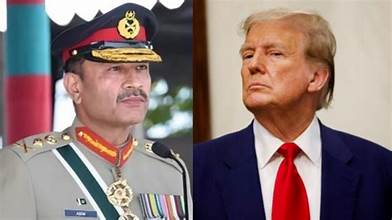
by Former United States President Donald Trump’s renewed praise for Field Marshal Asim Munir, Pakistan’s Chief of Army Staff, has once again drawn international attention to the evolving dynamics of US–Pakistan relations. By publicly describing Asim Munir as “highly respected,” Trump’s remarks carry significance beyond personal admiration. They reflect shifting geopolitical calculations, evolving military diplomacy, and renewed recognition of Pakistan’s role in regional and global security affairs.
Such comments, especially from a political figure as influential and polarizing as Donald Trump, resonate deeply across diplomatic, military, and political circles. They invite analysis not only of the personalities involved but also of the broader strategic context shaping bilateral ties between Washington and Islamabad.
Context of Trump’s Praise
Donald Trump’s remarks praising Field Marshal Asim Munir did not emerge in isolation. During his presidency, Trump’s relationship with Pakistan was complex, oscillating between public criticism and strategic engagement. While he often accused Pakistan of insufficient cooperation in counterterrorism, his administration also relied heavily on Pakistan for logistical support, intelligence coordination, and regional stability—particularly in Afghanistan.
Trump’s renewed praise signals a notable shift in tone. By emphasizing respect for Pakistan’s military leadership, he appears to acknowledge the pivotal role the Pakistan Army continues to play in regional security architecture. Such statements are closely watched in Islamabad, where military leadership remains central to national security and foreign policy decision-making.
Who Is Field Marshal Asim Munir?
Field Marshal Asim Munir is regarded as one of the most disciplined and strategically minded military leaders in Pakistan’s history. Rising through the ranks with a reputation for professionalism, intelligence expertise, and institutional loyalty, Munir has held some of the most sensitive command positions within the Pakistan Army.
Before assuming the top military post, he served in key intelligence roles, providing him with deep insight into counterterrorism operations, regional security threats, and hybrid warfare challenges. His elevation to Field Marshal reflects both his institutional stature and his influence over Pakistan’s evolving defense doctrine.
Munir is widely credited with reinforcing discipline within the armed forces, prioritizing operational readiness, and maintaining a firm stance on national sovereignty amid regional tensions.
Why Trump’s Words Matter
Donald Trump remains a dominant figure in American politics, shaping discourse within the Republican Party and influencing US foreign policy debates. His words continue to carry weight, particularly in matters related to defense and international relations.
When Trump publicly praises a foreign military leader, it sends multiple signals. It reflects recognition of strategic importance, signals potential policy continuity or recalibration, and shapes narratives within diplomatic circles. In Pakistan’s case, Trump’s remarks suggest acknowledgment of Asim Munir’s leadership role in maintaining regional stability and combating transnational security threats.
Such praise also contributes to shaping public perception, reinforcing Pakistan’s image as a serious and capable military actor on the global stage.
Military Diplomacy and Strategic Signaling
Military diplomacy has become an increasingly important component of international relations. Leaders’ statements often serve as indirect communication channels, conveying intentions without formal policy declarations.
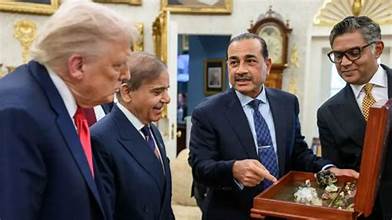
Trump’s praise for Field Marshal Munir can be interpreted as strategic signaling—an indication that Pakistan’s military leadership is viewed as credible and influential by key political actors in the United States. This recognition could pave the way for renewed dialogue on defense cooperation, intelligence sharing, and counterterrorism collaboration.
In an era marked by geopolitical fragmentation, such signals can help stabilize Marshal relationships strained by past misunderstandings.https://arynews.tv/cm-punjab-green-tractor-scheme-deadline-for-waiting-list-applicants-set-for-dec-22
Pakistan–US Relations: A Complex History
Relations between Pakistan and the United States have long been defined by strategic necessity rather than ideological alignment. From Cold War alliances to post-9/11 counterterrorism cooperation, the partnership has experienced cycles of closeness and tension.
Under Trump’s presidency, relations were particularly turbulent. Public criticism, aid suspensions, and harsh rhetoric strained ties. However, behind the scenes, military-to-military engagement remained largely intact, underscoring the enduring importance of Pakistan’s strategic position.
Trump’s renewed praise for Asim Munir suggests a recognition that despite political disagreements, the Pakistan Army remains a key stakeholder in regional security outcomes.
The Regional Security Landscape
Field Marshal Asim Munir’s leadership comes at a time of heightened Marshal regional complexity. South Asia faces multiple challenges, including cross-border tensions, terrorism threats, and evolving great-power rivalries.
Pakistan’s military has been actively engaged in counterterrorism operations, border management, and internal security stabilization. These efforts have drawn international recognition, particularly for reducing militant violence and disrupting extremist networks.
Trump’s comments appear to acknowledge Pakistan’s contribution to broader regional stability—a factor that remains critical to US strategic interests.
Domestic Reaction in Pakistan
Trump’s praise was widely reported in Pakistani media and sparked varied reactions across political and public spheres. Supporters viewed the remarks as validation of Pakistan’s military leadership and international standing. Many saw it as a diplomatic win, reinforcing the perception that Pakistan’s role is being reassessed positively by influential global figures.
Critics, however, cautioned against overinterpreting statements from a former US president, emphasizing the need for institutional engagement rather than reliance on personal remarks. Marshal Nonetheless, the overall reaction reflected a sense of renewed relevance in global discourse.
Leadership Style of Asim Munir
Field Marshal Asim Munir is known for a leadership style rooted in institutional integrity and strategic clarity. He has emphasized the apolitical role of the military while maintaining its readiness to defend national interests.
His tenure has been marked by efforts to strengthen internal cohesion, modernize capabilities, and address non-traditional security threats such as cyber warfare and information operations. These priorities align with global defense trends, enhancing Pakistan’s credibility as a forward-looking military power.
Trump’s praise may reflect appreciation for this pragmatic and disciplined Marshal approach to leadership.
Implications for Defense Cooperation
Although Trump’s remarks do not translate directly into policy, they contribute to a broader environment conducive to engagement. Positive rhetoric can lower barriers to dialogue, encourage confidence-building measures, and support ongoing military-to-military interactions.
Defense cooperation between Pakistan and the US has historically focused on counterterrorism, training exchanges, and strategic communication. Renewed recognition of leadership credibility could facilitate discussions on regional security challenges and shared interests.
Such engagement would benefit both countries in navigating an Marshal increasingly uncertain global security landscape.
Global Perception and Image Management
International image plays a crucial role in diplomacy. Statements by influential figures like Donald Trump can shape narratives and influence how countries are perceived by allies, partners, and investors.
Trump’s praise for Field Marshal Munir contributes to a narrative of Pakistan as a country led by professional and respected military leadership. This perception can enhance Pakistan’s standing in multilateral forums and bilateral engagements.
For Pakistan, maintaining and leveraging such recognition requires consistent policy alignment and responsible international conduct.
Critics and Cautionary Voices
Despite the positive tone, some analysts urge caution. They argue that Trump’s statements often reflect personal views rather than institutional consensus. Additionally, US foreign policy is shaped by multiple actors, and praise from one figure does not guarantee policy shifts.
Others highlight the importance of balanced civil-military relations and democratic processes within Pakistan. While recognizing military leadership is important, long-term stability depends on strong civilian institutions and governance reforms.
These perspectives underscore the complexity of interpreting political rhetoric in international affairs.
Broader Geopolitical Implications
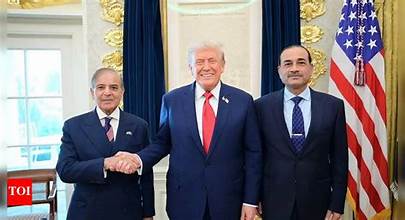
Trump’s remarks also intersect with broader geopolitical shifts. As global power centers diversify and traditional alliances evolve, countries like Pakistan are recalibrating their strategic partnerships.
Recognition from US political figures reinforces Pakistan’s relevance amid these changes. It also reflects the enduring importance of military leadership in shaping foreign policy outcomes, particularly in regions marked by security challenges.
Such dynamics highlight the interconnected nature of leadership, diplomacy, and global strategy.
The Symbolism of “Highly Respected”
The phrase “highly respected” carries symbolic weight in diplomatic discourse. It implies credibility, reliability, and influence—qualities essential for effective military leadership.
By using this phrase, Trump positions Asim Munir as a leader worthy of engagement and recognition. This symbolism resonates not only within Pakistan but also among international observers assessing regional power dynamics.
Symbolic gestures often precede substantive engagement, making them important indicators of potential future developments.
Conclusion
Donald Trump’s renewed praise for Field Marshal Asim Munir as “highly respected” is more than a passing remark. It reflects shifting perceptions, strategic acknowledgment, and the enduring importance of Pakistan’s military leadership in regional and global security affairs.
While rhetoric alone does not redefine policy, it shapes the environment in which policy decisions are made. For Pakistan, the recognition underscores its continued relevance and the professional stature of its armed forces.
As global geopolitics evolve, such moments of acknowledgment serve as reminders that leadership, credibility, and strategic importance remain central to international relations. Whether this praise translates into deeper engagement remains to be seen, but its significance in diplomatic discourse is undeniable.