by
by Tensions between the United States and Venezuela escalated dramatically as reports emerged of US military strikes targeting key locations inside Venezuelan territory. The developments marked a significant turning point in the long-running standoff between Washington and Caracas, drawing global attention and raising urgent questions about regional stability, international law, and the broader geopolitical implications.
As events unfolded rapidly, governments, markets, and international organizations scrambled to assess the situation. While details continued to emerge in real time, the strikes immediately signaled a new and volatile phase in US–Venezuela relations—one with potentially far-reaching consequences for Latin America and beyond.
Background to the Escalation
The relationship between the United States and Venezuela has been strained for more than two decades. Political disagreements, economic sanctions, disputed elections, and accusations of human rights violations have shaped a hostile dynamic that has resisted diplomatic resolution.
Washington has long accused the Venezuelan government of undermining democratic institutions, suppressing political opposition, and engaging in corruption and illicit activities. Caracas, in turn, has portrayed US actions as imperial interference, blaming sanctions and external pressure for the country’s economic hardships.
Despite intermittent attempts at dialogue, mutual distrust remained entrenched. The reported strikes came against this backdrop of prolonged confrontation, suggesting a breakdown of remaining diplomatic restraint.
Initial Reports of US Military Action
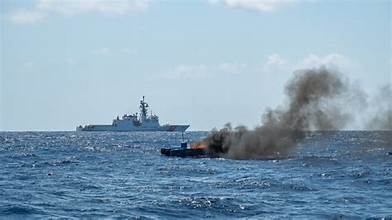
Early reports indicated that US forces conducted targeted strikes against what were described as strategic or security-related sites. While official confirmation was initially limited, multiple sources suggested that the operations were carefully calibrated rather than broad-based assaults.
The Pentagon stated that the strikes were aimed at specific objectives and were designed to minimize civilian harm. Officials emphasized that the actions were defensive and intended to address what Washington described as direct threats to regional security or US interests.
Venezuelan authorities, however, strongly condemned the strikes, labeling them an act of aggression and a violation of national sovereignty.
Venezuelan Government Response
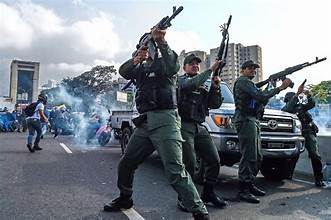
The Venezuelan government responded swiftly, convening emergency meetings and addressing the nation through state media. Senior officials accused the United States of waging economic and military warfare against the country and vowed to defend national sovereignty.
The military was reportedly placed on high alert, with increased security measures implemented around critical infrastructure. Airspace restrictions and heightened patrols were announced as precautionary steps.
President and senior government figures called on international allies and organizations to condemn the strikes, framing the incident as a dangerous escalation that could destabilize the entire region.
Regional and Global Reactions
Reactions from across Latin America were swift and mixed. Some governments expressed deep concern over the use of force, urging restraint and a return to dialogue. Others called for respect for international law and warned against actions that could trigger wider conflict.
Major global powers closely monitored developments, with several urging de-escalation and diplomatic engagement. Emergency consultations were reportedly requested within international forums as diplomats sought clarity on the scope and intent of the US actions.
The strikes also reignited debates about the legality of unilateral military actions and the role of international institutions in preventing conflict.
Impact on Regional Stability
Latin America has largely avoided interstate military conflicts in recent decades, making the reported strikes particularly alarming. Analysts warned that military action against Venezuela could have ripple effects across neighboring countries, including refugee flows, economic disruption, and heightened political tensions.
Venezuela shares borders with multiple nations already grappling with security and economic challenges. Any prolonged instability could strain regional resources and complicate diplomatic relations.
There were also concerns that armed non-state actors operating near border regions could exploit the situation, further undermining security.
Economic and Market Repercussions
Global markets reacted cautiously to the unfolding situation. Oil prices saw immediate volatility, reflecting concerns over potential disruptions to energy supplies from one of the world’s largest proven oil reserves.https://arynews.tv/cm-punjab-green-tractor-scheme-deadline-for-waiting-list-applicants-set-for-dec-22
Venezuela’s economy, already weakened by years of sanctions and mismanagement, faced renewed uncertainty. The possibility of further restrictions or expanded military engagement raised fears of additional economic hardship for the civilian population.
Investors across emerging markets closely watched developments, wary of broader geopolitical instability that could affect trade flows and capital movement.
Humanitarian Concerns
Humanitarian organizations expressed alarm over the potential impact on civilians. Venezuela has been experiencing a prolonged humanitarian crisis, marked by shortages of food, medicine, and basic services.
Any military escalation risks worsening these conditions, particularly if infrastructure is damaged or supply chains are disrupted. Aid groups called for the protection of civilians and humanitarian corridors, emphasizing that ordinary people should not bear the brunt of geopolitical conflicts.
The strikes also raised concerns about displacement, as fear and uncertainty could prompt further migration both within Venezuela and across its borders.
Legal and International Law Debate
The reported US strikes sparked immediate debate among legal experts regarding their compliance with international law. Questions were raised about the justification for the use of force, the existence of an imminent threat, and the role of international authorization.
Supporters of the US position argued that the strikes were lawful and necessary to counter security threats. Critics countered that unilateral military action undermines the international rules-based order and sets a dangerous precedent.
The legal debate was expected to intensify as more details emerged and as international bodies weighed potential responses.
Information War and Media Landscape
Alongside military developments, an intense information battle unfolded. Competing narratives emerged from Washington and Caracas, each seeking to shape domestic and international opinion.
Social media platforms were flooded with unverified claims, videos, and commentary, making it difficult to separate fact from misinformation. Journalists faced challenges reporting accurately amid limited access and rapidly changing conditions.
The situation highlighted the growing role of information warfare in modern conflicts, where perception and narrative can be as influential as military action.
Domestic Political Implications in the US
The strikes also carried significant political implications within the United States. Lawmakers across party lines demanded briefings and clarity on the objectives, legal basis, and potential consequences of the action.
Supporters framed the strikes as a demonstration of resolve and leadership, while critics questioned the risk of entanglement in another foreign conflict. Public opinion appeared divided, reflecting broader debates about the role of military force in US foreign policy.
The administration emphasized that it remained open to diplomatic solutions but insisted that national security considerations necessitated decisive action.
Venezuela’s Allies and Strategic Calculations
Venezuela’s international allies closely watched developments, assessing how to respond. Some issued statements condemning the strikes and reaffirming support for Venezuela’s sovereignty.
Analysts noted that the response of these allies could shape the trajectory of the crisis. Diplomatic backing, economic assistance, or strategic cooperation could alter the balance of pressure on Caracas and Washington alike.
The situation underscored how Venezuela’s crisis has become intertwined with broader global rivalries and strategic interests.
Risk of Escalation
One of the greatest concerns surrounding the strikes was the risk of escalation. Even limited military actions can spiral into broader confrontations if miscalculations occur.
Experts warned that retaliatory measures, accidental engagements, or misinterpretations could quickly worsen the situation. Calls for communication channels and crisis management mechanisms grew louder as the hours passed.
History offers numerous examples of conflicts that escalated unexpectedly, reinforcing the urgency of de-escalation efforts.
Diplomatic Efforts and Calls for Dialogue
Amid the tension, renewed calls for diplomacy emerged from various quarters. Regional organizations, neutral states, and international mediators urged both sides to step back from confrontation and pursue dialogue.
There were suggestions of reviving stalled negotiation frameworks or appointing special envoys to facilitate communication. While prospects for immediate talks appeared uncertain, many viewed diplomacy as the only viable path to lasting stability.
The strikes, paradoxically, may have underscored the urgency of addressing underlying issues that diplomacy alone has so far failed to resolve.
Public Reaction Inside Venezuela
Within Venezuela, public reaction was mixed and shaped by years of political polarization. Some citizens rallied around the government, viewing the strikes as an external attack on national dignity.
Others expressed fear and frustration, worried that military confrontation would worsen an already dire economic situation. The uncertainty fueled anxiety, with many families concerned about safety, access to essentials, and the future.
The strikes added another layer of stress to a population already enduring prolonged hardship.
What Comes Next
As the situation continued to develop, key questions remained unanswered. Would the strikes remain limited, or mark the beginning of a broader campaign? Would diplomatic channels reopen, or harden further? How would regional and global actors influence the outcome?
Much depended on decisions taken in the immediate aftermath. Signals from both Washington and Caracas suggested a desire to control escalation, but trust remained scarce.
The coming days were expected to be critical in determining whether the crisis would deepen or gradually de-escalate.
Conclusion
The reported US strikes on Venezuela marked a dramatic and dangerous escalation in a long-standing confrontation. As live updates continued to reshape understanding of the situation, the stakes became increasingly clear—not just for the two countries involved, but for regional stability and the international order.
While military actions captured headlines, the underlying issues driving the conflict remained unresolved. The path forward will require careful diplomacy, restraint, and a renewed commitment to dialogue to prevent further suffering and instability.
In a world already grappling with multiple crises, the unfolding events in Venezuela served as a stark reminder of how quickly tensions can erupt—and how urgently they must be addressed.