 by
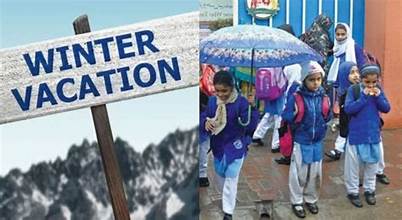
by The Punjab government’s decision to extend winter holidays for schools and colleges has brought a mix of relief, debate, and logistical challenges across the province. As temperatures continue to dip and dense fog disrupts daily life, the move reflects growing concerns over student safety, health risks, and transportation difficulties during peak winter conditions. While many parents, students, and educators have welcomed the announcement, it has also sparked discussions about academic continuity, learning losses, and the overall impact on the education calendar.
Punjab, Pakistan’s most populous province, has a vast education system that serves millions of students across public and private institutions. Any change in academic schedules affects not only classrooms but also households, teachers, transport operators, and examination boards. The extension of winter holidays is therefore not just a routine administrative decision—it is a policy move with wide-ranging social and educational implications.
Background: Why Winter Holidays Were Extended
Winter holidays are a regular feature of Punjab’s academic calendar, typically scheduled during the coldest weeks of December and early January. However, this year’s extension comes against the backdrop of unusually harsh winter conditions in several districts. Dense fog, cold waves, and reduced visibility have made early morning travel increasingly dangerous, particularly for younger students.
Health experts have also raised alarms over the rise in seasonal illnesses such as flu, respiratory infections, and pneumonia among children. Schools, especially overcrowded public institutions, often struggle to maintain adequate heating and ventilation during extreme cold. In such conditions, prolonged exposure can pose serious health risks.
Government officials cited these factors as primary reasons behind the decision. The extension aims to reduce exposure to cold weather during early school hours and minimize the risk of accidents caused by poor visibility on roads.
Scope of the Holiday Extension
The extended winter holidays apply to a wide range of educational institutions across Punjab, including government and private schools, colleges, and in some cases technical and vocational institutes. The duration of the extension varies depending on the institution type and location, but the overall objective remains consistent: ensuring student safety during adverse weather conditions.
Urban centers like Lahore, Rawalpindi, and Faisalabad, as well as rural districts in central and northern Punjab, have all been included in the decision. The province-wide approach underscores the government’s intent to adopt uniform safety measures rather than leaving decisions to individual institutions.
However, universities have generally been given more autonomy, with many shifting to online classes or adjusting academic schedules independently. This flexibility reflects the different needs and capabilities of higher education institutions compared to primary and secondary schools.
Reaction from Students: Relief and Celebration
For students, especially those in schools and colleges, the extension of winter holidays has largely been received with enthusiasm. After months of academic pressure, exams, and extracurricular commitments, the additional break offers much-needed rest.
Many students view the extension as an opportunity to recover from fatigue, spend time with family, and escape the daily struggle of commuting in cold and foggy conditions. For hostel-based students, the prolonged break allows them to stay home longer, reducing expenses and stress associated with travel.
However, not all students see the extension purely as a benefit. Senior students preparing for board exams and college assessments have expressed concern about syllabus completion and exam readiness. For them, the extra holidays mean self-discipline and independent study become even more critical.
Parents’ Perspective: Safety vs Academic Progress
Parents across Punjab have expressed mixed reactions to the decision. On one hand, many welcome the extension as a responsible step that prioritizes children’s health and safety. Parents of younger students, in particular, have long voiced concerns about early morning school timings during winter.
For families in fog-prone areas, the daily commute to school can be stressful and risky. The extension alleviates these worries, offering peace of mind during some of the coldest weeks of the year.
Punjab On the other hand, some parents are concerned about academic continuity. Working parents often rely on schools not only for education but also for structured routines and childcare. Extended holidays can disrupt daily schedules and place additional responsibilities on families.
There is also concern about screen time, as children tend to spend more hours on mobile phones and televisions during prolonged breaks, potentially affecting both physical and mental health.

Teachers and Administrators: Managing the Academic Impact
Educators face the challenging task of balancing safety concerns with academic requirements. Teachers acknowledge the necessity of the extension but remain cautious about its long-term effects on learning outcomes..https://propakistani.pk
Many Punjab schools are now revising lesson plans, compressing syllabi, or considering additional classes once institutions reopen. Teachers in exam-focused grades are particularly concerned about completing coursework on time without overwhelming students.
Administrators also face logistical challenges, such as rescheduling exams, adjusting attendance records, and coordinating with education boards. For private institutions, financial considerations add another layer of complexity, as extended closures can affect fee collection and operational planning.
Despite these challenges, many educators support the decision, emphasizing that student well-being must take precedence over rigid academic timelines.
Impact on Board Examinations and Academic Calendars
One of the most significant concerns surrounding the extended winter holidays is their potential impact on board examinations. Punjab’s education boards operate on tightly structured schedules, leaving little room for delays.
Officials have reassured students and parents that exam timetables will be adjusted if necessary, and that no student will be disadvantaged due to the extension. Possible measures include reducing non-essential syllabus components, increasing instructional hours after reopening, or slightly shifting exam dates.
Colleges and universities, which often operate on semester systems, may adopt blended learning approaches or revise assessment criteria to compensate for lost classroom time.
The situation highlights the need for flexible academic planning, especially in the face of climate-related disruptions that are becoming increasingly common.
Private vs Public Sector Differences
The impact of extended winter holidays differs significantly between public and private institutions. Public schools, which often lack adequate heating facilities, stand to benefit more from the closure, as they are less equipped to handle extreme cold.
Private schools, particularly elite institutions, may have better infrastructure and the ability to conduct online classes. Some private schools have opted to continue limited online instruction during the holidays, especially for senior grades.
This disparity has reignited discussions about educational inequality, with critics arguing that students from underprivileged backgrounds suffer the most from prolonged closures due to lack of access to digital learning resources.
Online Learning: A Partial Solution
In response to extended closures, online learning has once again emerged as a partial solution. Some schools and colleges have encouraged teachers to share assignments, recorded lectures, and study materials through digital platforms.
While online learning offers continuity, it also exposes deep-rooted challenges. Many students in rural and low-income areas lack reliable internet access or suitable devices, making online education inconsistent and sometimes ineffective.
Teachers also point out that virtual classes cannot fully replace in-person instruction, particularly for younger students who require hands-on guidance and interaction.
Despite these limitations, the experience has pushed institutions to explore hybrid learning models that could prove useful in future emergencies.
Weather Patterns and Policy Planning
The extension of winter holidays also raises broader questions about climate preparedness and policy planning. Changing weather patterns have made winters harsher and less predictable in recent years, increasing the likelihood of school closures due to fog, cold waves, or smog.
Education experts argue that authorities need to proactively adjust academic calendars to account for these realities. Possible measures include starting winter vacations earlier, shortening summer breaks, or permanently shifting school timings during colder months.
Long-term planning could reduce the need for sudden announcements and minimize disruptions for students, parents, and educators alike.

Social and Economic Effects
Beyond education, extended winter holidays have social and economic implications. School transport services, canteens, and small businesses that operate around educational institutions often face financial losses during prolonged closures.
At the same time, families may experience increased household expenses as children stay home for longer periods. Conversely, some sectors, such as local tourism and retail, may see a temporary boost as families use the break for travel or leisure activities.
These ripple effects demonstrate how closely education is tied to broader economic and social systems.
Government’s Responsibility and Public Expectations
The Punjab government’s decision reflects a growing expectation that authorities prioritize citizen welfare, particularly when it comes to children. Public response suggests that safety-driven decisions are generally well-received, even if they cause short-term inconvenience.
However, transparency and timely communication remain crucial. Parents and institutions rely on clear guidelines to plan ahead, and sudden changes can lead to confusion and frustration.
Experts stress the importance of involving educators, health professionals, and meteorologists in decision-making processes to ensure balanced and informed policies.
Conclusion: A Necessary but Complex Decision
The extension of winter holidays for schools and colleges in Punjab is a reminder that education does not operate in isolation from environmental and social realities. While the decision prioritizes student safety and health, it also underscores the need for adaptive academic planning in an era of climate uncertainty.
For students, the break offers relief and rest. For parents, it brings reassurance mixed with practical challenges. For educators and policymakers, it serves as a test of flexibility and foresight.
As Punjab navigates the remainder of the winter season, the focus must remain on minimizing learning losses while safeguarding the well-being of millions of students. The experience may well shape future education policies, encouraging a more resilient and responsive system that can withstand the challenges of an unpredictable climate.
Ultimately, the extended winter holidays highlight a simple yet powerful principle: when it comes to education, safety and well-being must always come first.