 by
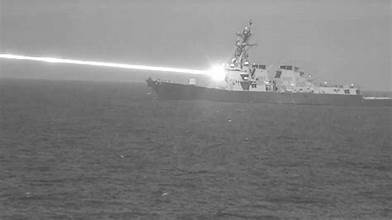
by The Pakistan Navy has successfully conducted a comprehensive demonstration of its combat readiness by testing the LY-80 surface-to-air missile system along with advanced unmanned systems in the Arabian Sea. The exercise highlights Pakistan’s growing emphasis on modern naval warfare, technological self-reliance, and maritime security amid evolving regional and global security dynamics.
The successful test sends a strong message about the Navy’s preparedness to defend Pakistan’s maritime borders, protect sea lines of communication, and counter both conventional and emerging threats. In an era where naval power increasingly depends on precision weapons, automation, and network-centric warfare, the exercise underscores Pakistan Navy’s commitment to maintaining a credible and modern deterrence posture.
Strategic Importance of the Arabian Sea
The Arabian Sea holds immense strategic significance for Pakistan. It serves as a vital maritime corridor for international trade, energy imports, and regional connectivity. Major ports such as Karachi, Port Qasim, and Gwadar rely heavily on secure sea routes to sustain economic activity and national development.
Any disruption in maritime security could have severe consequences for Pakistan’s economy and regional stability. Recognizing this reality, the Pakistan Navy places high priority on maintaining operational readiness in the Arabian Sea. Regular exercises, weapons testing, and integration of new technologies are essential components of this strategy.
The recent test of the LY-80 missile system and unmanned platforms demonstrates the Navy’s ability to operate effectively in complex maritime environments while safeguarding national interests.
Overview of the LY-80 Missile System
The LY-80 is a medium-range surface-to-air missile system designed to counter a variety of aerial threats, including fighter aircraft, helicopters, drones, and cruise missiles. Its deployment enhances layered air defense capabilities, providing naval units with increased protection against modern aerial attacks.
The missile system is known for its high accuracy, rapid response time, and ability to operate in electronic warfare environments. When integrated with naval platforms, it significantly improves fleet survivability by creating a defensive shield against hostile air threats.
The successful test in the Arabian Sea demonstrated the system’s effectiveness in real operational conditions, validating its performance and reliability during maritime operations.
Role of Unmanned Systems in Modern Naval Warfare
Alongside the LY-80 missile test, the Pakistan Navy showcased its growing fleet of unmanned systems, including drones and unmanned surface vessels. These platforms represent a major shift in naval warfare, where automation and remote operations play a critical role in intelligence gathering, surveillance, reconnaissance, and combat support.
Unmanned aerial systems provide extended situational awareness by monitoring vast maritime areas in real time. They can detect potential threats, track suspicious movements, and relay critical information to command centers without risking human lives.
Unmanned surface vessels, on the other hand, are increasingly used for patrol, mine countermeasures, and reconnaissance missions. Their deployment allows navies to maintain persistent presence in sensitive areas while optimizing resources and reducing operational risks.
Integration of Manned and Unmanned Platforms
One of the key aspects of the exercise was the integration of manned naval assets with unmanned systems. Modern naval operations rely heavily on network-centric warfare, where multiple platforms operate in coordination to achieve mission objectives.
The successful integration demonstrated Pakistan Navy’s ability to synchronize missile systems, drones, and surface vessels into a cohesive operational framework. This capability enhances decision-making, improves response times, and increases overall combat effectiveness.
Such integration is essential in countering asymmetric threats, including low-cost drones and fast attack craft, which have become increasingly common in contemporary maritime conflicts.

Enhancing Maritime Air Defense
Air defense remains a critical component of naval warfare, particularly in regions where adversaries possess advanced air and missile capabilities. The successful test of the LY-80 missile strengthens Pakistan Navy’s ability to defend its fleet against aerial threats.
A robust air defense system not only protects naval assets but also ensures freedom of maneuver during operations. It enables warships to operate confidently in contested environments, reducing vulnerability to surprise attacks.
By validating the performance of the LY-80 system at sea, the Pakistan Navy has reinforced its layered defense strategy, which combines radar surveillance, electronic warfare, missile systems, and close-in weapon systems.
Pakistan Navy Successfully Tests LY-80 Missile and Unmanned Systems in Arabian Sea
Significance for Regional Security
The exercise holds broader implications for regional security in South Asia and the Indian Ocean region. Maritime security in the Arabian Sea affects multiple countries, as the sea serves as a key transit route for global trade and energy supplies.https://tribune.com.pk
Pakistan’s demonstration of advanced naval capabilities contributes to deterrence by signaling its ability to safeguard its maritime domain. A credible deterrent helps maintain stability by discouraging hostile actions and reducing the likelihood of conflict escalation.
At the same time, Pakistan Navy continues to emphasize cooperation and collective security through participation in multinational exercises and maritime security initiatives aimed at countering piracy, terrorism, and illegal activities at sea.
Indigenous Capability and Technological Progress
The successful testing of advanced systems reflects Pakistan’s ongoing efforts to enhance indigenous defense capabilities. Over the years, Pakistan has invested in developing and integrating modern technologies to reduce dependence on external sources and improve operational self-sufficiency.
The focus on unmanned systems, in particular, aligns with global trends in defense modernization. By adopting cutting-edge technologies, the Pakistan Navy ensures that it remains adaptable to future challenges and capable of countering emerging threats.
These efforts also contribute to knowledge transfer, skill development, and innovation within Pakistan’s defense sector.
Training and Operational Readiness
Beyond the technical aspects, the exercise highlights the importance of training and professionalism within the Pakistan Navy. Successful weapons testing requires precise coordination, skilled personnel, and rigorous navy planning.
Naval crews, operators, and command staff undergo extensive training to operate advanced systems under realistic conditions. Such exercises test not only equipment but also human decision-making, communication, and adaptability.
The positive outcome of the test reflects the high level of preparedness and competence within the Navy, reinforcing confidence in its ability to respond effectively to real-world contingencies.
Countering Emerging Threats
Modern maritime security challenges extend beyond traditional state-on-state conflict. Navies today must contend with asymmetric threats, including unmanned aerial vehicles, cyber warfare, and hybrid tactics.
By testing both missile defenses and unmanned platforms, the Pakistan Navy demonstrated a comprehensive approach to addressing these challenges. The ability to detect, track, and neutralize diverse threats is essential for maintaining maritime dominance.
The exercise also underscores the Navy’s focus on future warfare scenarios, where speed, precision, and information superiority will play decisive roles.
Economic and Strategic Implications
Maritime security is closely linked to economic stability. Secure sea lanes ensure uninterrupted trade, energy imports, and economic growth. Any threat to maritime routes can have far-reaching consequences for national development.
By strengthening its naval capabilities, Pakistan reinforces investor confidence and supports long-term economic initiatives, including port development and regional connectivity projects.
A capable navy acts as a guardian of economic lifelines, ensuring that Pakistan’s maritime interests remain protected in an increasingly complex security environment.

International Observations and Deterrence Messaging
While the exercise was conducted within Pakistan’s maritime domain, its implications extend beyond national borders. Such demonstrations are closely observed by regional and global stakeholders.
The successful test sends a clear deterrence message: Pakistan Navy possesses the capability and resolve to defend its maritime interests. Deterrence, when credible, plays a vital role in preventing conflict and maintaining peace.
At the same time, Pakistan continues to project itself as a responsible maritime actor, committed to regional stability and adherence to international maritime norms.
Balancing Defense and Diplomacy
Pakistan Navy’s modernization efforts are complemented by active maritime diplomacy. Participation in joint exercises, port visits, and humanitarian missions reflects a balanced approach that combines defense preparedness with cooperative engagement.
The test of advanced systems does not signal aggression but rather preparedness. In a volatile regional environment, preparedness acts as a stabilizing factor by reducing miscalculations and misunderstandings.
This dual approach enhances Pakistan’s standing as a nation that values both security and cooperation.
Challenges Ahead
Despite the success, challenges remain. Defense modernization requires sustained investment, technological adaptation, and continuous training. Rapid advancements in drone technology, artificial intelligence, and electronic warfare demand constant evolution.
The Pakistan Navy must continue to update its doctrines, integrate new platforms, and enhance interoperability across services. Cybersecurity and information warfare will also play an increasingly important role in future naval operations.
Addressing these challenges will require strategic planning, resource management, and innovation.
Conclusion
The successful testing of the LY-80 missile system and unmanned platforms in the Arabian Sea marks a significant milestone for the Pakistan Navy. It highlights the Navy’s commitment to modern warfare, technological advancement, and maritime security.
The exercise reinforces Pakistan’s ability to defend its maritime borders, protect vital sea routes, and deter potential threats. It also reflects a broader vision of adapting to the changing nature of naval warfare, where unmanned systems and integrated defenses are becoming central to operational success.A capable navy acts as a guardian of economic lifelines, ensuring that Pakistan’s maritime interests remain protected in an increasingly complex security environment.
As regional and global security environments continue to evolve, such demonstrations of readiness and capability will remain essential. The Pakistan Navy’s focus on modernization, training, and strategic balance positions it as a key pillar of national defense and a contributor to regional maritime stability.