
 by
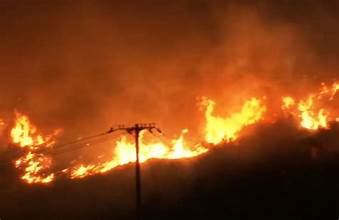
by The devastating fire at Gul Plaza has once again exposed the fragile state of safety in Pakistan’s crowded commercial centers. What began as a routine day for hundreds of shopkeepers, workers, and shoppers quickly turned into a nightmare when flames engulfed the multi-storey shopping plaza. Early footage circulating soon after the incident captured chilling scenes of panic, confusion, and desperation as people rushed to escape thick smoke and rapidly spreading fire. The visuals have not only shocked the nation but also reignited a long-standing debate over fire safety, emergency preparedness, and regulatory failures in urban markets.
A Normal Day Turns Into Chaos
Gul Plaza, known for its bustling trade and constant footfall, was packed with shoppers and employees when the fire broke out. For many inside, there was little to no warning. Eyewitnesses recalled smelling smoke before alarms, if any existed, could alert them to danger. Within minutes, smoke filled corridors and staircases, turning escape routes into deadly traps.
The early footage that emerged showed people running through darkened hallways, some using mobile phone flashlights to navigate through dense smoke. Others were seen shouting warnings, urging fellow shoppers to abandon their belongings and head for exits immediately. The panic was evident on every face — a raw reflection of fear when survival becomes the only priority.
The Power of Early Footage
Videos recorded by trapped individuals and bystanders quickly spread across social media. These clips became the first real window into the unfolding tragedy. The footage showed crowds pressing toward stairwells, people stumbling due to poor visibility, and shopkeepers desperately trying to help customers find a way out.
Unlike official statements or delayed reports, this early footage conveyed the reality of the situation in real time. It documented not just the flames but the human cost — fear, confusion, and the instinctive fight to survive. For many viewers, these images were deeply unsettling, forcing the public to confront how vulnerable people are inside poorly equipped commercial buildings.
Struggle to Escape
Several survivors later described how difficult it was to escape Gul Plaza. Many exits were either blocked, poorly marked, or inaccessible due to smoke and heat. Some people attempted to move upward instead of down, hoping to find fresh air or alternative exits, only to be trapped as smoke rose rapidly.
In the footage Gul Plaza, some individuals can be heard coughing heavily, while others appeared disoriented. This highlighted a critical issue: the absence of clear evacuation plans and proper emergency guidance. In a crisis, seconds matter, and confusion can cost lives.
Rescue Efforts Under Pressure
As the fire intensified, rescue teams rushed to the scene. Firefighters battled towering flames for hours, facing challenges such as narrow access roads, lack of water pressure, and the building’s complex layout. Rescue workers had to proceed cautiously due to fears of structural collapse.
Gul Plaza Emergency responders worked relentlessly, breaking through locked doors and searching smoke-filled floors for survivors. Despite their efforts, the operation was slow and dangerous. The early footage underscored how much of the initial escape depended solely on individuals’ instincts rather than organized evacuation systems.
Human Stories Behind the Tragedy
Gul Plaza Beyond the statistics and footage are deeply personal stories. Families waited anxiously outside the building, desperately trying to contact loved ones trapped inside. Phones rang unanswered, and final messages sent from within the building became haunting reminders of the disaster’s scale.
Shopkeepers who had invested their life savings into small businesses lost everything in a matter of hours. For daily wage workers and small traders, the fire did not just destroy property; it erased livelihoods. Many survivors spoke of survivor’s guilt, haunted by the images of those who could not escape in time.

Questions Over Fire Safety Measures
The Gul Plaza blaze has raised serious questions about fire safety compliance. Reports suggest that the building lacked functional fire alarms, sprinklers, and clearly marked emergency exits. Fire extinguishers, if present, were either non-functional or inaccessible.https://arynews.tv/cm-punjab-green-tractor-scheme-deadline-for-waiting-list-applicants-set-for-dec-22
In many older commercial buildings, safety regulations exist only on paper. Inspections are rare, enforcement is weak, and violations often go unnoticed until tragedy strikes. The early footage made these shortcomings painfully visible, showing people relying on instinct rather than infrastructure to survive.
A Pattern of Repeated Disasters
Unfortunately, the Gul Plaza fire is not an isolated incident. Pakistan has witnessed multiple deadly fires in markets, factories, and residential buildings over the years. Each tragedy follows a familiar pattern: shock, mourning, official inquiries, and promises of reform — followed by gradual public amnesia.
The repetition of such incidents points to systemic failures. Overcrowding, illegal modifications, blocked exits, and outdated electrical wiring continue to plague urban structures. Without sustained accountability, these risks remain unaddressed, leaving citizens exposed to recurring danger.
Role of Authorities and Accountability
In the aftermath of the blaze, authorities announced investigations to determine the cause of the fire and assess responsibility. While such inquiries are necessary, public confidence remains low due to past experiences where reports led to little meaningful change.
Accountability must extend beyond identifying technical causes. It must address negligence, corruption, and the failure to enforce safety laws. Building owners, regulatory bodies, and inspection authorities all play a role in preventing such disasters. Without transparent action, promises of reform risk becoming empty words.
Psychological Impact on Survivors
The trauma of the Gul Plaza fire will linger long after the flames have been extinguished. Survivors may experience anxiety, nightmares, and fear of enclosed spaces. For those who lost colleagues, friends, or family members, grief may be compounded by unanswered questions and a sense of injustice.
Mental health support is often overlooked after such disasters. While physical injuries are treated, emotional wounds remain unaddressed. Recognizing and supporting the psychological recovery of survivors is essential for long-term healing.
Public Reaction and Outrage
The circulation of early footage sparked widespread outrage on social media. Many questioned how such a busy commercial hub could operate without basic safety systems. Others criticized authorities for failing to learn from past tragedies.
The public response reflects a growing demand for accountability and reform. Citizens are increasingly vocal about their right to safety in workplaces and public spaces. Whether this outrage leads to lasting change remains to be seen.
Lessons That Must Not Be Ignored
The Gul Plaza blaze offers painful lessons. First, fire safety cannot be optional. Regular inspections, functional equipment, and clear evacuation plans must be mandatory. Second, awareness matters. Shopkeepers and workers should be trained in basic emergency response and evacuation procedures.
Third, urban planning and building regulation enforcement must be strengthened. Allowing unsafe structures to operate puts countless lives at risk. Finally, transparency and accountability are crucial. Without them, tragedies will continue to repeat.
The Importance of Preparedness
Early footage from Gul Plaza showed ordinary people forced into extraordinary circumstances. Their survival depended largely on luck and quick thinking. Preparedness could have dramatically altered the outcome.
Simple measures — illuminated exit signs, emergency lighting, smoke detectors, and clear stairways — save lives. Investing in safety is not a luxury; it is a necessity. For a city as densely populated as Karachi, preparedness can mean the difference between a close call and a mass casualty event.
Moving Forward After the Blaze
As the city Gul Plaza mourns, attention must shift from shock to action. Compensation for victims, support for affected families, and rehabilitation of survivors are immediate needs. But long-term solutions require sustained political will and civic engagement.
The Gul Plaza fire should serve as a turning point. The haunting early footage must not fade into memory without leading to reform. Every life lost is a reminder of what happens when safety is neglected.
Conclusion
The early footage from the Gul Plaza blaze captured more than just a fire — it revealed the human cost of systemic neglect. Shoppers rushing to escape through smoke-filled corridors symbolized a broader struggle for safety in Pakistan’s urban spaces. While the flames have been extinguished, the questions raised by this tragedy continue to burn.
Whether this incident leads to meaningful change depends on collective resolve. Authorities must enforce laws, building owners must prioritize safety, and citizens must demand accountability. Only then can the country hope to prevent future disasters and ensure that public Gul Plaza spaces are places of security rather than silent threats.


