 by
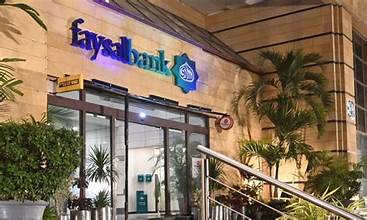
by Faysal Bank’s decision to invest Rs200 million into its currency exchange subsidiary marks a significant development in Pakistan’s evolving financial sector. At a time when economic volatility, currency fluctuations, and regulatory reforms continue to shape the banking landscape, this capital injection signals confidence, strategic foresight, and a long-term commitment to strengthening foreign exchange operations. The move reflects not only the bank’s internal growth ambitions but also broader trends within Pakistan’s banking and exchange ecosystem.
Strengthening the Exchange Business
Currency exchange subsidiaries play a crucial role in a bank’s overall operations. They act as a bridge between domestic financial activity and global markets, facilitating remittances, trade settlements, and foreign currency transactions. By investing Rs200 million into its exchange arm, Faysal Bank is reinforcing this critical link.
This infusion of capital is expected to enhance operational capacity, improve liquidity, and allow the subsidiary to expand its footprint in a competitive market. With increased capitalization, the exchange firm can better manage currency positions, meet regulatory capital requirements, and respond more effectively to customer demand.
Context of Pakistan’s Foreign Exchange Market
Pakistan’s foreign exchange market has experienced considerable pressure in recent years due to external debt obligations, import-export imbalances, and fluctuations in remittance inflows. Regulatory tightening and market reforms have aimed to stabilize the rupee while increasing transparency in exchange operations.
In this environment, well-capitalized and compliant exchange firms are better positioned to operate efficiently. Faysal Bank’s investment reflects an understanding of these dynamics and a desire to ensure its subsidiary remains resilient amid market uncertainties.
Strategic Rationale Behind the Investment
The Rs200 million investment is not merely a financial transaction; it is a strategic move aligned with Faysal Bank’s broader growth objectives. Strengthening the exchange subsidiary allows the bank to diversify revenue streams beyond traditional lending and deposit-taking activities.
Foreign exchange services generate fee-based income, which is particularly valuable in periods when interest margins are under pressure. By bolstering its exchange operations, Faysal Bank can enhance non-interest income while offering integrated financial solutions to corporate and retail clients.
Enhancing Customer Services
One of the most immediate impacts of the investment is likely to be improved customer service. Additional capital can be used to upgrade systems, expand branch networks, and introduce more efficient transaction processes.
Customers increasingly demand fast, secure, and transparent currency exchange services. Whether it is overseas Pakistanis sending remittances, businesses settling trade invoices, or travelers exchanging currency, service quality plays a decisive role. A stronger exchange subsidiary enables Faysal Bank to meet these expectations more effectively.
Regulatory Compliance and Stability
Pakistan’s financial regulators have emphasized stricter oversight of exchange companies to curb illicit flows and ensure market stability. Compliance with capital adequacy and reporting standards is essential for continued operation.
By injecting Rs200 million, Faysal Bank ensures that its subsidiary remains well within regulatory requirements. This proactive approach reduces compliance risk and reinforces trust among regulators, customers, and counterparties.
Impact on Remittance Flows
Remittances are a vital source of foreign exchange for Pakistan, contributing significantly to the country’s balance of payments. Banks and exchange companies play a key role in channeling these funds through formal mechanisms.
A stronger exchange subsidiary can enhance remittance processing capabilities, offer competitive rates, and expand partnerships with international money transfer operators. This, in turn, can help attract a larger share of remittance inflows, benefiting both the bank and the broader economy.
Supporting Trade and Corporate Clients
Corporate clients engaged in import and export activities rely heavily on efficient foreign exchange services. From letters of credit to currency conversions, exchange subsidiaries support the smooth functioning of trade finance operations.
The capital injection positions Faysal Bank’s exchange arm to better serve these clients by offering improved liquidity, faster settlements, and competitive pricing. This can strengthen relationships with corporate customers and enhance the bank’s reputation as a comprehensive financial partner.

Technology and Digital Transformation
Modern currency exchange operations increasingly rely on digital platforms for efficiency and transparency. Investment capital can be directed toward upgrading IT systems, enhancing cybersecurity, and integrating digital channels.
By modernizing its exchange subsidiary, Faysal Bank can streamline processes, reduce operational risks, and provide customers with digital access to exchange services. This aligns with broader trends in the banking sector, where technology-driven solutions are becoming essential for competitiveness.
Risk Management and Market Volatility
Foreign exchange markets are inherently volatile, influenced by global economic trends, geopolitical developments, and domestic policy changes. Effective risk management is therefore crucial.
Additional capital provides a buffer against market fluctuations, enabling the exchange subsidiary to manage open positions more prudently. This reduces exposure to sudden currency swings and enhances overall financial stability.
Signaling Confidence to the Market
Capital injections often serve as a signal of confidence. By investing Rs200 million into its exchange subsidiary, Faysal Bank sends a clear message to stakeholders that it believes in the long-term viability and growth potential of the business.
Such signals can strengthen investor confidence, reassure customers, and enhance the bank’s standing within the financial community. In a challenging economic environment, confidence is a valuable asset.
Competitive Positioning
The currency exchange market in Pakistan is highly competitive, with numerous banks and standalone exchange companies vying for market share. Capital strength, service quality, and regulatory compliance are key differentiators.
Faysal Bank’s investment improves its competitive positioning by enabling its subsidiary to scale operations, innovate, and respond quickly to market opportunities. This can translate into increased market share and sustained profitability.
Contribution to Financial Inclusion
Currency exchange services also play a role in financial inclusion by connecting individuals and businesses to formal financial systems. Overseas workers, small traders, and travelers often rely on exchange companies as their primary interface with the financial sector.
A stronger exchange subsidiary can expand outreach, particularly in underserved areas, and encourage greater use of formal channels. This contributes to broader financial inclusion goals and supports economic development.
Economic Implications
While Rs200 million may seem modest in absolute terms, its impact can be significant when deployed strategically. Increased efficiency in exchange operations can improve foreign currency availability, reduce transaction costs, and enhance market stability.
These effects ripple through the economy, supporting trade, investment, and consumption. In this sense, Faysal Bank’s investment has implications that extend beyond its balance sheet.
Alignment with Islamic Banking Principles
Faysal Bank has a strong presence in Islamic banking, which emphasizes ethical finance, transparency, and risk-sharing. Strengthening its exchange subsidiary aligns with these principles by promoting compliant, regulated, and transparent financial practices.
Ensuring that foreign exchange operations adhere to ethical standards enhances the bank’s credibility and supports its long-term strategic vision.

Challenges Ahead
Despite the positive outlook, challenges remain. Currency volatility, regulatory changes, and global economic uncertainties can affect exchange operations. Competition from digital platforms and informal channels also poses risks.https://propakistani.pk
However, adequate capitalization provides a foundation for addressing these challenges. With careful management and strategic planning, the exchange subsidiary can navigate uncertainties and capitalize on emerging opportunities.
Future Growth Prospects
Looking ahead, the investment may pave the way for further expansion. This could include opening new branches, forming international partnerships, or introducing innovative exchange products tailored to customer needs.
As Pakistan’s economy gradually stabilizes and integrates more deeply with global markets, demand for efficient foreign exchange services is likely to grow. Faysal Bank’s proactive approach positions it well to benefit from these trends.
Corporate Governance and Transparency
Capital injections are also a reflection of sound corporate governance. By strengthening its subsidiary through formal investment, Faysal Bank demonstrates transparency and accountability in managing group entities.
This approach enhances stakeholder trust and aligns with best practices in corporate governance, which are increasingly important in today’s financial environment.
Market Reaction and Industry Perspective
Industry observers are likely to view the investment positively, interpreting it as a sign of resilience and strategic clarity. In a sector often criticized for short-term thinking, such long-term commitments stand out.
The move may also encourage other banks to reassess their exchange operations and consider similar investments, potentially raising overall standards in the industry.
Conclusion
Faysal Bank’s Rs200 million investment in its currency exchange subsidiary represents a thoughtful and forward-looking strategy. It strengthens the bank’s foreign exchange capabilities, enhances customer service, ensures regulatory compliance, and supports broader economic objectives.
In an environment marked by uncertainty and change, such investments underscore the importance of preparedness, confidence, and long-term vision. By reinforcing its exchange arm, Faysal Bank is not only safeguarding its own interests but also contributing to the stability and development of Pakistan’s financial system.
As the exchange subsidiary leverages this new capital, its performance will be closely watched. If managed effectively, the investment could serve as a model for how banks can strengthen ancillary businesses to create sustainable growth and resilience in challenging times.