 by
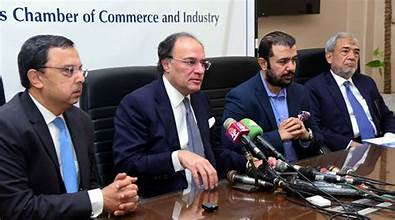
by Pakistan’s Express economic narrative has long been shaped by cycles of optimism and crisis, reform and relapse. In recent months, however, a cautiously hopeful tone has begun to emerge. This shift was underscored when Finance Minister Muhammad Aurangzeb revealed that Saudi officials have expressed strong confidence in Pakistan’s economic recovery. The statement carries weight not only because of Saudi Arabia’s close historical ties with Pakistan, but also because of the Kingdom’s growing role as a major economic partner and investor in the region. At a time when Pakistan is striving to stabilize its economy and restore investor trust, such confidence from a key ally sends an important signal domestically and internationally.
A Vote of Confidence at a Critical Time
Saudi Arabia’s endorsement comes at a crucial juncture for Pakistan. The country has spent recent years grappling with high inflation, dwindling foreign exchange reserves, a widening fiscal deficit, and repeated balance-of-payments challenges. These pressures have strained households, businesses, and public finances alike.
Against this backdrop, expressions of confidence from Saudi leadership suggest that Pakistan’s recent policy measures and reform efforts are beginning to resonate with external partners. According to Aurangzeb, Saudi officials see positive momentum and believe that Pakistan is moving in the right direction, with more improvement expected in the months ahead.
The Importance of Saudi-Pakistan Economic Ties
Saudi Arabia has long been one of Pakistan’s most important allies, providing financial assistance, oil facilities, and diplomatic support during difficult times. Beyond political relations, the economic bond between the two countries is deep and multifaceted.
Millions of Pakistanis work in Saudi Arabia, sending billions of rupees in remittances back home each year. These remittances form a vital pillar of Pakistan’s foreign exchange inflows. Additionally, Saudi Arabia has extended loans, deposits, and deferred oil payment arrangements that have helped Pakistan manage short-term economic stress.
Saudi confidence in Pakistan’s recovery therefore carries both symbolic and practical significance. It reflects trust in Pakistan’s economic management and opens the door for deeper cooperation in trade, investment, and development.
Signs of Economic Stabilization
Aurangzeb’s remarks come amid signs that Pakistan’s economy may be stabilizing after a prolonged period of turbulence. Inflation, while still high, has shown indications of easing. Foreign exchange reserves have improved compared to previous lows, and the current account deficit has narrowed due to import compression and steady remittance inflows.
Fiscal discipline has also become a key focus, with the government emphasizing revenue enhancement, expenditure control, and structural reforms. While these measures have been painful for many citizens, they are widely seen as necessary steps toward long-term stability.
Saudi officials’ confidence suggests that these efforts are being recognized at the international level, reinforcing the idea that Pakistan’s difficult choices may be starting to yield results.https://propakistani.pk
Investor Sentiment and International Perception
In today’s interconnected global economy, perception often matters as much as performance. International investors closely watch signals from influential countries and institutions before committing capital. Saudi Arabia’s positive assessment of Pakistan’s economic direction can help improve investor sentiment at a time when confidence remains fragile.
Such endorsements can reassure markets that Pakistan is not isolated and continues to enjoy the support of key partners. This, in turn, can encourage other investors to take a fresh look at opportunities in Pakistan, particularly in sectors with high growth potential.
Saudi Investment Potential in Pakistan
Saudi Arabia has shown increasing interest in investing directly in Pakistan’s economy. Discussions have focused on energy, mining, agriculture, infrastructure, and tourism. These sectors align with Saudi Arabia’s own diversification goals under its Vision 2030 framework, as well as Pakistan’s need for foreign direct investment.
Aurangzeb’s comments hint that Saudi confidence may translate into concrete economic engagement. Large-scale investments could not only inject much-needed capital but also bring technology, expertise, and employment opportunities.
For Pakistan, attracting Saudi investment would help reduce reliance on short-term borrowing and create a more sustainable growth model based on productive capacity.

Energy Cooperation as a Cornerstone
Energy has been a central pillar of Saudi-Pakistan economic cooperation. Pakistan’s Express chronic energy shortages and reliance on imported fuel have long strained its economy. Saudi Arabia’s role as a major oil producer and exporter positions it as a natural partner in addressing these challenges.
Future cooperation could include long-term energy supply agreements, investments in refining and storage infrastructure, and collaboration on renewable energy projects. Saudi confidence in Pakistan’s recovery could accelerate progress in these areas, easing one of the country’s most persistent economic constraints.
The Role of Remittances
Remittances from Saudi Arabia remain one of Pakistan’s largest sources of foreign exchange. The stability of these inflows provides a crucial buffer against external shocks and supports household consumption across the country.
Saudi confidence in Pakistan’s economy may also reflect the strong contribution of Pakistani workers to the Kingdom’s economy. Continued demand for skilled and semi-skilled labor ensures that remittance flows remain robust, further strengthening Pakistan’s external position.
Policies Express that protect overseas workers’ rights and facilitate remittance channels will be essential to sustaining this mutually beneficial relationship.
Domestic Reform Efforts Under Scrutiny
While external confidence is encouraging, Pakistan’s recovery ultimately depends on domestic reform. Saudi officials’ optimism likely reflects expectations that Pakistan will stay the course on structural changes rather than revert to short-term fixes.
Key areas of reform include broadening the tax base, improving governance of state-owned enterprises, strengthening the energy sector, and enhancing export competitiveness. Progress in these areas will determine whether current stabilization evolves into sustained growth.
Aurangzeb’s remarks suggest that international partners are watching closely and are willing to support Pakistan as long as reforms remain on track.
Challenges That Still Lie Ahead
Despite positive signals, Pakistan’s Express economic journey remains fraught with challenges. High debt levels, population growth, climate-related risks, and global economic uncertainty all pose ongoing threats.
Saudi confidence should therefore be viewed as cautious optimism rather than a declaration of victory. Much work remains to translate stabilization into inclusive growth that improves living standards and creates jobs.
Managing public expectations will be critical. While international endorsements can boost morale, they must be matched by tangible improvements in everyday economic conditions.
Strengthening Bilateral Trade
Beyond investment and financial support, Saudi Arabia and Pakistan have opportunities to expand bilateral trade. Pakistan exports textiles, rice, and food products to the Kingdom, while importing oil and petrochemicals.
Diversifying and increasing trade can help Pakistan Express reduce its trade deficit and build more resilient economic ties. Saudi confidence in Pakistan’s recovery could pave the way for trade facilitation measures and new market access.

Regional and Geopolitical Dimensions
Saudi Arabia’s stance on Pakistan’s economy also has regional implications. As the Middle East and South Asia navigate shifting geopolitical dynamics, economic partnerships are becoming increasingly important.
Saudi endorsement strengthens Pakistan’s Express standing in regional forums and reinforces its relevance as a strategic partner. This can enhance Pakistan’s ability to engage with other Gulf countries and attract broader regional investment.
Public and Political Impact in Pakistan
Domestically, Aurangzeb’s statement is likely to be used by the government to highlight progress and justify its economic policies. Positive feedback from a key ally can bolster political confidence and help counter criticism over austerity measures.
However, public support will ultimately depend on whether economic recovery translates into relief for ordinary citizens. Lower inflation, job creation, and improved public Express services are the benchmarks by which people will judge success.
Building Long-Term Economic Resilience
Saudi confidence offers Pakistan an opportunity to rethink its economic model. Rather than relying on periodic bailouts and short-term assistance, Pakistan can aim to build long-term resilience through productivity, exports, and investment.
Partnerships with countries like Saudi Arabia Express can play a role in this transition, but they must be embedded within a broader strategy of self-reliance and reform.
The Message to Global Partners
Aurangzeb’s remarks send a message to the international community that Pakistan is regaining credibility. Support from Saudi Arabia complements engagement with multilateral institutions and other bilateral partners.
This multi-pronged approach can help Pakistan Express balance external support with domestic reform, creating a more stable foundation for growth.
Conclusion
Saudi Arabia’s expression of confidence in Pakistan’s Express economic recovery, as revealed by Finance Minister Muhammad Aurangzeb, marks an important moment in the country’s ongoing efforts to stabilize and rebuild its economy. It reflects recognition of recent reforms, trust in Pakistan’s policy direction, and optimism about future progress.
While challenges remain significant, such confidence from a key ally provides both encouragement and responsibility. It encourages Pakistan Express to continue on the path of reform while reminding policymakers that international trust must be earned and sustained.
If Pakistan Express can translate this external confidence into tangible investment, stronger trade ties, and sustained reform momentum, the current signs of recovery may evolve into lasting economic resilience. The road ahead is long, but with continued discipline and strategic partnerships, Pakistan’s economic story may yet turn toward stability and growth.