by
by A tragic incident unfolded in Karachi when a firecracker warehouse explosion claimed the lives of five people, leaving several others injured. The devastating blast has once again raised serious concerns over safety standards, illegal storage practices, and the lack of regulatory oversight in Pakistan’s commercial hubs. As authorities continue investigations, grieving families and survivors are left grappling with the consequences of a preventable tragedy.
The Incident
The explosion occurred in a densely populated area of Karachi, where a firecracker warehouse was reportedly operating without proper safety measures. Eyewitnesses recalled hearing a deafening blast followed by flames that engulfed nearby structures. Panic spread rapidly as thick smoke rose into the sky, forcing residents to flee their homes. Rescue teams rushed to the site, but the intensity of the blaze made firefighting efforts difficult.
Initial reports confirmed that at least five people lost their lives, while others suffered severe burn injuries and trauma. The death toll, according to officials, could rise further as some victims remain in critical condition. Surrounding shops and residential units also sustained heavy damage, highlighting the sheer force of the explosion.
Possible Causes of the Blast
Authorities believe the warehouse stored large quantities of fireworks and explosive materials in unsafe conditions. Firecrackers, though widely used for celebrations across Pakistan, are often manufactured and stored without adherence to safety regulations.
Some of the possible factors contributing to the tragedy include:
- Lack of Fire Safety Protocols: No fire extinguishers, alarms, or emergency exits were in place.
- Improper Storage: Explosives were reportedly stacked haphazardly, increasing the risk of ignition.
- Violation of Licensing Rules: The warehouse is suspected of operating without a proper license or official clearance.
- Negligence in Handling: A minor spark, electrical short circuit, or careless handling may have triggered the blast.
Response from Authorities
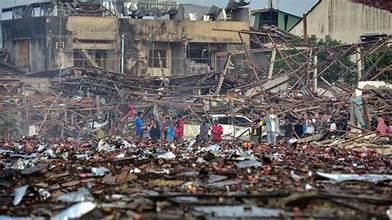
The Sindh government and law enforcement agencies have launched an investigation to determine responsibility. Officials confirmed that the warehouse owner and other responsible parties would be held accountable under strict legal provisions.
Rescue 1122, along with Karachi’s fire brigade, played a crucial role in controlling the blaze and evacuating nearby residents. Local hospitals also activated emergency protocols to provide immediate medical attention to the injured.
Despite these efforts, criticism has mounted over the government’s failure to prevent such incidents, as similar tragedies have occurred in Karachi in the past. Many argue that the enforcement of safety standards remains weak, allowing illegal storage facilities to thrive in residential areas.
Human Impact of the Tragedy
Beyond the statistics, the Karachi firecracker warehouse explosion represents shattered families, lost livelihoods, and deep emotional scars. Many of the victims were breadwinners for their households. Their sudden deaths have left families in mourning and uncertainty.
For survivors, the trauma of witnessing the explosion, losing loved ones, and seeing their homes damaged will remain long after the debris is cleared. The incident also disrupted local businesses, leaving shopkeepers and workers without income in an already struggling economy.
Public Outrage and Demands for Reform
Citizens took to social media to express grief, anger, and frustration at the recurring safety lapses. Many demanded stricter regulations for fireworks manufacturing and storage, relocation of hazardous warehouses away from residential areas, and regular inspections to ensure compliance.
Civil society organizations and activists have also urged the government to introduce awareness campaigns on fire safety, emergency response training, and stricter penalties for illegal operators. Without systemic reforms, they warn, such tragedies are bound to repeat.
Historical Context of Similar Incidents
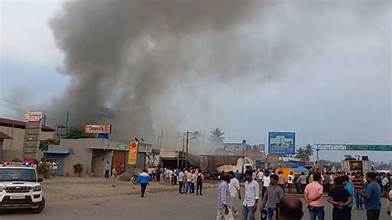
This is not the first time Karachi has witnessed such a disaster. In past years, fire incidents in garment factories, markets, and warehouses have claimed hundreds of lives. The infamous 2012 Baldia Town factory fire, which killed over 250 workers, remains a haunting reminder of the consequences of negligence and weak enforcement.
The firecracker warehouse blast is yet another addition to this tragic pattern. Each incident underscores the urgent need for comprehensive reforms in Pakistan’s industrial and commercial safety standards.
The Way Forward
To prevent such disasters in the future, experts suggest a multi-pronged approach:
- Strict Licensing and Monitoring: Firecracker warehouses should only operate with valid licenses, subject to regular inspections.
- Public Safety Training: Communities should be educated on identifying and reporting unsafe storage practices.
- Infrastructure Improvements: Fire departments must be equipped with modern tools and rapid-response systems.
- Relocation of Hazardous Facilities: Warehouses storing explosives should be moved away from residential neighborhoods.
- Stronger Penalties: Harsh punishments must be enforced on violators to deter illegal practices.
Conclusion
The Karachi firecracker warehouse blast is a painful reminder of the dangers posed by negligence, weak regulation, and the absence of safety culture in Pakistan’s commercial sectors. With five lives already lost and families torn apart, this tragedy must not fade into just another news headline. It should serve as a turning point for the government, civil society, and businesses to work together in strengthening safety standards.
If lessons are not learned and enforced, Karachi—and Pakistan at large—risks facing more such preventable disasters. The responsibility lies not just with the authorities but with society as a whole to demand accountability and ensure a safer future for all.