 by
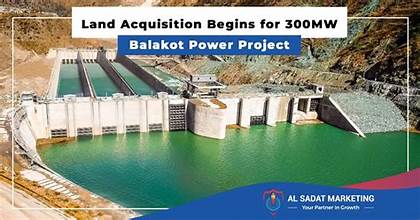
by Pakistan has achieved a significant milestone in its renewable energy journey as the Balakot Hydropower Project successfully completes the critical river diversion stage, officially transitioning into its main construction phase. This development marks a major step forward in one of the country’s most important clean energy projects, which aims to address growing electricity demands, reduce dependence on imported fuels, and promote sustainable development.
The Balakot Hydropower Project, located on the Kunhar River in the scenic district of Mansehra, Khyber Pakhtunkhwa, is among the largest power generation initiatives currently underway in Pakistan. With a designed capacity of 300 megawatts (MW), the project is expected to play a crucial role in meeting the nation’s increasing energy needs while contributing to environmental preservation and economic growth.
A Major Milestone: River Diversion Completed
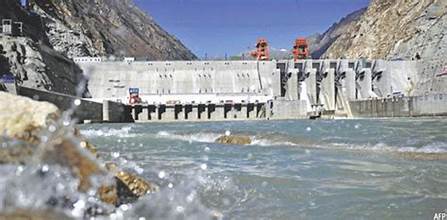
The completion of river diversion marks a key technical achievement for any hydropower project, signaling the start of full-scale construction activities. This process involves redirecting the river’s flow through diversion tunnels to allow engineers to begin building the dam and powerhouse structures safely in a dry environment.
At Balakot, this milestone demonstrates the efficiency and commitment of both local and international teams working on the project. Engineers successfully diverted the Kunhar River ahead of schedule, ensuring that subsequent stages—such as dam foundation excavation, concreting, and installation of electromechanical equipment—can proceed without delay.
The Water and Power Development Authority (WAPDA), which oversees the project, announced that the river diversion was achieved with precision, adhering to strict environmental and safety standards. This progress marks a shift from preparatory works to the main phase of construction, bringing the project closer to its goal of generating clean, affordable, and reliable electricity.
Project Overview and Strategic Importance
The Balakot Hydropower Project is being developed under the supervision of WAPDA in partnership with international financiers, including the Asian Development Bank (ADB). It is part of Pakistan’s long-term energy strategy to expand renewable energy capacity, reduce reliance on fossil fuels, and strengthen national energy security.
Here are the key project details:
| Feature | Description |
|---|---|
| Project Name | Balakot Hydropower Project |
| Location | Kunhar River, Mansehra District, Khyber Pakhtunkhwa |
| Installed Capacity | 300 MW |
| Annual Energy Generation | Approximately 1,143 GWh |
| Implementing Agency | Water and Power Development Authority (WAPDA) |
| Financing Partner | Asian Development Bank (ADB) |
| Project Cost | Around USD 750 million |
| Completion Target | 2027 (expected) |
| Type of Project | Run-of-the-river with limited storage |
| Key Components | Dam, powerhouse, diversion tunnels, and transmission line |
Once operational, the project is expected to supply enough electricity to power over 1.5 million homes, significantly easing the energy shortfall in northern Pakistan.
Economic and Environmental Benefits
The Balakot Hydropower Project is not just an energy initiative—it is a symbol of economic revitalization and environmental sustainability. Hydropower remains one of the cleanest and most reliable sources of renewable energy, and projects like Balakot are essential to Pakistan’s transition toward a greener energy mix.
1. Clean and Affordable Energy:
By harnessing the natural flow of the Kunhar River, the project will generate electricity without relying on fossil fuels, helping Pakistan cut down its carbon emissions and fuel import costs.
2. Economic Growth and Employment:
The project has already created thousands of direct and indirect job opportunities for local communities. Skilled and unskilled labor from Mansehra and surrounding areas have been employed, contributing to regional economic growth.
3. Regional Development:
The project’s associated infrastructure—such as roads, bridges, and utilities—will improve connectivity and economic activity in Balakot and nearby regions, enhancing living standards and promoting tourism.
4. Climate and Environmental Impact:
As a renewable energy project, Balakot will help reduce Pakistan’s carbon footprint, displacing thermal power generation that depends on imported oil and gas. The dam’s design also incorporates measures to minimize ecological disturbance and maintain aquatic life balance.
WAPDA’s Commitment to Energy Transformation
WAPDA has been playing a leading role in Pakistan’s hydropower expansion strategy. With several major projects under construction—including Diamer-Bhasha Dam, Dasu Hydropower Project, and Mohmand Dam—the authority aims to significantly increase the country’s hydropower capacity in the coming decade.
Chairman WAPDA, in a statement following the river diversion milestone, commended the engineers and workers for their dedication. He reaffirmed WAPDA’s commitment to completing the project within the stipulated timeline, emphasizing that Balakot would be a cornerstone in Pakistan’s green energy future.
He noted, “The completion of the river diversion tunnel is a major achievement that reflects our team’s professionalism and resilience. With this, we move confidently into the main construction phase, bringing us closer to our mission of ensuring affordable and clean electricity for Pakistan.”
Engineering Excellence Behind the Project
The Balakot Hydropower Project involves some of the most advanced engineering techniques being used in Pakistan’s hydropower sector. The river diversion itself was a technically demanding task, requiring precise excavation of tunnels through mountainous terrain, reinforced with high-strength concrete linings to withstand strong water pressure.
Now that the river has been successfully diverted, the next steps include:
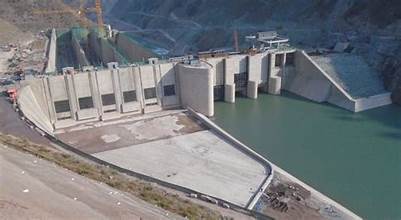
- Dam Construction: Building a concrete gravity dam across the Kunhar River to create a reservoir and control water flow.
- Powerhouse Development: Construction of an underground powerhouse that will house three turbine-generator units, each capable of producing 100 MW.
- Transmission Infrastructure: Installation of a transmission line to connect the project to the national grid, ensuring the generated electricity reaches homes and industries across the country.
- Environmental Mitigation Works: Implementation of reforestation and biodiversity management programs to offset the project’s environmental footprint.
The project employs both local and international engineers, reflecting a successful model of collaboration and knowledge exchange in Pakistan’s infrastructure development.
Boost to Pakistan’s Renewable Energy Goals
Pakistan’s energy sector has long faced challenges of circular debt, fuel dependency, and power shortages. The government’s National Renewable Energy Policy aims to generate 60% of electricity from renewable sources by 2030—a goal in which hydropower plays a pivotal role.
Balakot, along with other ongoing projects, will help Pakistan diversify its energy portfolio and reduce its reliance on expensive imported fuels like LNG and furnace oil. Moreover, hydropower’s long lifespan and low operational costs make it a sustainable investment for future generations.
The project will also complement Pakistan’s commitments under the Paris Climate Agreement, contributing to global efforts to mitigate climate change.
Community Engagement and Social Impact
Beyond energy generation, the Balakot Hydropower Project prioritizes community welfare and social development. WAPDA has initiated several local development schemes in the project area, focusing on education, healthcare, and clean drinking water.
Resettlement plans have been carefully designed to ensure that affected families receive adequate compensation, alternative housing, and livelihood support. The project management has also launched vocational training programs to equip local youth with employable skills for construction and maintenance work.
These efforts underline a shift in how major infrastructure projects are approached—balancing economic growth with social responsibility.
Challenges and Future Outlook
Despite its impressive progress, the project is not without challenges. The rugged terrain, unpredictable weather, and logistical difficulties in transporting heavy machinery to remote locations pose constant hurdles. Additionally, ensuring timely completion amid fluctuating material costs and currency volatility remains a significant task.
However, WAPDA’s track record and the involvement of international partners like the ADB provide confidence that the project will be completed efficiently and within budget.
Once operational, Balakot Hydropower Project is expected to contribute over 1 billion kilowatt-hours (kWh) of electricity annually to the national grid, reducing power shortages and enhancing grid stability—particularly during peak demand seasons.
Conclusion
The successful river diversion at the Balakot Hydropower Project represents a defining moment in Pakistan’s pursuit of sustainable and secure energy. With the project now entering its main construction phase, the country moves one step closer to achieving a future powered by clean, indigenous resources.
This achievement is not just about infrastructure—it reflects Pakistan’s growing capacity for self-reliance, innovation, and environmental responsibility. As Balakot progresses toward completion, it stands as a symbol of hope and progress, demonstrating how strategic planning, modern engineering, and national will can work together to power a brighter tomorrow.