 by
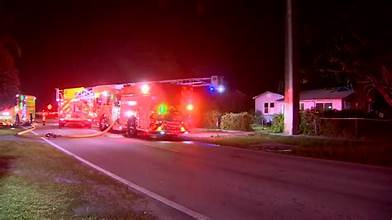
by A massive fire that broke out near the University of Karachi (UoK) on Monday night was finally brought under control after hours of relentless efforts by rescue teams and firefighters. The inferno, which engulfed a large area behind the university premises, left behind significant destruction. During the cooling operation, rescue workers discovered the body of one individual, confirming a tragic loss of life amid the chaos.
The incident has once again raised serious concerns about fire safety preparedness, emergency response efficiency, and the broader issue of encroachment and waste accumulation around key educational and industrial zones in Karachi.
The Outbreak of the Fire
According to initial reports, the fire erupted late in the evening behind the University of Karachi, near the vicinity of the city’s industrial belt. Witnesses said that thick plumes of smoke quickly filled the air, visible from several kilometers away, as flames raged through the area. Panic spread among nearby residents and university staff as the fire intensified due to strong winds and flammable materials present in the vicinity.
Local authorities were alerted immediately, prompting the Karachi Fire Department to dispatch multiple fire tenders to the scene. Firefighters, supported by rescue workers and law enforcement agencies, battled the blaze for several hours before it was finally contained early Tuesday morning.
Firefighting and Rescue Efforts
Firefighting teams from various stations across Karachi rushed to the site, deploying more than ten fire tenders and a water bowser. The efforts were hampered initially by limited access to the affected zone and low water pressure. Despite these challenges, rescue personnel worked tirelessly through the night, ensuring that the fire did not spread toward nearby residential areas or the university’s boundary.
Officials from the Karachi Metropolitan Corporation (KMC) and the Karachi Water and Sewerage Corporation (KWSC) coordinated to ensure a continuous supply of water to support the firefighting mission. The police also cordoned off the area, diverting traffic to prevent congestion and to allow emergency vehicles to operate smoothly.
After several hours of sustained effort, firefighters declared the fire under control. However, as part of the standard post-containment procedure, cooling operations were carried out to prevent any re-ignition of embers. It was during this phase that rescue teams discovered the body of one individual, believed to have been trapped during the early stages of the fire.
Discovery of the Deceased
Authorities later confirmed the recovery of a body during the cooling operation. The identity of the deceased has yet to be officially released, pending further investigation and notification of family members. Rescue officials suggested that the victim may have been an employee or a person working in the nearby industrial units.
The remains were shifted to Jinnah Postgraduate Medical Centre (JPMC) for medico-legal formalities, while police have launched an inquiry to determine the cause of death and possible negligence. The tragic discovery has deepened the sorrow surrounding the incident, transforming what was initially a property loss into a human tragedy.

Possible Cause of the Fire
While the exact cause of the fire is still under investigation, preliminary findings indicate that it may have originated from an industrial or waste storage area located behind the University of Karachi. Eyewitnesses reported hearing small explosions, suggesting that combustible materials might have played a role in fueling the blaze.
Experts have highlighted that the accumulation of industrial waste, discarded materials, and chemical residues in the vicinity of educational and research institutions poses a serious fire hazard. The area around the University of Karachi, which borders several industrial units, has long been criticized for poor waste management and lack of regulatory oversight.
Authorities from the Sindh Environmental Protection Agency (SEPA) have also been called in to assess whether hazardous substances contributed to the rapid spread of the fire. Officials emphasized that such incidents underline the urgent need for strict enforcement of environmental and safety laws.
Impact on the University and Surrounding Areas
Although the fire did not directly affect any part of the University of Karachi’s academic buildings, the proximity of the flames caused alarm among students, faculty, and nearby residents. Thick smoke temporarily disrupted visibility and air quality in the surrounding neighborhoods, prompting authorities to advise people to stay indoors.
Several departments of the university, including the Faculty of Science and the Institute of Environmental Studies, temporarily suspended evening activities to ensure safety. Security staff at the campus remained on high alert, coordinating closely with rescue teams to monitor the situation.
The administration of the University of Karachi expressed relief that the fire did not spread to the university grounds but extended condolences to the family of the deceased. They also urged the city administration to improve safety infrastructure and implement stricter controls over industrial activity near the campus.
Government and Public Response
Sindh Chief Minister and Karachi Commissioner both took notice of the incident, directing an immediate inquiry into the cause of the fire and the loss of life. The Chief Minister also instructed the fire department to submit a comprehensive report within 48 hours.
In a statement, Karachi Commissioner Muhammad Saleem Rajput commended the firefighters for their timely response and brave efforts in preventing the fire from spreading further. He also called for a detailed safety audit of the surrounding industrial zones and waste storage sites.
Citizens, meanwhile, expressed frustration on social media over the recurring nature of such incidents in Karachi. Many pointed to the lack of fire hydrants, unregulated industrial storage, and slow emergency response as systemic issues that need urgent reform.

Recurring Fire Incidents in Karachi
The fire near the University of Karachi is not an isolated case. Over the years, Karachi has witnessed numerous fire-related tragedies in warehouses, markets, and industrial areas. The 2012 Baldia Factory fire remains the most horrific, claiming over 250 lives, and serving as a grim reminder of what can happen when safety protocols are ignored.
More recently, fires have broken out in areas like Korangi, SITE, and Saddar due to electrical short circuits, chemical mishandling, and lack of firefighting equipment. Experts have repeatedly called for stricter enforcement of building codes, proper fire exits, and routine safety inspections.
Unfortunately, many facilities in Karachi continue to operate with outdated safety systems and inadequate fire control measures. The latest incident has reignited public debate over the need for comprehensive fire safety legislation and improved coordination between city agencies.
Lessons and the Way Forward
The Karachi fire tragedy highlights several critical lessons for city planners, administrators, and residents alike. First, it underscores the need for proactive fire prevention rather than reactive firefighting. Industrial zones and institutions must be required to maintain safety compliance certificates, install functional fire extinguishers, and conduct regular safety drills.
Secondly, the infrastructure gap in Karachi’s fire response system must be addressed. Despite being Pakistan’s largest metropolis, Karachi still struggles with an insufficient number of fire stations, outdated vehicles, and a lack of training for personnel.
Thirdly, public awareness plays a key role. Many fire-related accidents occur due to negligence, such as unsafe electrical wiring, improper disposal of waste, and illegal fuel storage. Educational campaigns and community-based fire safety programs can help reduce these risks significantly.
Finally, inter-agency coordination must be strengthened. The Karachi Metropolitan Corporation, Sindh Environmental Protection Agency, and local police need to work together to ensure quick response and enforcement of safety standards.
Conclusion
The fire behind the University of Karachi serves as another painful reminder of the city’s ongoing struggle with urban safety and emergency preparedness. Though firefighters ultimately contained the blaze, the discovery of one body during the cooling operation transformed the incident into a heartbreaking tragedy.
Authorities now face the task of uncovering the cause of the fire and ensuring accountability. More importantly, this incident should serve as a wake-up call for policymakers, urging them to strengthen Karachi’s fire safety infrastructure and enforce regulations that protect both lives and property.
As Karachi continues to grow as an industrial and educational hub, the importance of preventive safety measures cannot be overstated. Every life lost to negligence is one too many — and unless decisive action is taken, such incidents will continue to haunt the city.