 by
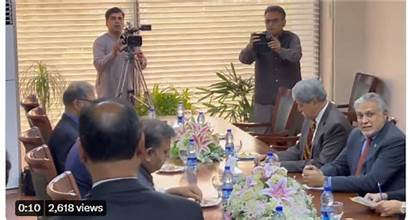
by The political atmosphere surrounding Azad Jammu and Kashmir (AJK) remains tense yet cautiously hopeful, as the Government of Pakistan and the Joint Awami Action Committee (JAAC) entered their second round of talks to resolve pressing issues in the region. The continuation of dialogue reflects a recognition by both sides that the grievances of the people of AJK cannot be sidelined any longer and that constructive negotiation is the only way forward.
The talks, marked by intense discussions and delicate maneuvering, come against a backdrop of public protests, economic frustrations, and rising demands for justice and reform. While the first round of negotiations created a space for communication, the second round carries higher expectations. Citizens of AJK, who have long raised concerns about governance, resources, and representation, are closely monitoring these meetings with cautious optimism.
Understanding the Context of the Dialogue
Azad Jammu and Kashmir holds both symbolic and strategic importance for Pakistan. Not only is it a region deeply tied to the broader Kashmir conflict, but it also serves as home to a resilient population that often feels sidelined in national discourse. Over the years, residents have raised concerns about the lack of developmental investment, unequal distribution of resources, and limited political autonomy.
The JAAC, a coalition of local leaders, political activists, and community representatives, has emerged as a powerful voice channeling these frustrations. Its growing popularity reflects widespread disillusionment with the status quo, where promises made to the people of AJK have often gone unfulfilled.
For the government, engaging with JAAC is not just about diffusing immediate tensions—it is about ensuring stability in a region where unrest could have significant political and security implications.
Key Issues Under Discussion
The second round of talks has placed several contentious issues on the table.
1. Economic Concerns
AJK’s economy has struggled under limited opportunities and resource exploitation. Locals often argue that despite being rich in natural resources, especially hydropower, the region does not benefit proportionately from its own assets. Many citizens believe that revenue generated from dams and energy projects primarily benefits the federal government, leaving AJK with little economic advantage.

2. Political Representation
Another recurring grievance is the limited political representation of AJK within Pakistan’s federal structure. While AJK has its own legislative assembly, its political influence on federal decision-making is minimal. The JAAC demands greater political inclusion and a stronger say in policies that directly impact the region.
3. Social Services and Infrastructure
Healthcare, education, and infrastructure development are pressing concerns. Citizens argue that the quality of public services does not reflect their needs, with rural areas particularly suffering from neglect. Roads, schools, and hospitals often lag behind national standards, further fueling resentment.
4. Public Protests and Governance
The JAAC has consistently highlighted heavy-handed governance approaches, especially during protests. Many residents claim that legitimate concerns are often suppressed rather than addressed. The demand for more transparent and accountable governance remains at the forefront of negotiations.
Govt, JAAC Resume Dialogue in Second Round Over AJK Issues
Government’s Position
The government, for its part, has emphasized its commitment to dialogue. Officials argue that Islamabad has consistently supported development projects in AJK, pointing to infrastructure initiatives, welfare schemes, and aid packages. However, they also acknowledge that gaps remain and that citizens’ frustrations cannot be dismissed.
By engaging with JAAC directly, the government aims to demonstrate its willingness to listen. However, balancing these demands with fiscal limitations and political realities is not an easy task. The talks are therefore seen as an attempt to find middle ground, where incremental progress could ease tensions without overextending national commitments.
JAAC’s Stance
The JAAC enters negotiations with strong grassroots support. Their stance has been clear: the people of AJK deserve fair treatment, economic justice, and respect for their rights. For JAAC leaders, these talks are an opportunity to turn popular grievances into tangible policy changes.
The committee’s insistence on greater transparency, equitable resource-sharing, and meaningful autonomy resonates strongly with ordinary citizens. JAAC has also stressed that trust between the government and the people of AJK can only be rebuilt through concrete actions, not verbal assurances.
Challenges to the Dialogue
Despite optimism, several challenges continue to overshadow the talks:
- Distrust: Years of unfulfilled promises have created skepticism among citizens, making it difficult for them to place full confidence in the outcome of negotiations.
- Political Divisions: Within AJK itself, multiple political factions exist, and unifying them under a single agenda is complex.
- Fiscal Constraints: Pakistan is grappling with significant economic challenges, limiting its ability to meet all financial demands.
- Geopolitical Sensitivities: The Kashmir issue remains internationally sensitive, and any major shifts in policy toward AJK could draw external attention and scrutiny.
Public Response
The people of AJK are watching the talks closely. Street-level reactions indicate both hope and caution. Many citizens see this as a rare opportunity for their concerns to be addressed, while others remain doubtful, citing past experiences where dialogue yielded little change.
Local media coverage reflects this mixture of optimism and skepticism. Commentaries highlight the need for sincerity on both sides and emphasize that the second round of talks should not become just another photo-op without results.
Possible Outcomes
While it is too early to predict the final outcome, some likely scenarios could emerge:
- Incremental Policy Changes: The government may agree to small but meaningful reforms—such as improved revenue-sharing or specific development projects—to signal goodwill.
- Institutional Mechanisms: A joint committee may be formed to ensure regular dialogue and follow-up on promises, fostering accountability.
- Symbolic Measures: Announcements related to infrastructure upgrades, healthcare improvements, or educational reforms could serve as confidence-building measures.
- Continued Stalemate: In the worst-case scenario, talks could fail, leading to renewed protests and widening distrust.
Why These Talks Matter
The second round of dialogue between the Government and JAAC is more than just a negotiation—it is a test of Pakistan’s ability to engage with its citizens in AJK constructively. Successful talks could reduce tensions, foster goodwill, and lay the groundwork for long-term reforms. On the other hand, failure could deepen resentment and exacerbate instability.
Ultimately, the process reflects a broader truth: governance cannot succeed without listening to the voices of the people. The residents of AJK have made it clear that their patience has limits, and meaningful change is the only path to sustainable peace.
Conclusion
As the government and JAAC continue their second round of talks, the stakes are high for both sides. For the government, success means stability and renewed trust. For JAAC, it means proving that grassroots activism can bring tangible results.
The people of AJK stand at the center of this moment—hoping that dialogue will finally translate into progress. Whether through economic justice, political inclusion, or improved governance, the outcomes of these talks will shape not just the future of AJK but also Pakistan’s broader approach to addressing regional grievances.
Only time will tell whether this dialogue marks the beginning of genuine reform or becomes another chapter of unfulfilled promises.