by
by The ongoing monsoon season has brought heavy downpours to various parts of Pakistan, with Karachi bearing the brunt of the latest rainfall. The country’s largest city witnessed torrential showers that not only disrupted daily life but also raised concerns over urban flooding, power outages, and traffic gridlocks. As the Pakistan Meteorological Department (PMD) forecasts more rain in the coming days, authorities across the nation are stepping up preparations to mitigate the potential impact of the relentless monsoon showers.
Karachi’s Struggle with Monsoon Rains
Karachi, often referred to as the economic hub of Pakistan, is no stranger to monsoon rains. However, heavy showers always pose challenges for the city’s infrastructure. On Sunday, multiple localities were inundated after continuous downpours, with waterlogging reported in areas such as Saddar, Gulshan-e-Iqbal, Nazimabad, Malir, and Korangi.
Traffic on main arteries, including Sharae Faisal, University Road, and MA Jinnah Road, slowed to a crawl as rainwater accumulated, leaving commuters stranded for hours. Many residents also reported prolonged power outages as the electricity supply was disrupted in several neighborhoods following the rainfall.
Despite repeated assurances from civic agencies, Karachi continues to face difficulties in managing heavy rainfall, largely due to blocked drainage systems and poor urban planning. The situation highlights the pressing need for long-term infrastructure reforms to address the city’s vulnerability to seasonal rains.
Monsoon Showers Across Pakistan
While Karachi faces urban flooding, other regions of Pakistan are also experiencing intense monsoon showers. The Punjab plains, upper Sindh, and Khyber Pakhtunkhwa (KP) have all reported above-average rainfall in recent days. Cities like Lahore, Faisalabad, Peshawar, and Hyderabad have experienced intermittent but heavy showers, which have brought relief from the scorching summer heat but also raised the risk of flash floods.
In Balochistan, rain-triggered flooding damaged rural infrastructure and disrupted connectivity in remote areas. The National Disaster Management Authority (NDMA) has issued advisories urging people living near rivers and low-lying regions to remain cautious as water levels are expected to rise.
Forecast and Warnings
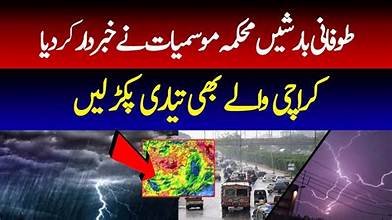
The Pakistan Meteorological Department (PMD) has forecast continued monsoon activity across the country over the next week. According to the department, Sindh and Balochistan are likely to face heavier-than-usual showers, while Punjab and KP will experience scattered rainfall. The PMD has also warned of potential flash floods in hilly areas and urban flooding in cities like Karachi, Hyderabad, and Lahore.
Fishermen along the coastal belt have been advised not to venture into the sea due to rough conditions caused by the monsoon system. Additionally, authorities have been asked to stay alert for landslides in northern areas, where heavy rains could trigger dangerous slope failures.
Impact on Daily Life
In Karachi, heavy rains brought not only waterlogging but also widespread power outages, with many areas experiencing hours-long electricity suspensions. The power utility cited safety precautions as the reason for shutting down feeders during rainfall, but citizens expressed frustration over the lack of uninterrupted supply.
The rains also disrupted public transport and ride-hailing services, leaving many commuters with no choice but to wade through knee-deep water. Businesses and markets saw reduced activity, as shopkeepers were forced to close early due to water entering commercial premises.
In rural areas of Sindh and Balochistan, monsoon showers caused damage to crops, particularly cotton and rice fields, raising concerns among farmers about potential agricultural losses.
Relief and Response Measures
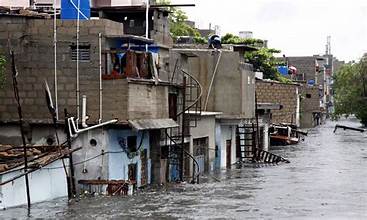
Civic authorities in Karachi, including the Karachi Metropolitan Corporation (KMC) and the Sindh government, dispatched teams to clear clogged drains and remove water from main roads. Pumping stations were activated in flood-prone areas to minimize waterlogging, while emergency teams were placed on alert to assist residents.
The NDMA, meanwhile, has been coordinating with provincial disaster management authorities to ensure that relief supplies are available in case of flooding. Rescue teams and boats have also been deployed in vulnerable regions, particularly in Balochistan and southern Punjab.
Climate Change and Monsoon Intensity
Experts believe that climate change has intensified the unpredictability and severity of monsoon rains in South Asia, including Pakistan. While monsoon rains are vital for agriculture and replenishing water reservoirs, extreme and concentrated downpours often lead to disasters, especially in urban centers with weak infrastructure.
Karachi’s recurring waterlogging problem reflects how unprepared cities are for climate-driven weather extremes. Without proper drainage systems, water harvesting mechanisms, and resilient infrastructure, the impact of monsoon rains will continue to disrupt lives and livelihoods every year.
Public Advisory
Authorities have advised citizens to stay indoors during heavy rainfall, avoid unnecessary travel, and keep emergency kits ready. Motorists are urged to exercise caution while driving on waterlogged roads, while parents have been asked to keep children away from open manholes and flooded streets.
The Sindh health department has also warned of an increase in waterborne diseases such as diarrhea, gastroenteritis, and dengue during the monsoon season, urging residents to consume clean water and use mosquito repellents.
Conclusion
The ongoing monsoon rains across Pakistan, particularly in Karachi, underline the challenges the country faces in managing extreme weather events. While the showers bring relief from heat and provide much-needed water for agriculture, they also expose gaps in infrastructure and preparedness.
Karachi’s struggle with urban flooding and prolonged power outages highlights the urgent need for comprehensive planning, investment in drainage systems, and better urban management. As climate change continues to alter weather patterns, Pakistan must prioritize resilience to protect its people and economy from the damaging effects of extreme rainfall.