by
by The dispute over k-electricity tariffs in Karachi has once again intensified, with industries raising strong objections to what they describe as an “unjustifiable financial burden” proposed by K-Electric. The controversy revolves around a Rs. 28 billion cost load, which industries argue will devastate manufacturing, inflate production costs, and worsen Pakistan’s already challenging economic environment. The situation escalated to the point where the Sindh High Court (SHC) intervened, delaying the scheduled tariff hearing and directing authorities to review the matter carefully.
This postponement by the SHC has temporarily cooled tensions, but it has also sparked new debates over transparency, regulatory oversight, and the long-term implications of repeated tariff adjustments. The ongoing tug-of-war between K-Electric, industries, regulators, and the judiciary reflects deeper structural issues within Pakistan’s energy sector.
In this comprehensive blog, we dive into the background of the dispute, industry concerns, K-Electric’s justification, the court’s role, and what the future may hold for Karachi’s power landscape.
Understanding the Conflict: Why Are Industries Protesting?
The industrial community in Karachi—Pakistan’s largest economic hub—has consistently voiced concerns about rising electricity tariffs. These industries already face:
- High production costs
- Inflationary pressures
- Depreciation of the rupee
- Supply chain disruptions
- Increasing fuel and raw material prices
Against this backdrop, K-Electric’s proposed recovery of Rs. 28 billion was seen as the tipping point.
Industries argue that the hike would:
- Increase manufacturing costs
- Reduce competitiveness in export markets
- Push small and medium industries toward closure
- Encourage further layoffs amid layoffs already rampant
- Fuel inflation in consumer goods
For many industrialists, this isn’t just about paying more—it’s about survival.
The Origins of the Rs. 28 Billion Cost Burden
K-Electric claims that the Rs. 28 billion adjustment is part of retrospective charges and fuel cost adjustments (FCAs) accumulated over previous periods. These costs, according to KE, include:
- Fuel price variations
- Power purchase costs
- Exchange rate adjustments
- Operational expenses
K-Electric maintains that these recoveries are allowed under NEPRA’s tariff mechanism and reflect real costs incurred while ensuring uninterrupted electricity supply.
However, industries argue that:
- The calculations lack transparency
- Retroactive charges punish consumers for KE’s inefficiencies
- Industries cannot be expected to bear the burden of past financial mismanagement
- The timing is unreasonable given the economic downturn
This divergence in viewpoints laid the foundation for the legal battle that reached the SHC.
SHC Steps In: The Hearing That Didn’t Happen
The Sindh High Court was approached by industrial associations seeking relief from what they described as an unsustainable financial burden. After reviewing initial submissions, the SHC ordered the deferral of the K-Electric tariff hearing, instructing NEPRA to reconsider objections raised by industries.
Why the SHC Delayed the Hearing
The court acknowledged:
- Significant economic implications
- The need for transparent calculations
- Concerns about procedural lapses
- The potential for severe industrial destabilization
The SHC emphasized that regulators must protect consumers, especially when proposed adjustments affect thousands of businesses and millions of workers.
The delay effectively paused NEPRA’s decision-making process, giving stakeholders more time to negotiate and review data.
Reaction from the Industrial Sector
The industrial community welcomed the SHC’s intervention as a much-needed pause in what they described as a pattern of “unchecked tariff hikes.” Business leaders and associations, including members of SITE, Korangi, North Karachi, and Federal B Area industrial zones, expressed gratitude toward the court for recognizing their concerns.
Key Statements from Industry Representatives
Industrialists stated that the Rs. 28 billion adjustment was:
- Economically unjustifiable
- Based on flawed accounting
- Tantamount to shifting KE’s inefficiencies onto consumers
Some even warned that the hike could force:
- Factory closures
- Shrinking export capacity
- Layoffs of thousands of workers
- Relocation of operations to cities with cheaper electricity
Industries repeatedly called for structural reforms, urging regulators and authorities to conduct third-party audits of KE’s financial claims.
K-Electric’s Position: Why the Utility Defends the Hike
K-Electric maintains that tariff adjustments are part of a regulated process designed to ensure fair cost recovery. The company claims:
- It has invested significantly in upgrading infrastructure
- Power interruptions have decreased over the years
- Losses due to theft and non-payment in some neighborhoods raise system costs
- Global fuel price volatility affects local operations
- Tariff adjustments enable continued service improvement
According to KE, the Rs. 28 billion is not an arbitrary imposition but a necessary correction for covering legitimate past expenses.
The utility also argues that failure to adjust tariffs could lead to financial instability, threatening power supply reliability for the entire city.
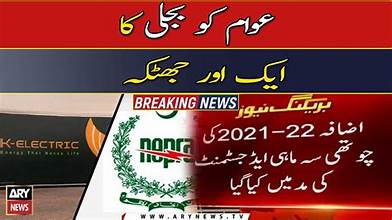
NEPRA’s Role: Between Regulation and Public Expectations
As Pakistan’s national power regulator, NEPRA (National Electric Power Regulatory Authority) plays a central role in determining electricity tariffs. It evaluates:
- Utility financial records
- Fuel purchase agreements
- Cost structures
- Consumer protection frameworks
However, NEPRA often faces the difficult task of balancing:
- Utility sustainability
- Government policies
- Public outcry
- Judicial intervention
In this case, NEPRA scheduled a hearing to evaluate the Rs. 28 billion adjustment, but the court’s intervention forced a pause.
Regulators now must reassess the tariff, possibly:
- Requesting further documentation
- Conducting fresh technical audits
- Engaging more stakeholders
NEPRA’s final decision will greatly influence future tariff cycles.
Economic Repercussions: What the Hike Means for Karachi
The economic implications of the proposed Rs. 28 billion adjustment are far-reaching, particularly given Karachi’s role as Pakistan’s industrial engine.
1. Higher Production Costs
Industries in Karachi already pay higher electricity rates than many regional competitors. A further hike would:
- Raise cost per unit of production
- Reduce profit margins
- Increase reliance on costly alternative power sources
2. Impact on Exports
Export-oriented sectors such as:
- Textiles
- Leather
- Sports goods
- Pharmaceuticals
- Chemicals
are particularly sensitive to electricity tariffs. Rising costs threaten Pakistan’s global competitiveness.
3. Consumer Inflation
Any increase in industrial costs eventually trickles down to consumers in the form of price hikes for:
- Household goods
- Processed foods
- Clothing
- Construction materials
This fuels inflation, which is already at historically high levels.
4. Job Loss Risks
Factories working on thin margins may not survive prolonged cost pressure, leading to layoffs and downsizing.
5. Foreign Investment Concerns
Frequent tariff shifts discourage foreign investors, who seek stability and predictable economic policies.
Legal Battle: What Happens Next?
The SHC has asked NEPRA and K-Electric to provide full clarity and justification for the adjustment. The court may:
- Request detailed cost breakdowns
- Call for independent audits
- Ask for alternative tariff proposals
- Direct regulators to protect vulnerable industries
The outcome of the upcoming hearings will determine whether the tariff is:
- Approved
- Reduced
- Revoked
- Reassessed with new calculations
The legal proceedings may also set a precedent for handling future tariff disputes in Pakistan.
A Deep Dive into Karachi’s Power Structure
Karachi’s electricity system is unique in Pakistan:
- K-Electric is the only vertically integrated private utility in the country
- It manages generation, transmission, and distribution
- The city relies heavily on natural gas and imported fuel
- Theft, low bill recovery, and aging infrastructure complicate operations
This structure often puts KE in conflict with:
- Industrialists
- Federal ministers
- Sindh government
- Consumers
The Rs. 28 billion dispute highlights the need for a modernized regulatory framework and more transparent accountability mechanisms.
Is the Tariff Adjustment Justified? A Balanced Analysis
Evaluating the fairness of the Rs. 28 billion hike requires looking at both sides objectively.
Arguments Supporting the Hike:
- Rising global fuel prices increase actual power generation costs
- KE must recover costs to sustain grid upgrades and new power projects
- System inefficiencies are partly due to theft and unpaid bills
- Regulatory frameworks allow cost-based adjustments
Arguments Opposing the Hike:
- Retroactive billing penalizes consumers for past mismanagement
- Industries cannot bear additional burdens in a recession
- K-Electric financial transparency remains questionable
- Karachi industries contribute significantly to national GDP; burdening them impacts the entire economy
Both sides raise valid points, making the SHC’s scrutiny essential.
How the Decision Will Shape Pakistan’s Energy Future
The eventual outcome will set important precedents:
1. Regulation and Accountability
If NEPRA is ordered to revise or reject the adjustment, it may force utilities across Pakistan to review:
- Cost recovery practices
- Billing transparency
- Consumer protection policies
2. Industrial Policy
A ruling favoring industries could lead to:
- More predictable energy pricing
- Protection of manufacturing sectors
- Government-backed energy subsidies
3. Investment Climate
The decision will influence:
- Investor confidence in Pakistan’s energy sector
- Public-private partnerships
- Future privatization plans
4. Utility Performance Standards
If K-Electric is held accountable for inefficiencies, other utilities may be pressured to:
- Upgrade systems
- Reduce line losses
- Justify tariff proposals more thoroughly
Conclusion: A Battle Over More Than Just Tariffs
The postponement of the K-Electric tariff hearing by the SHC is more than a temporary legal pause—it symbolizes a deeper struggle over economic policy, industrial survival, and accountability in Pakistan’s energy sector.
Karachi’s industries have made it clear that they cannot absorb additional financial shocks in such a fragile economy. K-Electric, on the other hand, insists on recovering legitimate costs to keep the city’s power supply stable. NEPRA stands between the two, navigating regulatory obligations and public expectations.
The court’s upcoming decisions will play a crucial role in shaping:
- Karachi’s industrial future
- Pakistan’s economic stability
- Investor confidence
- The trajectory of energy reforms
For now, the delay has bought industries time—but the ultimate resolution remains uncertain. What is clear, however, is that sustainable, transparent, and fair energy pricing is essential for Pakistan’s long-term growth.