 by
by Israel’s decision to authorize the construction of 19 additional settlements in the occupied West Bank has once again placed the Israeli-Palestinian conflict at the center of international attention. The move, approved by Israel’s cabinet, represents one of the most significant settlement expansions in recent years and has far-reaching political, legal, and humanitarian implications.
Settlements in the West Bank remain one of the most contentious issues in the decades-long conflict. Supporters within Israel view them as legitimate communities tied to historical and security claims, while Palestinians and much of the international community regard them as illegal under international law and a major obstacle to peace. The approval of these new settlements not only intensifies tensions on the ground but also reshapes the diplomatic and political landscape surrounding the conflict.
Understanding the West Bank Settlement Issue
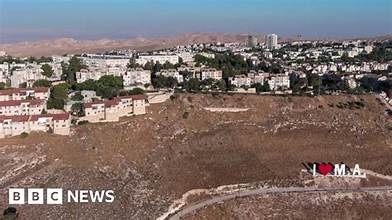
The West Bank has been under Israeli occupation since the 1967 Middle East war. Since then, successive Israeli governments have allowed or supported the establishment of Jewish settlements in the territory. These settlements range from large urban centers to smaller outposts, many of which have gradually expanded over time.
Today, hundreds of thousands of Israeli settlers live in the West Bank, alongside millions of Palestinians. The geographic spread of settlements has fragmented Palestinian communities, complicating governance, movement, and economic development.
The authorization of 19 additional settlements signals a continuation—and possible acceleration—of policies that have long drawn criticism from international organizations and foreign governments.
What the Cabinet Decision Means
The cabinet’s approval effectively grants official recognition and authorization to new settlement construction projects. This may include the formalization of previously unauthorized outposts, expansion of existing settlement areas, and the creation of entirely new residential zones.
From a legal and administrative perspective, authorization allows infrastructure development, allocation of state resources, and provision of security services. Roads, utilities, schools, and public facilities often follow, transforming settlements into permanent communities.
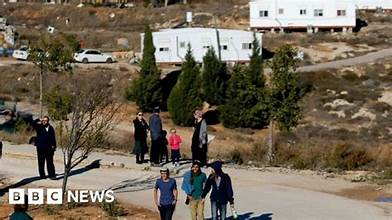
For Palestinians, such approvals often result in restricted access to land, increased security checkpoints, and heightened tensions with settlers, particularly in areas where land ownership is disputed.https://arynews.tv/cm-punjab-green-tractor-scheme-deadline-for-waiting-list-applicants-set-for-dec-22
Political Motivations Behind the Move
Settlement expansion is deeply intertwined with Israeli domestic politics. Right-wing and religious political parties have long advocated for strengthening Israel’s presence in the West Bank, viewing it as part of the historical land of Israel.
The approval of new settlements often reflects coalition dynamics, where settlement-supporting parties wield significant influence. For some political leaders, settlement expansion is framed as a demonstration of sovereignty and national resolve.
Critics argue that these decisions are driven by short-term political gains rather than long-term strategic planning, potentially undermining Israel’s international standing and security interests.
Palestinian Response and Growing Frustration
Palestinian leaders have strongly condemned the authorization of additional settlements, describing it as a violation of Palestinian rights and an effort to entrench occupation.
For Palestinians living in the West Bank, settlement expansion often translates into daily hardships. Land confiscation, restricted movement, and increased military presence disrupt livelihoods and social cohesion. Farmers may lose access to agricultural land, while communities face challenges in expanding housing or infrastructure.
The decision further deepens Palestinian skepticism toward peace negotiations, reinforcing perceptions that diplomatic efforts have failed to halt settlement growth.
International Law and Global Reaction
Under international law, most countries consider Israeli settlements in the West Bank illegal, citing conventions that prohibit an occupying power from transferring its population into occupied territory.
International reactions to settlement announcements typically include diplomatic condemnation, expressions of concern, and calls for restraint. Some governments argue that settlement expansion undermines the possibility of a negotiated two-state solution by altering facts on the ground.
However, enforcement mechanisms remain limited. Despite repeated criticism, settlement construction has continued, highlighting the gap between international consensus and practical influence.
Impact on the Two-State Solution
The two-state solution envisions an independent Palestinian state alongside Israel, based largely on pre-1967 borders with mutually agreed land swaps. Settlement expansion complicates this vision by fragmenting Palestinian territory and making contiguous statehood increasingly difficult.
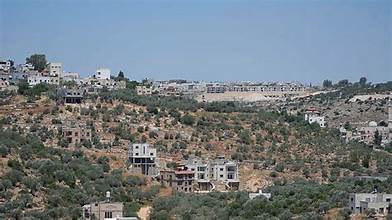
Each new settlement, particularly those deep within the West Bank, adds layers of complexity to future negotiations. Roads, security zones, and settlement blocs create physical and political barriers that are difficult to reverse.
Many analysts warn that continued settlement growth could push the conflict toward a one-state reality, raising questions about equal rights, governance, and long-term stability.
Security Considerations and Tensions on the Ground
Israeli officials often justify settlement expansion on security grounds, arguing that a strong civilian presence enhances strategic depth and deterrence. Settlements are typically protected by Israeli security forces, increasing the military footprint in surrounding areas.
For Palestinians, this heightened security presence can feel like collective punishment, contributing to resentment and sporadic unrest. Clashes between settlers and Palestinian residents have increased in recent years, further destabilizing the region.
The authorization of new settlements may intensify these dynamics, especially in already volatile areas.
Economic and Humanitarian Consequences
Settlement expansion has significant economic implications for Palestinians. Restrictions on land use, access to resources, and movement hinder economic growth and job creation.
Humanitarian organizations often highlight the unequal allocation of resources between settlements and nearby Palestinian communities. While settlements may receive modern infrastructure and services, Palestinian villages frequently face shortages of water, electricity, and building permits.
These disparities exacerbate poverty and contribute to long-term instability, fueling cycles of frustration and resistance.
Israeli Public Opinion: A Divided Landscape
Within Israel, public opinion on settlements is deeply divided. Supporters see them as expressions of national identity, security, and historical connection to the land. They argue that settlements provide affordable housing and strengthen Israel’s negotiating position.
Opponents, however, view settlement expansion as costly, morally problematic, and strategically damaging. Many fear that continued expansion isolates Israel internationally and entrenches an unsustainable status quo.
The cabinet’s decision reflects the strength of pro-settlement voices within the current political framework but does not represent unanimous consensus among Israeli citizens.
Diplomatic Ramifications
Settlement announcements often strain Israel’s relationships with key international partners. Diplomatic efforts to revive peace talks face setbacks when settlement expansion is perceived as undermining trust.
Some countries may respond with policy adjustments, including labeling settlement products or reassessing bilateral cooperation. While such measures rarely halt settlement activity, they contribute to Israel’s diplomatic challenges.
At the same time, geopolitical shifts and competing global crises can reduce international focus on the Israeli-Palestinian conflict, allowing settlement expansion to proceed with limited immediate consequences.
The Role of Regional Dynamics
Regional developments also influence settlement policies. Shifting alliances, normalization agreements, and regional conflicts shape Israel’s strategic calculations.
Some analysts argue that reduced pressure from regional actors has emboldened settlement expansion. Others believe that unresolved Palestinian issues remain a potential flashpoint that could disrupt broader regional stability.
The authorization of additional settlements sends a signal about Israel’s priorities amid these evolving dynamics.
Voices from Civil Society
Civil society organizations, both Israeli and Palestinian, have criticized the settlement decision. Human rights groups warn of escalating rights violations, while peace advocates argue that expansion undermines prospects for reconciliation.
Grassroots initiatives continue to call for dialogue, coexistence, and respect for international norms. However, their influence often struggles against entrenched political interests and deep-rooted mistrust.
Long-Term Implications
The long-term consequences of authorizing additional settlements are profound. Each decision shapes the physical, political, and psychological landscape of the conflict.
As settlements become more entrenched, the cost—political, economic, and social—of reversing them increases. This raises difficult questions about the future framework for resolving the conflict and ensuring rights and security for all inhabitants of the land.
A Conflict at a Crossroads
The authorization of 19 additional West Bank settlements underscores the enduring complexity of the Israeli-Palestinian conflict. It reflects competing narratives, unresolved grievances, and the challenge of balancing domestic politics with international expectations.
While supporters see the move as a continuation of long-held national aspirations, critics view it as a step away from peace and coexistence. What remains clear is that settlement expansion continues to shape realities on the ground in ways that will influence generations to come.
Conclusion: A Decision with Lasting Consequences
Israel’s authorization of 19 additional settlements in the West Bank is more than a policy decision—it is a defining moment with lasting implications for peace, stability, and justice in the region.
As tensions rise and diplomatic efforts face renewed strain, the need for meaningful dialogue and a comprehensive resolution becomes ever more urgent. Whether this decision leads to deeper entrenchment or prompts renewed international engagement remains to be seen.
What is certain is that the future of the West Bank, and the broader Israeli-Palestinian conflict, continues to hinge on choices made today—choices that will shape the region’s political and humanitarian landscape for decades.