 by
by Diplomatic efforts to address the growing threat of cross-border militancy appear to have hit a Istanbul roadblock, as recent reports suggest that the Taliban government in Afghanistan remains reluctant to take decisive action against militant groups such as the Tehrik-i-Taliban Pakistan (TTP) and Balochistan Liberation Army (BLA). According to sources familiar with the matter, the latest round of talks held in Istanbul, aimed at fostering cooperation between Pakistan and Afghanistan on counterterrorism, exposed deep-seated mistrust and differing priorities between the two sides.
The development has cast a shadow over regional security cooperation efforts and reignited concerns about the Taliban’s commitment to preventing Afghan soil from being used by militant outfits targeting neighboring countries.
Background: A Tense History of Militancy and Diplomacy
Since the Taliban’s return to power in August 2021, Pakistan and Afghanistan have struggled to rebuild a functional security relationship. Pakistan, which played a significant role in facilitating peace talks between the U.S. and the Taliban, initially hoped that the new Afghan administration would ensure that its territory was not used for attacks against Pakistan.
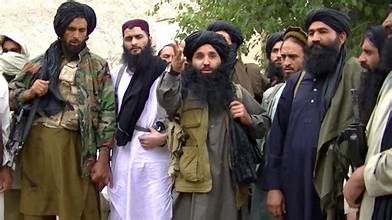
However, the opposite has occurred. The TTP, long declared a terrorist organization by Islamabad, has intensified its attacks within Pakistan, particularly in Khyber Pakhtunkhwa and Balochistan provinces. Many of these attacks, according to Pakistani officials, are orchestrated from Afghan soil with logistical support and safe havens provided to TTP operatives inside Afghanistan.
Similarly, elements of the Balochistan Liberation Army (BLA) — a separatist group involved in insurgent activities in southwestern Pakistan — have reportedly used cross-border sanctuaries to evade Pakistani counterterrorism operations.
The Istanbul talks, therefore, were viewed as a crucial opportunity to bridge the gap and develop a joint mechanism to curb militancy. But sources indicate that the discussions were far from fruitful.
The Istanbul Talks: Objectives and Expectations
The Istanbul meetings, facilitated by Turkish mediators, were convened in mid-October 2025 as part of a renewed diplomatic push to ease tensions between Islamabad and Kabul. The agenda primarily focused on:
- Counterterrorism cooperation to curb TTP and BLA activities.
- Border security coordination between Pakistani and Afghan forces.
- Intelligence-sharing mechanisms to identify and neutralize extremist hideouts.
- Economic and humanitarian cooperation, including trade facilitation and refugee management.
Pakistan entered the talks with a clear demand: the Taliban administration must take visible and verifiable action against militant outfits using Afghan territory to target Pakistan. However, Afghan officials reportedly downplayed the presence of such groups, maintaining that the Taliban government “does not support or host” any organization engaged in cross-border terrorism.
Taliban’s Stance: Denial and Deflection
According to diplomatic sources quoted in the aftermath of the Istanbul talks, Taliban representatives remained non-committal on the issue of militant sanctuaries. While they reiterated their desire for peaceful relations with Pakistan, they stopped short of pledging any concrete measures against the TTP or BLA.
One insider familiar with the discussions noted,
“The Taliban delegation avoided making any explicit commitments. They insisted that the TTP issue is a political and tribal matter rather than a security threat, suggesting that Pakistan should pursue dialogue with the TTP directly.”
This stance echoes the Taliban’s consistent narrative since returning to power. Despite repeated assurances to the international community that Afghan soil will not be used to threaten others, the Taliban have struggled — or refused — to act against groups ideologically or ethnically aligned with them.
Analysts believe this reluctance stems from both political calculation and ideological affinity. The TTP shares historical, tribal, and religious ties with the Afghan Taliban, making it politically risky for the latter to turn against them. Meanwhile, the Taliban view Pakistan’s military operations and alignment with Western powers as reasons for distrust.
Pakistan’s Growing Frustration
For Istanbul, the Taliban’s passive approach is increasingly untenable. The country has faced a sharp uptick in terrorist incidents since 2022, with the TTP claiming responsibility for dozens of deadly attacks targeting security personnel, police installations, and civilians.
Islamabad has provided Kabul with intelligence reports detailing the presence of senior TTP leaders in Afghanistan’s Kunar, Nangarhar, and Khost provinces. Despite these reports, Afghan authorities have denied harboring such elements.
A Pakistani security official told local media:
“We have shared evidence multiple times. The TTP leadership continues to operate openly in Afghanistan. This situation cannot continue indefinitely.”
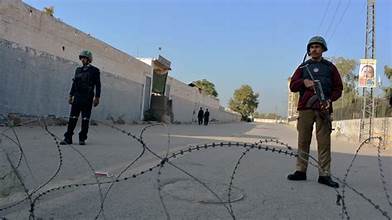
The Istanbul talks, according to the same official, were seen as “a last diplomatic attempt” before Pakistan considers alternative measures, which could include stricter border control, military posturing, or even limited cross-border counterterror operations.
Turkey’s Role as a Mediator
Turkey’s involvement in hosting and mediating the Istanbul talks reflects Ankara’s broader interest in maintaining stability across the Muslim world and its growing diplomatic footprint in South and Central Asia.
Turkish officials reportedly encouraged both sides to adopt confidence-building measures and offered to assist in developing a joint counterterrorism framework. However, their efforts were hampered by the deep mistrust between Islamabad and Kabul.
According to diplomatic sources, Turkey emphasized the need for regional cooperation, noting that instability in Afghanistan could spill over into neighboring countries and threaten wider regional security. Still, despite Ankara’s mediation, no significant breakthrough was achieved.
Regional Implications: A Widening Security Vacuum
The Taliban’s Istanbul hesitation to curb militant activity within their borders carries significant regional implications. Both Pakistan and China have expressed concerns about growing insecurity along the China-Pakistan Economic Corridor (CPEC) routes, particularly in Balochistan, where the BLA has targeted infrastructure projects and foreign workers.
Furthermore, countries in Central Asia fear that unchecked militant networks could destabilize their own border regions. Groups such as the Islamic State Khorasan Province (ISKP) have already exploited Afghanistan’s fragile security environment to expand operations.
Analysts warn that if the Taliban continue to tolerate or ignore the presence of militant sanctuaries, Afghanistan risks becoming a breeding ground for transnational terrorism once again — undoing decades of counterterrorism progress.
Why the Taliban Are Hesitant
The Taliban’s reluctance to act against the TTP and BLA is driven by a mix of political, ideological, and strategic factors:
- Ideological Alignment:
The TTP shares the Taliban’s Deobandi Islamist ideology. Taking action against them could alienate influential Taliban factions sympathetic to their cause. - Internal Fragility:
The Taliban regime, still seeking internal consolidation, fears that targeting TTP-linked elements could spark internal dissent among commanders and tribal leaders. - Leverage Over Pakistan:
Some analysts believe the Taliban view the TTP as a bargaining chip to pressure Pakistan into recognizing their government formally and easing border restrictions. - Lack of International Legitimacy:
The Taliban, facing diplomatic isolation and economic sanctions, are reluctant to appear as subservient to Pakistani or Western demands. Acting against the TTP could be seen internally as bowing to external pressure.
Calls for a Tougher Pakistani Response
Given the lack of progress in Istanbul, Pakistani policymakers are debating a shift toward a more assertive approach. This could include:
- Intensifying military operations along the Durand Line.
- Tightening border controls to restrict cross-border movement.
- Increasing diplomatic engagement with allies such as China, Turkey, and Iran to apply collective pressure on the Taliban.
- Considering targeted counterterrorism measures inside Afghan territory, similar to limited cross-border operations previously conducted by Pakistan’s military.
However, such steps carry significant risks, including potential escalation of tensions and further deterioration of bilateral relations.
International Reaction
Istanbul International stakeholders, including the United Nations and regional powers, have expressed growing concern about Afghanistan’s role in harboring militant groups. The UN Security Council’s recent reports also pointed to the continued presence of foreign terrorist fighters within Afghanistan, noting limited Taliban efforts to dismantle their networks.
Western diplomats have urged both Pakistan and Afghanistan to pursue dialogue but acknowledged that meaningful progress depends on Kabul’s willingness to take tangible steps against groups like the TTP.
A European envoy in Ankara commented,
“Without a credible counterterrorism framework, regional trust cannot be restored. The Taliban need to demonstrate through actions, not words, that they will not tolerate terrorism.”
Conclusion: A Fragile Peace at Risk
The Istanbul talks were expected to mark a new chapter in Pakistan-Afghanistan relations, but instead, they exposed the widening fault lines between the two neighbors. The Taliban’s hesitation to confront militant groups like the TTP and BLA underscores a deeper challenge — their struggle to transition from an insurgent movement to a responsible governing entity.
For Pakistan, patience is wearing thin. As terrorism resurges across its western border, Islamabad faces growing pressure to protect its citizens and interests, even if that means adopting a more unilateral approach.
The failure of the Istanbul dialogue highlights the urgent need for renewed diplomatic engagement, regional coordination, and international support to prevent a return to the instability that once engulfed South Asia. Unless both sides find a path toward mutual trust and practical cooperation, the dream of lasting peace in the region will remain elusive.