 by
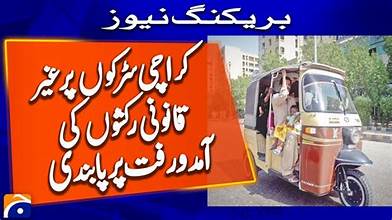
by Karachi, Pakistan’s largest and most congested metropolis, has taken another decisive step in reshaping its traffic landscape. The city authorities have expanded the rickshaw ban to six additional major roads, intensifying a long-debated regulatory push aimed at improving mobility, reducing noise, and enhancing overall traffic discipline. While the move is being praised by some as a necessary stride toward urban modernization, it has also sparked concerns among daily commuters and rickshaw drivers who depend heavily on this mode of transport for their livelihoods.
This comprehensive blog explores the reasons behind the expansion, the roads affected, expected outcomes, stakeholder reactions, potential challenges, and what this means for the future of Karachi’s transportation ecosystem.
A Growing Challenge: Karachi’s Urban Mobility Crisis
Karachi is no stranger to traffic congestion. With a population surpassing 20 million, the city grapples with thousands of new vehicles entering its roads each month. The insufficient public transportation infrastructure, coupled with decades of inconsistent policy enforcement, has led to chronic bottlenecks, unsafe driving conditions, and severe environmental concerns.
Rickshaws—especially the two-stroke versions that remain widely operational despite regulatory restrictions—have been both a blessing and a problem. They offer affordable, flexible mobility for lower and middle-income citizens, yet they are frequently criticized for:
- Flouting traffic rules
- Blocking lanes while waiting for passengers
- Contributing to noise and smoke pollution
- Lacking standardized safety and emissions measures
Authorities have therefore defended the extended ban as a proactive step toward addressing these long-standing issues.
Why the Ban Was Expanded: Key Motives Behind the Decision
The expansion of the rickshaw ban is not an overnight decision. It follows years of policy experimentation and citizen complaints. Several major motives appear to be driving the move:
1. Reducing Traffic Congestion on High-Density Roads
Karachi’s major arteries regularly experience gridlock, especially during peak hours. Rickshaws, due to their smaller size and unpredictable driving patterns, often disrupt the flow of traffic.
2. Enhancing Road Safety
Data from city authorities indicate that a substantial percentage of minor accidents involve either motorbikes or rickshaws. The ban aims to reduce roadside conflicts and improve safety for all commuters.
3. Encouraging Alternative Transport
The city has been slowly pushing for Bus Rapid Transit (BRT) systems and other formal transport networks. Reducing rickshaw activity on specific roads is seen as a way to clear space for dedicated lanes and more efficient mass transit.
4. Environmental and Noise Concerns
Two-stroke rickshaws remain a significant contributor to carbon emissions and noise levels. The ban is part of a broader push to encourage cleaner alternatives.
5. Better Traffic Management and Urban Planning
City planners argue that regulating the movement of informal and semi-formal transport modes is necessary to bring structure to chaotic traffic systems.
The Six Major Roads Included in the Ban
The newly imposed restrictions now apply to six heavily-used major roads in Karachi. Although the exact list may vary slightly depending on further administrative notifications, the bans generally target:
- Shahrah-e-Faisal – Karachi’s busiest corridor connecting the city center with major commercial and airport zones.
- University Road – A crucial route linking academic hubs, residential areas, and commercial districts.
- M.A. Jinnah Road – Historic road with significant commercial traffic and frequent jams.
- Korangi Road – Connecting industrial zones with residential areas, heavily influenced by freight transport.
- II Chundrigar Road Vicinity – The financial district where high-density office movement demands smoother traffic operations.
- Lyari Expressway Adjacent Routes – Supporting feeders that now restrict informal transport to ensure smoother flow.
These roads have long struggled with congestion, and authorities believe that limiting rickshaw operations will enhance mobility.
Rickshaw Ban Timeline: A Gradual Expansion
This decision is not Karachi’s first attempt to regulate rickshaws. Over the years, authorities have:
- Started phasing out two-stroke rickshaws
- Introduced requirements for route permits
- Restricted rickshaws from specific commercial zones
- Enforced noise and emissions testing
The current expansion represents the most extensive restriction yet and signals that the city is moving toward a more structured transportation ecosystem.

Impact on Daily Commuters
The expansion of the rickshaw ban affects thousands of commuters, especially those who depend on rickshaws for last-mile travel or point-to-point convenience.
1. Increased Reliance on Ride-Hailing Services
With rickshaws being barred from these major routes, commuters may shift towards:
- InDriver
- Careem
- Bykea
- SWVL-style private shuttles (where available)
While these alternatives are often more comfortable, they can be more expensive.
2. Longer Walking Distances
Passengers may need to walk further to reach connecting routes where rickshaws are still allowed.
3. Potential Fare Hikes
Reduced availability of rickshaws in certain areas could result in increased fares on allowed roads due to higher demand.
4. Better Traffic Flow for Car and Bus Users
Car owners and bus passengers may benefit from smoother traffic conditions on the banned roads.
Impact on Rickshaw Drivers
Perhaps the group most affected by this policy are the rickshaw drivers themselves—many of whom belong to low-income backgrounds.
1. Loss of Prime Passenger Zones
The banned roads are heavily used by office workers, students, and shoppers, which previously guaranteed drivers a consistent stream of customers.
2. Reduced Daily Earnings
Because rickshaws must now operate on secondary routes, drivers may face lower demand and longer idle times.
3. Increased Fuel Costs Due to Longer Detours
Drivers may need to take longer routes to pick up passengers, affecting already tight profit margins.
4. Pressure to Shift to Electric or Four-Stroke Rickshaws
Some city authorities hint that cleaner, quieter transport options may eventually be allowed back—encouraging drivers to upgrade.
Voices from the City: Public Reaction
The expanded ban has stirred strong reactions across Karachi. Opinions remain divided:
Supporters Say:
- Traffic should become more disciplined
- Major roads will be safer
- Emissions will decrease
- Formal public transport may finally get room to grow
Critics Argue:
- The government should fix existing transport shortages before banning cheaper options
- Livelihoods of rickshaw drivers are at risk
- Alternatives like BRT are insufficient and unreliable
- Women and elderly commuters may face more difficulty
Karachi’s socio-economic diversity ensures that no single solution satisfies everyone, but the city continues to grapple with finding balanced transport policies.
Will the Ban Solve Karachi’s Traffic Problems?
Urban planners emphasize that bans alone cannot fix deep-rooted mobility issues. The success of this policy depends on complementary measures.
1. Strengthening Public Transport
Without reliable alternatives, any restriction on informal transport could backfire. Karachi’s BRT lines, traditional buses, and ride-hailing systems must be expanded and regulated effectively.
2. Upgrading Traffic Signals and Monitoring
Karachi still struggles with malfunctioning signals, poor enforcement, and lack of lane discipline. These problems must also be prioritized.
3. Encouraging Modern Transport Solutions
Electric rickshaws, minivans, and regulated shuttle systems could fill the vacuum left by traditional rickshaws.
4. Ensuring Fair Economic Compensation
Policymakers must consider the economic impact on rickshaw drivers. Subsidized vehicle upgrades, new permit categories, or financial support could help soften the blow.
Economic Implications for the City
A policy shift affecting thousands of transport operators inevitably carries economic consequences:
1. Effects on Oil Consumption
Fewer two-stroke rickshaws may reduce fuel consumption in the long term, improving air quality.https://propakistani.pk
2. Potential Boost to the Automobile and Electric Vehicle Sector
As drivers seek alternatives, demand for:
- Electric rickshaws
- Four-stroke CNG rickshaws
- Small hatchbacks
may rise.
3. Urban Mobility Efficiency
Improved traffic flow could positively impact productivity and business operations—particularly in Karachi’s financial and industrial zones.

Lessons from Other Cities
Karachi is not alone. Several global cities have implemented similar reforms:
- Delhi restricted polluting rickshaws and adopted CNG-based alternatives.
- Bangkok introduced strict traffic regulations for Tuk-Tuks.
- Jakarta gradually replaced outdated rickshaws with cleaner and more regulated vehicles.
These examples show that rickshaw bans can work—but only when paired with strong public transport systems.
Is Karachi Ready for a Modern Transport Transition?
The expanded ban signals that Karachi is attempting to transition into a more structured urban environment. However, key questions remain:
- Does the city have enough buses to compensate?
- Are electric rickshaws viable given the energy crisis?
- Will enforcement be consistent and fair?
- Can vulnerable drivers and passengers adapt smoothly?
The move is a necessary step, but not a complete solution.
Future Outlook: What Comes Next?
Over the next few years, Karachi may see:
1. Wider Adoption of Electric Rickshaws
Environmental pressures and policy incentives could make e-rickshaws more common.
2. Expansion of the BRT Network
New routes and more buses could reduce reliance on informal transport.
3. Better Road Infrastructure
Flyovers, underpasses, and smart traffic systems could support smoother travel.
4. Digitization of Transport Permits
Tech-based tracking could regulate rickshaws more effectively where they are still allowed.
5. Potential Further Restrictions
If this ban succeeds, authorities may expand it to additional zones.
Conclusion: A Transformative Yet Challenging Policy Shift
Karachi’s decision to enforce an expanded rickshaw ban on six major roads is a bold attempt at reshaping the city’s chaotic traffic environment. While the move brings hope for cleaner, faster, and more efficient mobility, it also raises significant social and economic concerns—especially for low-income drivers and daily commuters.
The policy will only succeed if accompanied by:
- Reliable public transport
- Fair economic support for drivers
- Consistent enforcement
- Sustainable, long-term planning
Karachi stands at a critical crossroads. The expanded rickshaw ban could either mark a turning point in urban mobility or become another short-lived policy experiment. The future depends on how effectively the city balances modernization with accessibility, discipline with compassion, and regulation with innovation.