 by
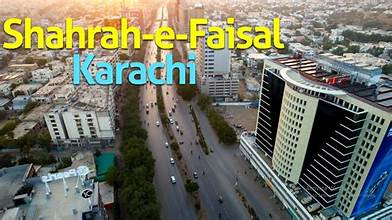
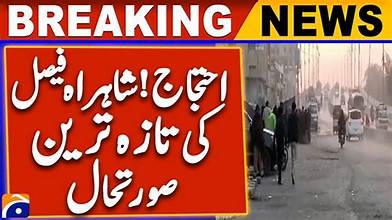
by Karachi, Pakistan’s largest metropolitan city and the commercial heartbeat of the nation, is known for its bustling traffic, diverse communities, and endless urban movement. Among its many iconic roads, Shahrah-e-Faisal stands out as one of the city’s most important and busiest arteries. Stretching from the airport corridor to the heart of the city, it serves as a lifeline for thousands of daily commuters—including a massive population of motorcyclists.
Given the increasing challenges of urban congestion, road safety concerns, and rising traffic violations, the authorities in Karachi have introduced a new rule specifically for motorcyclists using Shahrah-e-Faisal. This decision, aimed at reducing accidents and improving traffic flow, has quickly become a major topic of discussion among residents, commuters, and traffic experts.
In this blog, we delve into the details of the newly announced rule, the reasoning behind it, its expected impact, challenges, reactions from the public, and broader implications for urban mobility in Karachi. As the city evolves, its roads—and the rules governing them—must evolve too. This comprehensive guide will help you understand what the new regulation means for every rider navigating one of Karachi’s most critical roadways.
Shahrah-e-Faisal: The Artery of Karachi
To fully appreciate the significance of the new rule, one must understand the central role Shahrah-e-Faisal plays in Karachi’s transportation network. This long, multi-lane corridor connects Karachi’s industrial zones, commercial districts, and residential areas, linking key locations such as:
- Jinnah International Airport
- Shah Faisal Colony
- Nursery
- Karsaz
- FTC Flyover
- Saddar
Every day, hundreds of thousands of vehicles pass through this road, including private cars, buses, rickshaws, trucks, and—most notably—a massive number of motorcycles.
The Motorcycle Dependency in Karachi
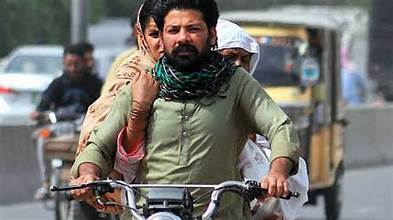
In Karachi, motorcycles are not just a mode of transport; they are a necessity for millions. The city’s population relies heavily on bikes because they are:
- Affordable
- Fuel-efficient
- Quick in congested areas
- Easily maneuverable
- Ideal for short and medium-distance travel
But this heavy dependency also creates challenges. As the number of motorcyclists has increased, so have incidents of accidents, traffic blockages, lane violations, and confusion during peak hours. Shahrah-e-Faisal, being one of the fastest and widest roads in the city, has seen a disproportionate number of road safety incidents involving motorcycles.
The New Motorcyclist Rule: What You Need to Know
Karachi’s traffic authorities have introduced a new regulation that restricts and governs the movement of motorcyclists on Shahrah-e-Faisal. The rule aims to reduce risky driving behavior, improve lane discipline, and enhance overall safety.
While specific details may vary as the rule is implemented, key components include:
1. Assigned Motorcycle Lane
Motorcyclists will now be required to use a designated lane—typically the leftmost lane—when traveling along Shahrah-e-Faisal.
This aims to:
- Minimize dangerous weaving between cars
- Reduce collision risks
- Create structured traffic flow
- Ensure smoother travel for all vehicles
2. Restrictions on Overtaking in Fast Lanes
Motorcycles will be restricted from using high-speed or fast lanes, which are intended for cars and larger vehicles. This will reduce dangerous interactions that often lead to accidents.
3. Speed Limit Enforcement
Strict monitoring of bike speed limits will accompany this rule. Motorcycles often exceed safe speed thresholds, especially during late-night hours, contributing to fatal accidents.
4. Increased Traffic Monitoring
Authorities plan to install more cameras and deploy additional traffic police personnel along the route to ensure compliance.
5. Possible Helmet Checks
Although helmet rules already exist, enforcement may become stricter along Shahrah-e-Faisal as part of the new safety push.
Together, these measures reflect a policy framework geared toward preventing accidents, easing congestion, and promoting disciplined driving.
Why the New Rule Was Introduced
1. Rising Motorcycle Accidents
A considerable percentage of road accidents in Karachi involve motorcycles. Shahrah-e-Faisal, due to its speed-friendly structure, has seen numerous cases of:
- Overspeeding
- Wrong-lane riding
- Sudden lane-switching
- Rear-end collisions
Authorities expect this rule to significantly reduce such incidents.
2. Growing Traffic Congestion
Motorcyclists often weave between cars, creating sudden traffic slowdowns and elevated collision risks. By regulating their lane usage, the city hopes to streamline traffic flow.
3. Public Safety Concerns
Motorcyclists are more vulnerable in accidents than drivers inside cars. Proper regulation ensures better protection for this large segment of commuters.
4. Pressure on Emergency Services
Frequent motorcycle accidents overwhelm emergency response teams. Reducing accident frequency can free valuable resources.
5. Aligning with Modern Urban Policy
Cities around the world, from Bangkok to Jakarta, have adopted similar lane regulations for motorcycles on major highways. Karachi is stepping into a new era of urban road management by implementing a global best practice.
Expected Benefits of the New Rule
1. Improved Road Safety
With defined lanes, motorcyclists will be at lower risk of collisions from larger vehicles. Predictable movement reduces confusion among drivers.
2. Reduced Accidents and Fatalities
By controlling speed and enforcing lane discipline, authorities expect a tangible drop in accident rates.
3. Smoother Traffic Flow
Cars and public transport vehicles often slow down due to unpredictable motorcycle maneuvers. Consistent lane usage will eliminate this disruption.
4. More Comfortable Commute
Whether you drive a bike or a car, orderly traffic improves the travel experience for everyone.
5. Better Emergency Response
Fewer accidents mean ambulances and rescue units can focus on critical emergencies elsewhere in the city.
How Motorcyclists Can Prepare for the Change
The rule might seem like an adjustment at first, but with awareness and preparation, the transition can be smooth.
1. Understand the Lane Markings
Motorcyclists should familiarize themselves with the left-lane placement along the route.
2. Avoid Overtaking in Fast Lanes
Riders must train themselves to stay within the designated lanes to avoid fines and penalties.
3. Follow the Speed Limit
Authorities are expected to begin strict enforcement. Staying within legal speed ranges helps riders avoid punishment and stay safe.
4. Wear Helmets
If enforcement increases, helmets will not be optional. Riders should ensure their helmets meet safety standards.
5. Maintain Motorcycles
Good brakes, proper lighting, and functional indicators become even more important when lane discipline is enforced.
Challenges in Implementation
Even well-planned rules come with challenges, especially in a city as large and complex as Karachi.
1. Public Awareness Gap
Not all riders may know or understand the new rule initially. Awareness campaigns will be essential.
2. Inconsistent Compliance
Many motorcyclists may resist the rule or temporarily ignore it, especially during rush hours.
3. Monitoring Capacity
Karachi’s traffic authorities may struggle to monitor every section of Shahrah-e-Faisal.
4. Infrastructure Limitations
Some parts of the road may need fresh lane markings, barriers, or signage.
5. Resistance from Riders
Motorcyclists may argue that using only one lane slows them down, especially during peak traffic hours.
Addressing these challenges will require a mix of enforcement, public communications, and thoughtful infrastructure improvements.
Reactions from the Public
Motorcyclists’ Perspective
Mixed reactions have emerged:
- Supportive riders appreciate the focus on safety.
- Some oppose the move, fearing congestion in a single lane.
- Others believe enforcement may be unfair or inconsistent.
Car Drivers
Many car drivers welcome the rule because motorcycles often disrupt traffic flow or cause sudden slowdowns.
Traffic Experts
Urban planners and road safety analysts mostly support the policy:
- It is consistent with international best practices.
- It helps reduce fatalities.
- It encourages a safety-first culture.
General Public
Overall, the public sees the rule as a necessary step toward modernizing Karachi’s chaotic traffic environment.
The Role of Traffic Police and Authorities
Traffic enforcement agencies have a major role to play in ensuring the rule’s success:
1. Conducting Awareness Campaigns
Public awareness must reach:
- Schools
- Universities
- Markets
- Social media platforms
- Transport stands
2. Clear Signage Installation
The government must install:
- Visible lane markings
- Instructional boards
- Reflective signage for night-time visibility
3. Issuing Warnings Initially
Instead of immediate fines, authorities may adopt a “warning first” policy during the initial transition phase.
4. Strict Penalties After Grace Period
Once awareness is widespread, penalties will help enforce discipline.
Long-Term Impact on Karachi’s Traffic Culture
If implemented effectively, the new rule can spark positive changes beyond Shahrah-e-Faisal.
1. Improved Driving Culture
Enforcing lane discipline may inspire similar regulations on other major roads.
2. Fewer Hospital Emergencies
Reduced accidents mean fewer injuries and fatalities, easing pressure on healthcare facilities.
3. Economic Benefits
Improved traffic flow saves time and fuel, boosting productivity.
4. Better Public Perception
Residents are more likely to appreciate and trust traffic authorities when they notice tangible improvements.
5. Steps Toward a Smarter City
This rule paves the way for:
- Intelligent traffic systems
- Automated enforcement
- Smart road infrastructure
Karachi could see a modern transformation in public mobility.
A New Road Safety Vision for Karachi
The introduction of the new motorcyclist rule reflects a larger vision for Karachi’s transportation future. It acknowledges that:
- Roads must serve everyone safely.
- Public transport and private mobility must be balanced.
- High-speed corridors need clear regulations.
- Cities grow, and so must their traffic rules.
The safety of millions relies on well-managed roads. With proper planning and enforcement, this rule could be the beginning of Karachi’s broader journey toward a safe, efficient, and modern urban mobility ecosystem.
Conclusion
The decision to introduce a new motorcyclist rule for Shahrah-e-Faisal marks a significant step in reshaping Karachi’s traffic environment. With a focus on safety, discipline, and modern regulation, authorities aim to reduce accidents, ease congestion, and set new standards for responsible road usage.
The success of this rule will depend heavily on awareness, enforcement, and cooperation among riders and drivers alike. While challenges may arise, the long-term benefits—in safety, efficiency, and quality of life—are undeniable.
If Karachi continues to implement intelligent traffic policies like this one, the city can gradually reduce road chaos, enhance daily commuting, and move closer to becoming a truly modern metropolis. The new rule is more than a regulation—it’s a commitment to safer roads, better travel, and a smarter city for future generations.