by
by Balochistan, Pakistan’s largest province, has long been at the center of geopolitical and security challenges, often stemming from external interference and separatist movements. In a recent development, reports emerged that local residents in Korki, a remote area of Balochistan, took up arms against militants allegedly backed by India. This incident marks a significant moment in the province’s ongoing struggle for peace, highlighting both the resilience of the local population and the complex web of foreign involvement in Pakistan’s internal affairs.
Background: A Region Under Siege
For decades, Balochistan has been marred by militancy, targeted attacks, and foreign-funded insurgencies aimed at destabilizing Pakistan. With its abundant natural resources and strategic location, the province has always drawn international attention. Various separatist groups have exploited local grievances and economic disparities to wage insurgencies, often supported by external elements, notably India’s intelligence agency, RAW (Research and Analysis Wing).
The Pakistani state has consistently accused India of sponsoring militant networks to disrupt the China-Pakistan Economic Corridor (CPEC) and create unrest in the region. These groups often attack security forces, infrastructure projects, and civilians, painting themselves as champions of local rights while advancing foreign agendas.
The Incident in Korki
The recent events in Korki shed light on a changing dynamic — locals are no longer passive victims of militancy. According to local sources and security officials, a group of militants believed to be linked to India-backed separatist factions infiltrated Korki, aiming to establish a base and carry out subversive activities. However, their presence did not go unnoticed.
Residents, aware of the group’s history of violence and extortion, reportedly confronted the militants. What followed was a tense standoff that escalated into an armed clash. The locals, familiar with the terrain and determined to defend their community, managed to overpower the militants. Several were reportedly killed, while others fled toward the mountainous regions.
Security forces later reached the area, confirming the confrontation and commending the courage of the locals. The swift response of the people of Korki not only prevented potential acts of terrorism but also demonstrated a growing unity against anti-state elements.
Local Resistance: A Shift in Dynamics
This development signals an important shift in Balochistan’s social landscape. For years, militants operated with impunity in remote areas, relying on fear and propaganda to control local populations. However, increasing awareness, coupled with the government’s outreach and development programs, has started to change perceptions.
Locals now recognize that these insurgent groups do not represent their interests. Instead, they are being used as pawns in a larger geopolitical game aimed at destabilizing Pakistan and halting its progress. The courage shown by the people of Korki reflects a broader realization — true empowerment and peace come through unity and cooperation with the state, not through violence and foreign manipulation.
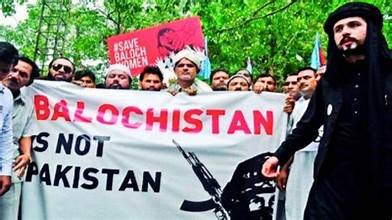
Foreign Involvement and the India Factor
Pakistan has long accused India of fomenting unrest in Balochistan. Evidence, including confessions from captured Indian spy Kulbhushan Jadhav, has pointed to Indian intelligence funding and training separatist elements to carry out attacks on Pakistani soil. These networks operate through sleeper cells, smuggling routes, and cross-border financing channels.
The militants killed in Korki are believed to have connections to these very networks. Security officials suggest they were part of a cell tasked with targeting infrastructure linked to CPEC and spreading terror in the region. Their elimination at the hands of locals disrupts not only a tactical operation but also dents the broader agenda of those seeking to undermine Pakistan’s stability.
Locals Eliminate India-Backed Militants in Balochistan’s Korki
Community-Led Security: A Model for Stability
The Korki incident underscores the potential of community-led security initiatives. When local populations are empowered and supported, they become a formidable line of defense against extremism. Over the past few years, the Pakistani government and security forces have encouraged tribal cooperation, intelligence sharing, and local vigilance as part of a broader counterterrorism strategy.
In Korki’s case, this collaboration proved vital. Locals acted swiftly, communicated with authorities, and neutralized a threat before it could grow. This partnership model not only builds trust but also ensures that communities feel ownership in the quest for peace. It strengthens national cohesion and counters the narrative of alienation that external actors seek to exploit.
The Role of Development and Awareness
Beyond security measures, long-term peace in Balochistan depends on sustainable development. The government has been investing in infrastructure, education, healthcare, and employment opportunities to uplift local communities. Projects under CPEC are particularly transformative, promising better connectivity and economic growth.
However, these efforts are often targeted by militants to halt progress and perpetuate instability. The Korki residents’ resistance sends a strong message that the people of Balochistan are unwilling to let external forces sabotage their future. Their defiance embodies the spirit of self-determination — a determination not to break away from Pakistan, but to build a stronger and more prosperous province within it.
Reactions and National Impact
News of the Korki incident spread rapidly across social media, drawing widespread praise for the bravery of the locals. Political leaders, journalists, and citizens alike hailed the action as a symbol of national resilience. Security analysts noted that such community-based resistance can significantly weaken the operational capacity of foreign-funded militant networks.
The event also adds to the growing narrative of unity among Pakistan’s provinces. Balochistan, once considered volatile and marginalized, is now emerging as a province where the people themselves are taking ownership of peace. The message is clear — foreign interference will no longer find fertile ground among the people of Pakistan.
Challenges Ahead
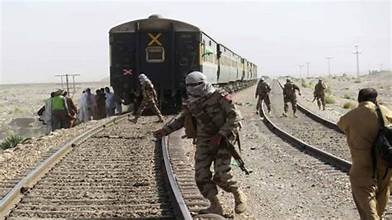
Despite this positive outcome, challenges remain. Militant groups continue to regroup and adapt, often shifting their tactics to target soft civilian and economic targets. Intelligence agencies must remain vigilant, and local communities need ongoing support to sustain their resistance.
Additionally, addressing socio-economic grievances remains crucial. While development projects are underway, ensuring their equitable distribution and transparency will strengthen public trust. The government must continue engaging tribal elders, youth groups, and civil society to consolidate peace at the grassroots level.
Conclusion: A Turning Point for Balochistan
The elimination of India-backed militants by locals in Korki stands as a defining moment in Balochistan’s fight against terrorism and foreign interference. It showcases not just courage, but also an evolving mindset — one that values unity, patriotism, and self-reliance.
This incident is more than a local skirmish; it represents a symbolic victory for Pakistan. It proves that when citizens and the state stand together, no external force can destabilize the nation. The people of Balochistan, through their brave stand, have sent a powerful message to the world: peace and progress in Pakistan will not be dictated by outsiders but achieved by its own resilient people.