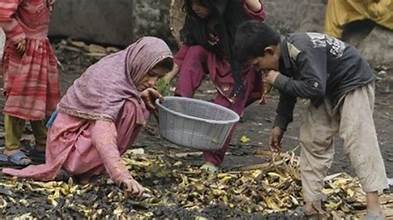
 by
by Karachi Massive Water Shortfall Expected in Karachi Following Dhabeji Malfunction, Pakistan’s largest metropolitan city and the financial backbone of the country, is once again standing on the brink of a severe water crisis. A major malfunction at the Dhabeji Pumping Station — the city’s largest and most critical water supply facility — has sparked widespread concern among residents, businesses, and civic authorities alike. With millions relying on Dhabeji for their daily water supply, the sudden breakdown has set off alarms, prompting fears of an impending water shortfall that could stretch across several days or even weeks if not addressed swiftly.
The Dhabeji Pumping Station, located east of Karachi, is responsible for delivering the bulk of the city’s potable water through its powerful motors and pipeline systems. When any of its key components fail, the ripple effect is felt almost instantly across the city’s neighborhoods. The latest malfunction has done just that, leaving the Karachi Water and Sewerage Corporation (KWSC) scrambling to implement emergency measures and communicate with an understandably frustrated public.
In this detailed analysis, we explore the background of the Dhabeji system, the causes and consequences of the malfunction, its impact on Karachi’s water supply chain, the government’s response, and what it means for the future of water security in the metropolis.
Understanding the Dhabeji System — The Heart of Karachi’s Water Supply
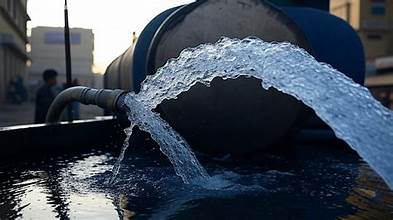
To appreciate the gravity of the crisis, one must first understand the importance of Dhabeji in Karachi’s water distribution network. The pumping station serves as the primary point of water transmission from the Indus River to Karachi. is channeled through massive pipelines, pushed by powerful motors, and then sent across the city, supplying millions of households, industries, hospitals, and commercial hubs.
Dhabeji typically operates with multiple high-capacity pumps, each capable of moving tens of millions of gallons of water per day. These pumps work in synchronization to maintain pressure levels and ensure uninterrupted flow through the city’s intricate supply lines.
Any disruption — whether due to electrical faults, mechanical breakdowns, motor failures, pipeline bursts, or external damage — can place immediate strain on the system. Unfortunately, the pumping station has long been plagued by outdated machinery, irregular maintenance cycles, and periodic strain caused by Karachi’s expanding population.
The latest malfunction is yet another reminder of the aging infrastructure that struggles daily to support a city of over 20 million people.
What Caused the Malfunction?
Preliminary reports suggest that the issue originated from a motor failure within one of the main pumping units. These motors, which operate continuously around the clock, are prone to overheating and mechanical stress — especially when the infrastructure they’re connected to is decades old.
In some cases, the causes are linked to:
- Electrical surges that damage internal coils
- Overheating due to prolonged runtime and inadequate cooling systems
- Wear-and-tear of internal components that have not been routinely serviced
- Aging pipelines that exert back pressure on pumps
- Insufficient backup systems, forcing remaining pumps to work beyond safe capacity
While KWSC officials have assured the public that repair teams are already at work, the magnitude of the malfunction suggests that restoration of full functionality could take longer than expected.
Moreover, Dhabeji breakdowns are not isolated incidents. Over the past decade, multiple failures have occurred, indicating a systemic issue that requires long-term infrastructural upgrades rather than temporary fixes.
Immediate Impact on Citywide Water Supply
With one or more major pumps non-operational, the city is projected to face a massive shortfall in its daily water quota. Karachi already struggles to meet its estimated demand of around 1,100 million gallons per day (MGD), often receiving only 550–600 MGD, far below what is needed.
A malfunction at Dhabeji could slash this supply even further, potentially reducing the city’s intake by 50–100 MGD or more, depending on the extent of the damage. In practical terms, this means:
- Longer water distribution gaps in residential areas
- Delayed tanker services as demand skyrockets
- Reduced availability in low-lying and underserved localities
- Difficulties for hospitals and healthcare centers
- Operational challenges for industries dependent on continuous water supply
- Increased dependence on costly private water tankers
Areas that already receive water after intervals of 48 to 72 hours may now see delays extending to four to five days or longer.
Residential Areas Already Feeling the Heat
Reports from across the city indicate that multiple neighborhoods have already begun experiencing low pressure or complete lack of supply. From Gulshan-e-Iqbal and Gulistan-e-Jauhar to North Karachi, Baldia, Malir, Korangi, Surjani Town, and Clifton, residents are voicing their concerns.
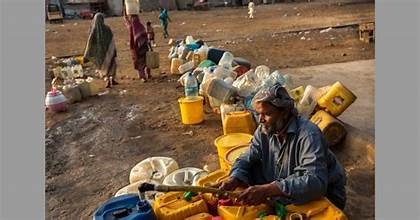
Many families who rely on water tankers for supplemental supply now find themselves competing with thousands of other households reacting to the crisis. Private tanker operators, sensing the rising demand, often raise prices during such breakdowns — creating additional financial pressure on affected residents.
Low-income areas such as Lyari, Orangi Town, Kemari, and parts of Landhi are particularly vulnerable, as many already face chronic water scarcity even under normal circumstances.
Industrial Sector on High Alert
Karachi’s industrial zones — including the Korangi Industrial Area, SITE, Landhi Export Processing Zone, and Port Qasim — depend heavily on consistent water supply for manufacturing and processing operations. A prolonged drop in water availability could:
- Halt production lines
- Increase operational costs
- Affect export commitments
- Result in workforce downtime
Industrial representatives often urge authorities to prioritize supply to large-scale industries, warning that production shutdowns can have cascading economic consequences.
Tanker Mafia Re-Emerges During Crisis
Whenever supply shortages occur, private water tanker operators, commonly referred to as the “tanker mafia,” become a critical — yet problematic — alternative for residents. Though they provide necessary services, price gouging becomes rampant during emergencies.
In some recent breakdowns, tanker prices have surged by 50% to 100% within hours of the malfunction. Residents fear similar exploitation in the current crisis, especially if repairs at Dhabeji take longer than projected.
Authorities have repeatedly vowed to crack down on illegal hydrants and unregulated tanker operations, but the effectiveness of these measures remains questionable.
Government and KWSC Response
Officials from the Karachi Water and Sewerage Corporation have acknowledged the severity of the situation and assured the public that repair teams are working around the clock. Emergency teams have already begun replacing damaged components, recalibrating pressure levels, and attempting temporary bypass solutions to maintain minimal flow.
Authorities have also appealed to residents to conserve water, emphasizing responsible usage during the crisis.
However, many citizens remain skeptical. Past incidents have seen similar assurances, only to be followed by days of continued shortages. Transparency in communication, timely updates, and clear timelines are critical to maintaining public trust during such emergencies.
Root Causes — A Decades-Old Water Infrastructure Crisis
While the Dhabeji malfunction may appear as a singular event, it highlights deeper systemic issues that have long plagued Karachi’s water supply chain. These include:
1. Outdated Pumping Systems
Much of Dhabeji’s machinery is decades old, operating far beyond its ideal service lifespan.
2. Overburdened Water Pipelines
Population growth has outpaced infrastructural expansion, leading to excessive pressure on existing pipelines.
3. Lack of Preventive Maintenance
Maintenance is often reactive rather than proactive, causing frequent breakdowns.
4. Power Supply Instability
Intermittent electricity supply can damage sensitive pump motors.
5. Illegal Water Hydrants
Widespread theft and illegal consumption divert significant volumes from legitimate distribution channels.
6. Political and Administrative Delays
Long-term projects or upgrades are often delayed due to administrative hurdles or lack of coordinated policy implementation.
Long-Term Solutions — What Karachi Needs Now
To prevent recurring crises, experts propose several long-term interventions:
✔ Modernizing Dhabeji and Other Pumping Stations
Full replacement of outdated motors, pipelines, and electrical systems is essential.
✔ Expanding Water Treatment and Transmission Capacity
New pumping lines and additional filtration units must be built to meet growing demand.
✔ Curbing Illegal Hydrants
Strict action against water theft can save millions of gallons per day.
✔ Introducing Smart Water Management Systems
Automation, digital monitoring, and early-fault detection systems can help prevent outages.
✔ Investing in Desalination Plants
Karachi’s coastal location gives it the advantage of using seawater for large-scale desalination.
✔ Public Awareness and Conservation Campaigns
Residents must be encouraged to adopt water-saving habits, especially during high-demand seasons.
Social Impact — The Human Side of the Crisis
Beyond statistics and technical faults lies the human impact of the water shortage. Water is not just a commodity — it is a basic necessity that shapes the quality of life. For many Karachi residents:
- It dictates hygiene standards
- It affects children’s health
- It determines women’s daily responsibilities
- It shapes community stress levels
- It influences local business activities
A malfunction like the one at Dhabeji therefore has implications far beyond engineering — it touches every corner of emotional, physical, and economic well-being.
What Residents Can Do During the Shortage
While the crisis unfolds, residents can adopt temporary measures to minimize disruption:
1. Conserve Water Wisely
Use buckets for bathing, wash dishes efficiently, and avoid unnecessary wastage.
2. Store Water Safely
Keep clean, covered storage containers on hand for emergencies.
3. Prioritize Essential Usage
Limit car washing, excessive gardening, or other non-essential activities.
4. Report Leakages
Any leaks in public pipelines or neighborhood lines should be reported to KWSC immediately.
5. Stay Updated
Follow official updates from the KWSC and city administration for restoration timelines.
Conclusion — A Wake-Up Call for Karachi’s Water Future
The massive water shortfall expected from the Dhabeji malfunction is more than just another event in Karachi’s long history of water crises — it is a wake-up call. The city cannot continue relying on outdated systems to support a rapidly growing population. Sustainable solutions, infrastructural upgrades, and policy reforms are urgently needed to secure the city’s future.
Until then, Karachi’s Dhabeji Malfunction residents will continue to endure periodic shortages, rising tanker prices, and the daily stress that comes from living in one of the world’s largest cities without reliable access to water. The hope now rests on swift repairs, transparent communication, and long-term planning that can finally break the cycle of crisis.