 by
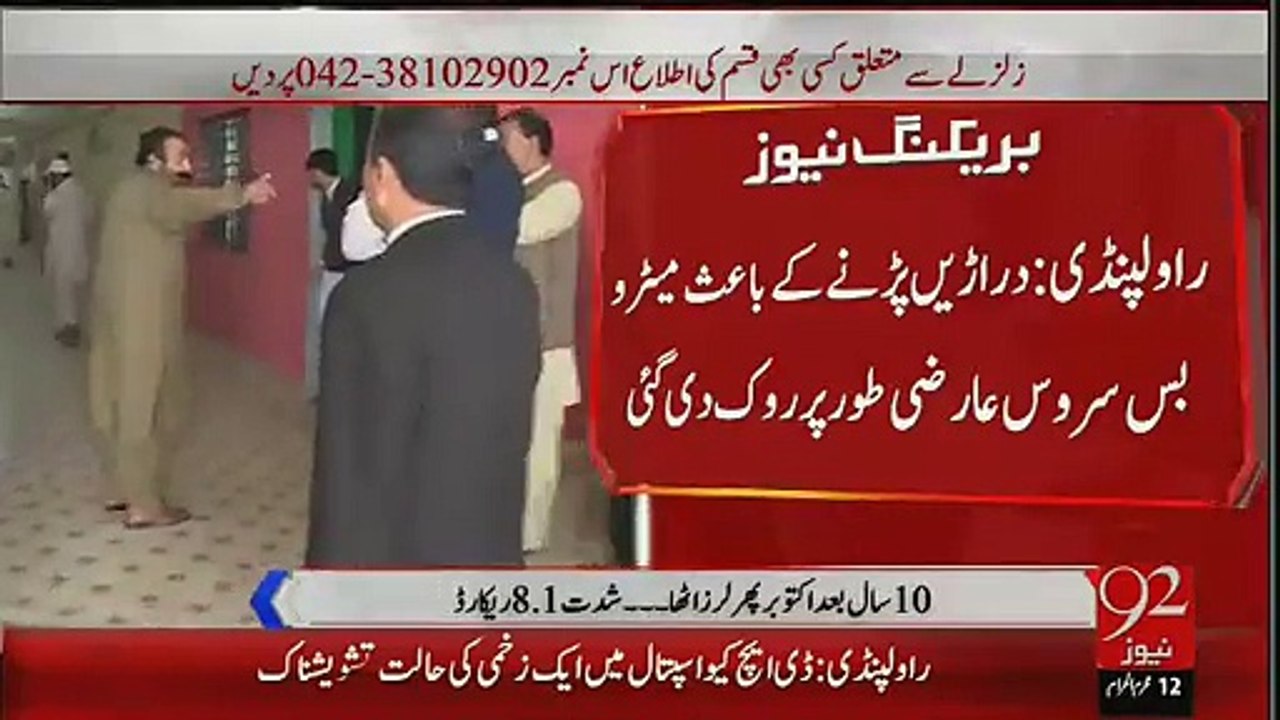
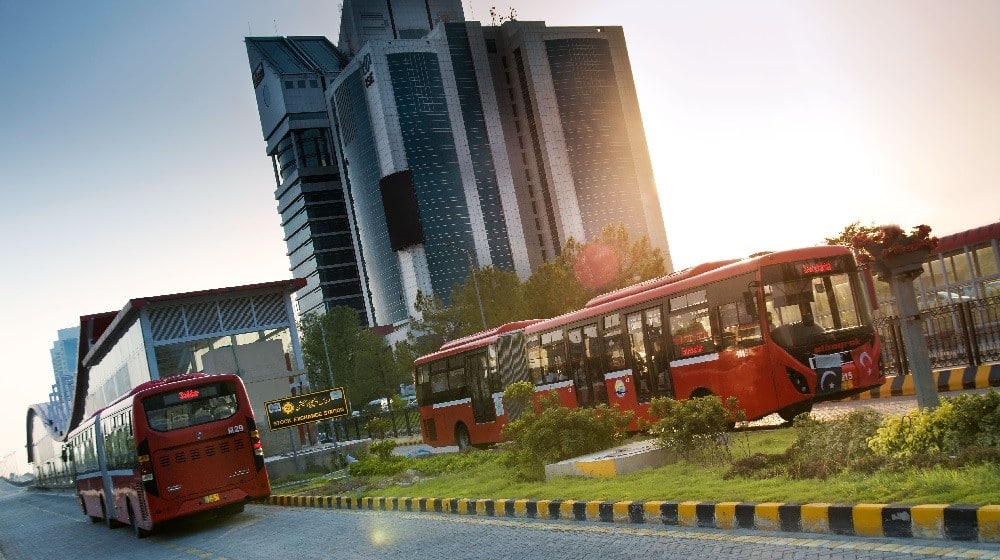
by The suspension of the Metro Bus Service in Rawalpindi has caused significant disruption for thousands of daily commuters who rely on this affordable and efficient mode of transportation. The sudden halt has raised concerns among the public, as the service is a crucial link between Rawalpindi and Islamabad, connecting students, office workers, and other passengers to their destinations on time.
Reasons Behind the Suspension
Authorities have cited technical issues as the primary reason for the suspension. Maintenance and safety checks are necessary to ensure smooth operations, but the lack of timely communication has frustrated passengers. While some sources suggest that mechanical faults in the fleet prompted the decision, others indicate that operational delays due to ongoing construction in certain areas may also be a factor.
The Metro Bus Service, launched to ease traffic congestion and provide affordable transportation, has been operating successfully for several years. However, technical faults, fuel shortages, and infrastructure repairs have occasionally disrupted the service in the past.
Impact on Daily Commuters
The sudden suspension has created challenges for thousands of passengers. Many office-goers had to turn to private taxis, ride-hailing apps, or local vans, which not only increased their travel expenses but also took more time due to traffic congestion on key roads.
Students, who often rely on the Metro because of its low cost, found themselves stranded at bus stations, with no prior notice about the suspension. Small business owners and shopkeepers also reported fewer customers in certain areas due to reduced movement between Rawalpindi and Islamabad.
For many residents, the Metro Bus Service is more than just a mode of transport—it’s a lifeline. Its suspension underscores the need for backup arrangements and efficient communication channels between transport authorities and the public.
Economic and Social Repercussions
Public transportation plays a vital role in urban mobility, and any disruption has a direct economic impact. Ride-hailing fares surged due to higher demand, adding financial strain on daily wage earners and low-income families.
Socially, the suspension has caused frustration and stress, especially for people with fixed work schedules or urgent commitments. Women, elderly passengers, and differently-abled individuals—who depend on the safety and accessibility of the Metro—were particularly affected.
Public Response and Complaints
Social media platforms were quickly flooded with complaints and queries from frustrated passengers. Many criticized the lack of advance notice and questioned the preparedness of authorities to handle emergencies. Suggestions poured in, ranging from alternative shuttle services to better maintenance scheduling during off-peak hours.
Transport experts and civic activists emphasized the need for proactive maintenance and transparent communication. They argue that while technical issues are sometimes unavoidable, public inconvenience can be minimized with better planning.
Authorities’ Statement
Officials have assured the public that repair and maintenance work is underway and that the service will resume soon. However, no specific date has been announced, which has left commuters uncertain about making future travel plans. The Punjab Mass Transit Authority (PMTA) stated that passenger safety is their top priority and that they are committed to restoring operations as quickly as possible.
The Way Forward
To prevent such disruptions in the future, transport authorities must implement:
- Preventive Maintenance: Regular inspections and timely replacement of worn-out parts to reduce the risk of sudden breakdowns.
- Advance Communication: Use of social media, mobile alerts, and station announcements to inform passengers about any planned or unplanned service disruptions.
- Alternative Transport Arrangements: Providing temporary shuttle buses or partnering with private operators to bridge gaps during service suspensions.
- Public Feedback Mechanisms: Creating easy channels for passengers to report issues and share suggestions.
Conclusion
The Metro Bus Service in Rawalpindi has been a game-changer for urban transportation, offering affordable, safe, and efficient travel for thousands. Its sudden suspension highlights the vulnerability of relying solely on a single mode of public transport. While authorities are working to resolve the current issue, the incident serves as a reminder of the importance of preventive measures, effective communication, and contingency planning.
Restoring public trust will require not only a quick resumption of the service but also visible improvements in how disruptions are managed in the future. For now, commuters continue to face daily challenges, hoping that the familiar red and green buses will soon be back on the roads, carrying them swiftly to their destinations once again.