 by
by The revelation that nearly 4,400 individuals in Italy have suffered abuse at the hands of clergy members has shaken one of the world’s most religious nations to its core. This tragic and deeply disturbing statistic highlights a decades-long pattern of silence, denial, and institutional failure within the Catholic Church—an institution that has long been considered the moral compass of society. The findings have triggered public outrage, renewed calls for accountability, and soul-searching across the nation as Italy confronts a scandal that many had suspected but few fully understood in its magnitude.
The Shocking Findings
A newly released report has documented nearly 4,400 cases of abuse by clergy members in Italy, spanning more than 70 years. The investigation, which was the result of collaboration between independent researchers and survivors’ groups, represents one of the most comprehensive examinations of clerical abuse ever conducted in the country.
According to the data, most of the victims were minors, many of them children between the ages of 8 and 15. The majority of cases occurred in parishes, orphanages, boarding schools, and church-run institutions. The abuses ranged from sexual harassment and molestation to severe and repeated acts of rape.
The report also reveals a consistent pattern of cover-ups by senior church officials. Many priests accused of abuse were quietly transferred to other dioceses rather than reported to civil authorities. In some cases, victims were silenced through threats or pressure from their families and communities, which were often deeply tied to the Church.
A Culture of Silence and Denial
For decades, Italy, despite being home to the Vatican, had managed to avoid the same level of public scrutiny over clerical abuse that countries such as the United States, Ireland, France, and Germany have faced. This was largely due to a powerful culture of silence and reverence surrounding the Church.
The Catholic Church in Italy enjoys an immense influence over education, politics, and social life. As a result, victims and their families often felt powerless to speak out. Many feared ostracism, disbelief, or even retaliation. The Church’s moral authority, combined with the cultural tendency to avoid public criticism of religious figures, allowed predators to operate unchecked for decades.
Furthermore, Italian law until recently made it difficult to prosecute cases of sexual abuse that occurred decades earlier, effectively protecting many perpetrators from legal consequences. It wasn’t until international outrage and pressure from survivor organizations grew that Italy began to confront the issue openly.
Victims Speak Out
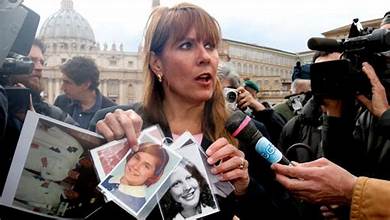
One of the most powerful aspects of the recent report is that it centers the voices of survivors—many of whom have lived with trauma for most of their lives. Their testimonies expose the devastating emotional, psychological, and spiritual toll that the abuse inflicted.
Some survivors described how they were groomed by priests they trusted, often in environments meant to nurture faith and guidance. The betrayal they experienced from figures they once revered left them struggling with lifelong guilt, depression, and loss of faith.
“I was 10 years old when it happened,” said one survivor. “He told me it was God’s love. For years, I thought I was the sinner.”
Such accounts underscore not only the personal damage inflicted by the abuse but also the broader betrayal of trust within communities where the Church was seen as a pillar of morality and care.
The Role of the Vatican
While the Vatican has faced numerous scandals over the years, this revelation has intensified pressure on the Holy See to take concrete action regarding abuse within the Italian Church. Pope Francis, who has made combating sexual abuse a central part of his papacy, has repeatedly called for “zero tolerance” toward abusive clergy.
However, critics argue that while words and apologies are important, real change requires transparency, accountability, and justice. The Vatican’s handling of previous cases has often been criticized for being slow, opaque, and focused on protecting the institution rather than the victims.
In response to the latest findings, several senior Vatican officials have acknowledged the scale of the crisis and promised full cooperation with civil investigations. Yet, survivors’ groups remain skeptical, pointing out that promises of reform have been made many times before without substantial follow-through.
Government and Public Reaction
The Italian government has also been drawn into the debate. Prime Ministerial and parliamentary officials have expressed outrage, calling the report “a national tragedy” and emphasizing the need for stronger laws to protect children and ensure accountability within religious institutions.
Several lawmakers have proposed establishing an independent truth commission to investigate abuse across all dioceses, similar to the models used in countries like France and Australia. Such an initiative would represent a major cultural shift for Italy, where the Church has traditionally wielded enormous influence over political and social matters.
Public reaction has been a mix of grief, anger, and disbelief. While many Catholics continue to hold deep respect for their faith, there is a growing recognition that protecting the Church’s image can no longer come at the expense of justice for victims.
A Global Pattern of Clerical Abuse
The Italian scandal adds to a long list of similar revelations around the world. In the United States, over 10,000 victims have been identified in investigations since the early 2000s. In France, an independent inquiry estimated that around 330,000 children were sexually abused by priests and church officials between 1950 and 2020. Germany and Ireland have reported similarly devastating findings.
This global pattern points to systemic failures within the Catholic Church’s structure—particularly its hierarchical nature, culture of secrecy, and emphasis on institutional protection over moral responsibility.
What makes the Italian case particularly significant is that it happens in the heart of Catholicism. The proximity to the Vatican makes it impossible for Church leaders to claim ignorance or distance themselves from the consequences of decades of denial.
The Path to Healing and Justice
Healing from such widespread trauma will take generations. For many survivors, justice does not only mean punishing perpetrators—it means acknowledgment, validation, and institutional reform.
Survivor networks have demanded financial compensation, public apologies, and access to psychological support services. They are also calling for reforms in how the Church trains priests, handles allegations, and interacts with law enforcement.
Experts emphasize that healing must also involve education and prevention. Catholic schools, seminaries, and youth programs need to foster environments of transparency, where abuse can be reported safely without fear of retaliation.
The Church must also reevaluate its internal discipline system, which often prioritizes repentance over punishment. Real accountability means ensuring that abusers face the full force of civil law, not just ecclesiastical sanctions.
Faith and Accountability Can Coexist
It is crucial to note that confronting clerical abuse does not mean attacking faith itself. Many Catholics worldwide have been at the forefront of demanding transparency and justice. They believe that the only way to restore the moral authority of the Church is through truth and accountability.
Faith, at its core, is about compassion, justice, and protection of the vulnerable. The silence that allowed these abuses to continue was a betrayal of those values. By facing the truth courageously, Italy and the Church have a chance to rebuild trust and renew faith in its truest sense.
Conclusion
The revelation that nearly 4,400 people were abused by clergy members in Italy marks a painful chapter in the nation’s history—and in the history of the global Catholic Church. Yet it also represents a turning point. For too long, survivors have been silenced and shamed. Today, their voices are being heard, and the world is listening.
True redemption for the Church will not come from words alone but from concrete actions: cooperation with investigations, protection of future generations, and unwavering support for those who suffered unimaginable pain. Only through justice and truth can faith find its way back into the hearts of those it once betrayed.