 by
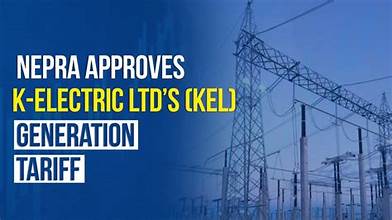
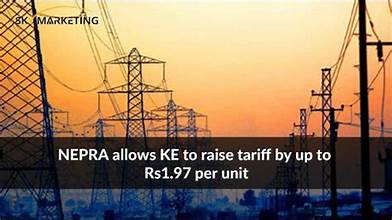
by The National Electric Power Regulatory Authority (NEPRA) has announced a significant reduction in K-Electric’s base tariff, cutting it by Rs7.6 per unit to Rs32.37. This decision marks a major development for Karachi’s electricity consumers, many of whom have long struggled with escalating power bills amid rising inflation and stagnant wages. The move is being hailed as a much-needed relief for residents and industries in the country’s largest metropolitan area, though experts caution that it may come with complex implications for the power sector’s financial stability.
Understanding NEPRA’s Decision
The reduction in K-Electric’s base tariff is part of NEPRA’s broader efforts to realign electricity prices across the national grid and ensure affordability while maintaining financial viability within the power sector. The Rs7.6 per unit reduction follows months of deliberation and public hearings where consumer groups, industry representatives, and K-Electric officials presented their arguments.
NEPRA’s final determination cites adjustments in generation costs, fuel prices, and overall financial performance as key factors behind the tariff cut. According to the regulator, the decision was reached after reviewing K-Electric’s revenue requirements and the impact of recent changes in the power purchase agreements.
The new tariff of Rs32.37 per unit will take effect after formal notification by the government, following which K-Electric will revise its billing system accordingly.
Relief for Consumers Amid Economic Strain
For the people of Karachi, this tariff reduction couldn’t have come at a better time. Pakistan is grappling with double-digit inflation, rising food prices, and high fuel costs that have eroded purchasing power. Electricity bills, particularly during the summer months, have become a significant financial burden on households.
With this Rs7.6 per unit cut, the average consumer is expected to see a noticeable drop in monthly electricity expenses. For instance, a household consuming 300 units per month could save over Rs2,000, depending on the final implementation details.
Small business owners, too, have expressed cautious optimism. Many workshops, shops, and small factories in Karachi rely heavily on electricity and have been struggling to manage operating costs amid the city’s frequent power outages and fluctuating tariffs. The reduction offers a breather for these sectors, potentially easing the cost of doing business in the city.
Impact on Industrial Consumers
Karachi’s industrial sector, which includes textile, manufacturing, and service industries, stands to benefit substantially from the tariff revision. Lower energy costs can translate into reduced production expenses, improving competitiveness in both domestic and export markets.
Industrialists have welcomed NEPRA’s move, calling it a step toward rationalizing power costs across the country. They have long argued that inconsistent and high electricity prices in Karachi put local businesses at a disadvantage compared to industries operating in other provinces.
However, some analysts point out that while the immediate benefit is clear, long-term effects will depend on how K-Electric manages its financial sustainability. A lower tariff could squeeze the utility’s revenue margins, potentially affecting its capacity to invest in infrastructure upgrades, grid maintenance, and renewable energy initiatives.

K-Electric’s Response
In response to NEPRA’s decision, K-Electric issued a statement acknowledging the regulatory authority’s verdict and reaffirming its commitment to providing reliable electricity to Karachi. The utility emphasized that it remains focused on improving service quality, investing in modernization, and aligning its operations with national energy goals.
K-Electric also highlighted the challenges it faces, including delayed payments from government departments, fluctuating fuel costs, and rising capacity charges from power producers. The company expressed hope that the government would support it in maintaining operational efficiency while ensuring affordability for consumers.
Industry experts note that tariff adjustments are part of a delicate balancing act — one that must reconcile consumer affordability with utility sustainability. NEPRA’s decision, therefore, reflects an effort to achieve this balance amid ongoing financial challenges in the energy sector.
Economic and Political Dimensions
The timing of NEPRA’s decision carries both economic and political significance. With inflationary pressures persisting and public discontent over high electricity bills growing, the tariff reduction provides the government with an opportunity to demonstrate responsiveness to public concerns.
At the same time, it signals the regulator’s independence and willingness to make evidence-based decisions. By lowering K-Electric’s base tariff, NEPRA aims to ensure that Karachi’s electricity consumers are not unfairly burdened by inefficiencies or excessive costs in the supply chain.
From a macroeconomic perspective, reducing power tariffs could have a modest positive impact on inflation. Lower electricity costs mean decreased production and transportation costs, which may eventually translate into slightly lower prices for goods and services. However, the overall impact will depend on whether the government decides to absorb any resulting revenue shortfall or pass it on to other sectors.
Challenges Ahead for K-Electric
Despite the apparent good news for consumers, K-Electric faces several challenges ahead. The reduction in the base tariff could constrain its revenue, especially given the company’s heavy reliance on imported fuel and the depreciating Pakistani rupee.
K-Electric’s operational costs have been rising due to fuel price volatility, supply chain disruptions, and the need for continuous investment in upgrading its outdated infrastructure. The company has been working to expand its renewable energy portfolio, improve grid stability, and reduce line losses — all of which require substantial funding.
With a lower base tariff, K-Electric may need to optimize its operational efficiency further, reduce losses, and seek government support to sustain its modernization plans.
The Bigger Picture: Energy Reforms in Pakistan
NEPRA’s move also underscores the broader energy reforms taking place in Pakistan. The government is under increasing pressure to make electricity more affordable, transparent, and sustainable.
Over the years, the country’s power sector has struggled with circular debt, inefficiency, and dependence on imported fuels. Regulators and policymakers are now exploring ways to diversify the energy mix by incorporating more hydropower, wind, and solar energy sources.
The reduction in K-Electric’s tariff could encourage similar reviews for other distribution companies (DISCOs), creating a ripple effect in the energy pricing structure nationwide. However, experts caution that unless structural reforms — such as improved billing systems, reduced line losses, and better governance — are implemented, such tariff adjustments may only provide temporary relief.
Public Reaction
Public response to NEPRA’s decision has been overwhelmingly positive. Karachi residents, who have endured years of steep electricity bills and inconsistent power supply, see this as a welcome step toward fairness and affordability. Social media has been abuzz with messages of relief and cautious optimism, though many citizens remain skeptical about whether the savings will be reflected in actual bills without hidden charges or future adjustments.
Consumer rights organizations have also lauded the decision, urging NEPRA to monitor K-Electric’s compliance closely and ensure that the reduced tariff is passed on transparently to end users.
Conclusion
NEPRA’s decision to cut K-Electric’s base tariff by Rs7.6 per unit to Rs32.37 represents a significant step toward providing economic relief to millions of Karachi residents and businesses. It offers a glimmer of hope in a time of economic hardship and rising living costs.
However, the true test will lie in its implementation and sustainability. K-Electric must find ways to maintain service quality and invest in long-term infrastructure improvements without compromising its financial stability. Meanwhile, regulators and the government must continue to push for comprehensive energy reforms that address the sector’s chronic inefficiencies.
For now, Karachiites can look forward to slightly lighter electricity bills — a small but meaningful reprieve in an otherwise challenging economic climate.