by
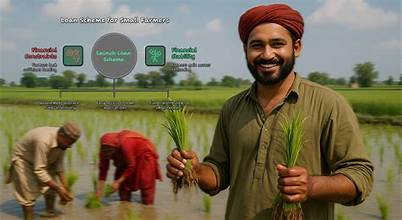
by Agriculture Program remains the backbone of Pakistan’s economy, providing livelihoods to millions and contributing significantly to national food security and exports. Yet, despite its importance, small farmers—the true custodians of the country’s agricultural landscape—have long struggled with limited access to affordable credit. High input costs, unpredictable weather, market volatility, and reliance on informal lenders have kept many farmers trapped in cycles of debt and low productivity. Against this backdrop, the government’s introduction of a new credit program aimed specifically at supporting small farmers marks a significant policy shift with far-reaching implications.
This initiative is designed to improve access to finance, enhance productivity, and promote sustainable agricultural growth. By targeting small-scale farmers, the program seeks to strengthen rural economies, reduce poverty, and ensure long-term food security.
The Importance of Small Farmers in Pakistan’s Economy
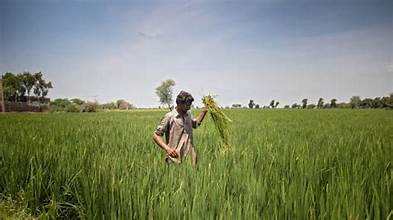
Small farmers constitute the majority of Pakistan’s agricultural workforce. Typically owning or cultivating limited land holdings, they produce a substantial portion of the country’s staple crops, including wheat, rice, maize, and vegetables. Despite their critical role, small farmers often operate on thin margins and face structural disadvantages compared to large landowners.
Limited access to institutional credit has historically forced many small farmers to rely on informal lenders who charge exorbitant interest rates. This financial vulnerability restricts their ability to invest in quality seeds, fertilizers, machinery, and modern farming techniques, ultimately affecting national agricultural output.
Why a New Credit Program Was Needed
Several factors highlighted the urgent need for a dedicated credit program for small farmers:
- Rising Input Costs: Prices of seeds, fertilizers, pesticides, fuel, and electricity have increased significantly, making farming more expensive.
- Climate Challenges: Floods, droughts, and erratic weather patterns have increased risks, making farming a high-stakes endeavor.
- Limited Financial Inclusion: Many farmers lack formal banking relationships or collateral required by traditional lenders.
- Dependence on Informal Credit: Informal borrowing often leads to debt traps and exploitation.
The new government credit program aims to address these challenges by offering accessible, affordable, and farmer-friendly financing solutions.
Key Objectives of the Credit Program
The newly introduced credit initiative is built around several core objectives:
- Enhancing Financial Access: Ensuring that small farmers can obtain loans without excessive documentation or collateral requirements.
- Boosting Agricultural Productivity: Enabling farmers to invest in better inputs, technology, and infrastructure.
- Reducing Rural Poverty: Improving incomes and financial stability for farming households.
- Promoting Sustainable Practices: Encouraging investments in water-efficient irrigation, climate-resilient crops, and modern farming methods.
- Strengthening Food Security: Supporting consistent and increased agricultural production.
New Government Credit Program Introduced to Support Small Farmers
Who Qualifies as a Small Farmer?
Under the program, small farmers are generally defined as those owning or cultivating land below a specified threshold. This ensures that benefits reach those who need them most, rather than being absorbed by large commercial operations.
Eligibility criteria may include:
- Landholding size within defined limits
- Active involvement in farming activities
- Basic identification and documentation
- Registration with relevant agricultural or local authorities
By focusing on inclusivity, the program seeks to bring previously underserved farmers into the formal financial system.https://propakistani.pk
Features of the New Credit Program
The program introduces several farmer-centric features designed to overcome traditional barriers to credit access:
Affordable Interest Rates
Loans are offered at subsidized or lower-than-market interest rates, making repayment more manageable for small farmers.
Flexible Repayment Terms
Repayment schedules are aligned with crop cycles, allowing farmers to repay after harvest rather than on rigid monthly timelines.
Simplified Application Process
Reduced paperwork and streamlined procedures make it easier for farmers, especially those in rural areas, to apply for loans.
Small and Medium Loan Sizes
The program offers loan amounts tailored to small-scale farming needs, ensuring funds are used productively.
Digital and Branch-Based Access
Applications can be submitted through banks, microfinance institutions, or digital platforms, increasing reach and convenience.
Addressing Long-Standing Barriers to Credit
One of the most significant achievements of the new credit program is its focus on overcoming structural barriers that have historically excluded small farmers from formal finance.
Many farmers lack land titles, credit histories, or collateral, making them ineligible for traditional bank loans. The new program adopts alternative assessment methods, including community verification, crop-based lending, and simplified risk evaluation, to include more farmers.
Role of Banks and Financial Institutions
Commercial banks, agricultural development banks, and microfinance institutions play a central role in implementing the credit program. By partnering with the government, these institutions are incentivized to expand their rural outreach and tailor products to farmers’ needs.
This collaboration not only supports farmers but also helps financial institutions tap into a previously underserved market, promoting broader financial inclusion.
Impact on Agricultural Productivity
Access to timely credit can significantly improve farm productivity. With adequate financing, small farmers can:
- Purchase certified seeds and quality fertilizers
- Invest in modern irrigation systems
- Adopt mechanization for planting and harvesting
- Implement pest and disease management strategies
These improvements can lead to higher yields, better-quality produce, and increased incomes, benefiting both farmers and the broader economy.
Supporting Climate-Resilient Agriculture
Climate change poses a growing threat to agriculture, particularly for small farmers with limited resources. The credit program encourages investments in climate-resilient practices such as:
- Water-efficient irrigation systems
- Drought- and flood-resistant crop varieties
- Soil conservation techniques
- Renewable energy solutions like solar-powered pumps
By aligning financial support with sustainability goals, the program contributes to long-term agricultural resilience.
Reducing Dependence on Informal Lenders
One of the most transformative aspects of the program is its potential to reduce farmers’ reliance on informal moneylenders. Access to affordable institutional credit can break cycles of debt and exploitation, giving farmers greater financial autonomy.
This shift also enhances transparency and accountability within rural financial systems, fostering trust and stability.
Empowering Rural Communities
The benefits of the credit program extend beyond individual farmers. Increased agricultural activity stimulates rural economies by creating demand for labor, transportation, storage, and processing services.
Higher farm incomes can improve access to education, healthcare, and nutrition for rural households, contributing to overall social development.
Gender Inclusion in Agricultural Finance
Women play a crucial role in agriculture, yet they often face greater barriers to accessing finance. The new credit program aims to be inclusive by encouraging loans to women farmers and supporting female-led agricultural enterprises.
By promoting gender inclusion, the program recognizes women’s contributions and helps unlock their economic potential.
Challenges in Implementation
While the program holds great promise, effective implementation will be critical. Potential challenges include:
- Limited awareness among farmers
- Administrative delays or bureaucratic hurdles
- Risk of loan defaults due to crop failures
- Need for capacity building among financial institutions
Addressing these challenges requires coordinated efforts from government agencies, banks, and agricultural extension services.
Importance of Awareness and Training
Financial literacy and awareness are essential for the success of the credit program. Farmers must understand loan terms, repayment obligations, and effective use of funds.
Training programs and extension services can help farmers make informed decisions, adopt best practices, and maximize the benefits of credit.
Monitoring and Transparency
To ensure the program achieves its goals, robust monitoring and evaluation mechanisms are essential. Transparent reporting, regular audits, and feedback systems can help identify gaps, prevent misuse, and improve program design over time.
Long-Term Vision for Agricultural Development
The new credit program is not just a short-term relief measure—it represents a step toward a more inclusive and resilient agricultural system. By integrating finance with technology, sustainability, and market access, the government aims to transform small-scale farming into a viable and profitable livelihood.
Economic and Food Security Implications
Improved agricultural productivity strengthens national food security by ensuring stable supplies of essential crops. It also reduces dependence on imports and supports export growth, contributing to foreign exchange earnings.
For an economy facing inflationary pressures and external challenges, a strong agricultural sector provides a vital buffer.
Public and Expert Reactions
The announcement of the credit program has been widely welcomed by farmers, agricultural experts, and development organizations. Many view it as a long-overdue intervention that acknowledges the central role of small farmers in the economy.
Experts emphasize that sustained political commitment and effective execution will determine the program’s long-term impact.
Conclusion
The introduction of a new government credit program to support small farmers marks a pivotal moment for Pakistan’s agricultural sector. By improving access to affordable finance, the initiative addresses one of the most critical constraints facing small-scale farmers.
If implemented effectively, the program has the potential to enhance productivity, reduce poverty, promote sustainability, and strengthen food security. More importantly, it signals a shift toward inclusive development that recognizes and empowers the farmers who feed the nation.
As Pakistan navigates economic and environmental challenges, supporting small farmers through accessible credit is not just good policy—it is an investment in the country’s future.