 by
by Introduction
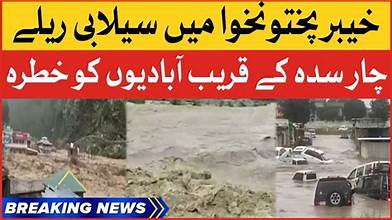
The Khyber Pakhtunkhwa (KP) province of Pakistan is facing one of the most severe natural calamities in recent years, as flash floods have claimed the lives of 229 people, according to the Provincial Disaster Management Authority (PDMA). Heavy monsoon rains have triggered devastating floods across multiple districts, displacing thousands of residents, damaging infrastructure, and causing widespread destruction to agriculture and livelihoods.
The tragedy underscores the urgent need for improved disaster preparedness, resilient infrastructure, and long-term climate adaptation measures in a region highly vulnerable to extreme weather events.
The Scale of the Disaster
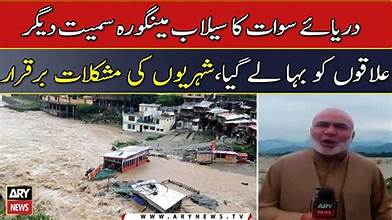
PDMA reports that the floods have affected both urban and rural areas, with severe damage reported in districts including Swat, Chitral, Dir, Shangla, and Kohistan. Flash floods triggered by heavy rainfall have washed away homes, bridges, and roads, cutting off several areas from rescue and relief efforts.
In addition to the 229 confirmed fatalities, hundreds of others have sustained injuries, while many remain missing. Authorities fear that the death toll may rise as rescue teams continue to reach remote villages that have been isolated due to damaged road networks.
Rescue and Relief Operations
PDMA, in coordination with the Pakistan Army, district administrations, and local volunteers, has launched large-scale relief operations. Rescue teams are working tirelessly to evacuate stranded families, provide emergency medical assistance, and deliver food and clean drinking water to flood-affected communities.
Temporary relief camps have been set up to house displaced families, offering basic shelter, meals, and sanitation facilities. Despite these efforts, logistical challenges persist due to ongoing rains, landslides, and the destruction of critical infrastructure.
Impact on Infrastructure and Economy
The floods have caused massive destruction to public infrastructure, including roads, power lines, schools, and hospitals. Several key bridges have been washed away, severely disrupting transportation and relief delivery.
Agriculture, the backbone of KP’s rural economy, has suffered a major blow. Standing crops have been submerged, and irrigation systems have been damaged, threatening food security and the livelihoods of thousands of farmers. Early estimates suggest that the economic losses could run into billions of rupees, with long-term recovery requiring substantial financial assistance.
Climate Change and Increased Flood Risks
Experts have linked the increasing frequency and severity of floods in Pakistan to climate change. Warmer temperatures are causing more intense monsoon rains, while glacial melt in the northern regions is contributing to sudden surges in river flows. Khyber Pakhtunkhwa, with its mountainous terrain and fragile infrastructure, is particularly susceptible to flash floods.
This disaster highlights the urgent need for climate-resilient infrastructure, improved early warning systems, and community-based disaster risk management programs. Strengthening embankments, reforestation, and river channel management could mitigate future risks.
Government Response and Appeals for Aid
The provincial government has announced compensation packages for the families of the deceased and injured, along with financial assistance for rebuilding homes. International humanitarian organizations and donor agencies have been approached for aid, and several countries have expressed solidarity with Pakistan during this crisis.
Prime Minister Shehbaz Sharif and Khyber Pakhtunkhwa’s provincial leadership have pledged to accelerate relief and rehabilitation efforts. However, officials acknowledge that recovery will be a long and challenging process, requiring coordinated action at local, national, and international levels.
Voices from the Ground
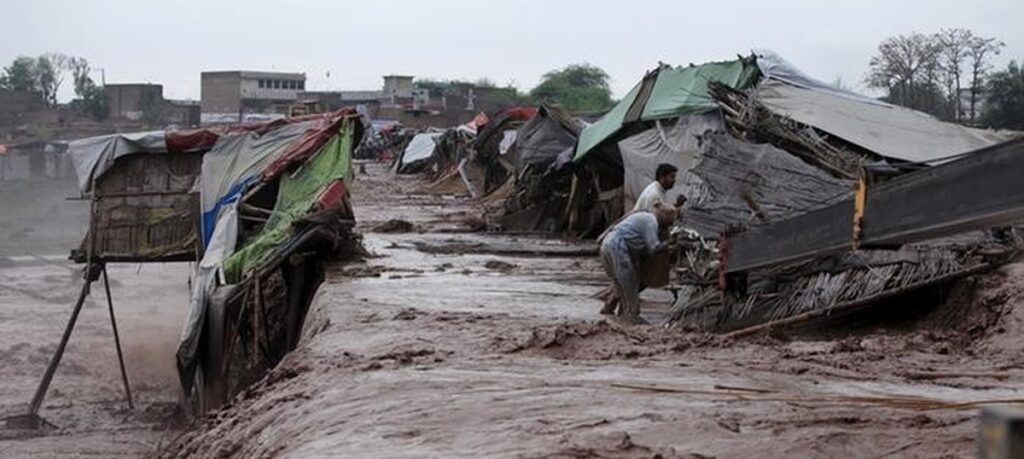
Survivors describe harrowing experiences of fleeing rising waters in the middle of the night, leaving behind their possessions and livestock. Many have lost their only means of income and are now entirely dependent on aid.
Volunteers and NGOs are playing a crucial role in delivering relief supplies to inaccessible areas. Social media has also become a powerful tool for mobilizing resources, sharing information about missing persons, and highlighting urgent needs in specific locations.
The Road to Recovery
Rehabilitation will involve more than rebuilding homes and roads—it will require restoring livelihoods, reviving local economies, and addressing the psychological trauma of survivors. Education and healthcare services, already strained in many flood-hit areas, will need urgent attention to ensure communities can recover fully.
Long-term solutions must include investments in flood protection infrastructure, enhanced forecasting technology, and community training for emergency response. Without such measures, the cycle of destruction and loss could continue with every monsoon season.
Conclusion
The Khyber Pakhtunkhwa flash floods are a stark reminder of Pakistan’s vulnerability to climate-related disasters. With 229 lives lost and thousands affected, the tragedy calls for not only immediate humanitarian assistance but also long-term strategies to build resilience against future calamities.
As relief efforts continue, the resilience and solidarity shown by communities, volunteers, and aid workers offer a glimmer of hope amid the devastation. However, sustainable recovery will require a united commitment from all stakeholders—government bodies, international partners, and the public—to ensure that the lessons from this disaster lead to lasting change.