by
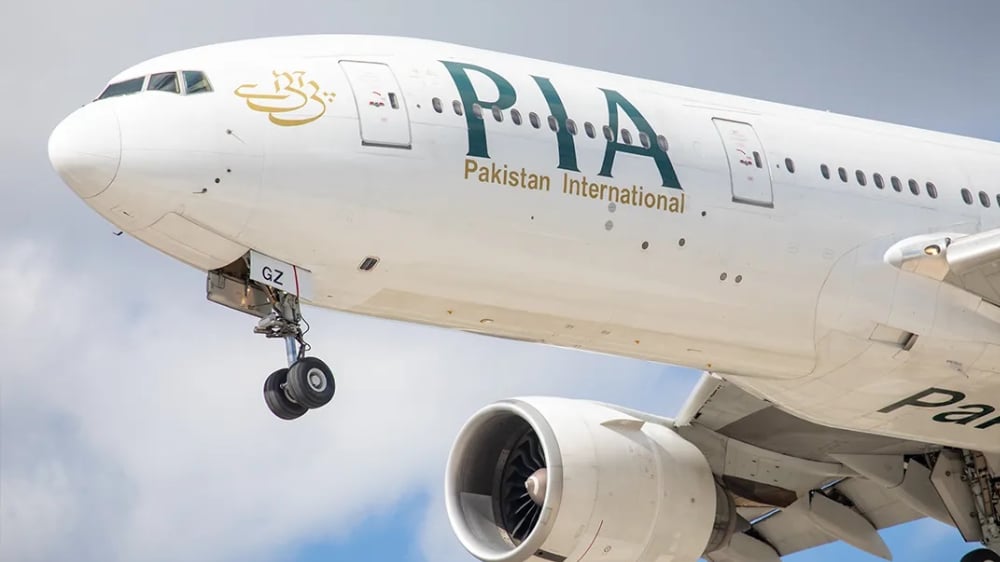
by The privatisation of Pakistan International Airlines (PIA), the country’s national flag carrier, is moving forward at a significant pace as a potential bidder recently visited the airline’s facilities. This development marks a critical milestone in the ongoing efforts to revive and restructure the loss-making state-owned enterprise through strategic private investment.
The visit by the prospective bidding company comes amid growing momentum to finalise the privatisation process. Government officials have reiterated their commitment to ensuring a transparent and competitive bidding process, while industry observers see this move as a key step toward transforming PIA into a viable and profitable airline.
Background: Why Privatisation?
PIA has long struggled with financial woes, operational inefficiencies, and administrative mismanagement. Once a source of national pride, the airline has faced mounting losses over the years, with outdated aircraft, overstaffing, and declining service quality contributing to its downfall. According to official data, PIA has been operating in deficit for more than a decade, accumulating billions in debt.
The government’s decision to privatise the airline stems from a broader initiative to restructure loss-making public sector enterprises. With increasing fiscal pressure and limited public funds, the privatisation of state-owned entities like PIA is seen as essential for economic reform, foreign investment, and sustainable growth.
Bidder Company’s Visit: A Key Development
The visit by a leading bidder to PIA’s facilities is being regarded as a major confidence boost for the privatisation process. Officials from the prospective company were given a detailed tour of the airline’s operational infrastructure, including its engineering and maintenance departments, flight operations, and training centres. The purpose of the visit was to conduct due diligence, assess PIA’s assets, and gather key data before making a formal bid.
According to sources familiar with the matter, the bidder expressed keen interest in the airline’s operational potential and routes, especially its access to international destinations across Asia, the Middle East, and Europe. The visit also included interactions with senior PIA management, who provided insights into the airline’s capabilities, ongoing challenges, and future prospects.
Government’s Role and Commitment

The caretaker federal government, along with the Privatisation Commission, is playing a central role in facilitating the process. It has assured all stakeholders that the privatisation will be conducted in a transparent and competitive manner, in line with international best practices.
The Ministry of Privatisation has already shortlisted several interested parties, and the visit by this prospective bidder indicates a high level of seriousness. Additional visits by other shortlisted companies are also expected in the coming weeks. The goal is to finalise the bidding process and complete the transaction within the fiscal year.
Federal Minister for Privatisation Fawad Hasan Fawad has stated that the government is committed to ensuring a smooth transition and that all legal, financial, and operational aspects are being thoroughly reviewed. He added that privatisation is not merely about selling assets but about revitalising the airline, improving service delivery, and safeguarding the interests of employees and passengers alike.
Industry Response
The aviation industry has largely welcomed the development, with analysts noting that private sector management can bring in the much-needed expertise, innovation, and accountability that PIA lacks. Many argue that privatisation is the only viable option to save the airline from further collapse.
However, labour unions and some political groups have voiced concerns about potential job cuts and the fate of employees during and after the transition. The government has assured that employee rights will be protected and that necessary measures will be taken to ensure a fair restructuring plan.
Economic and Strategic Implications
The privatisation of PIA holds significant economic and strategic implications. If successful, it could restore public confidence in the airline, attract foreign investment, and contribute positively to Pakistan’s aviation sector. It also sets a precedent for the privatisation of other public sector entities in need of restructuring.
Moreover, the revival of PIA through private ownership could enhance Pakistan’s connectivity, tourism, and trade links globally. With a modernised fleet, improved services, and strategic route expansion, PIA could once again play a meaningful role on the international aviation stage.
Challenges Ahead
Despite the positive momentum, several challenges remain. Legal hurdles, internal resistance, legacy liabilities, and political pressures could slow down or complicate the process. Ensuring that the bidder has a sound track record, adequate financial strength, and a commitment to operational excellence will be crucial.
Transparency and public communication will also play a vital role in winning over sceptics and ensuring public support for the initiative. The success of this privatisation depends not just on a smooth transaction but also on sustained improvements in the airline’s performance post-acquisition.
Conclusion
The recent visit by a prospective bidding company marks a promising development in the privatisation of PIA, signaling that the government’s plans are gaining traction. With multiple stakeholders involved and high stakes on the line, the coming weeks will be critical in shaping the future of Pakistan’s national airline. If executed with integrity and vision, this move could turn PIA into a success story of reform and renewal in Pakistan’s aviation sector.