 by
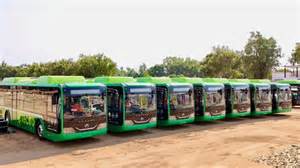
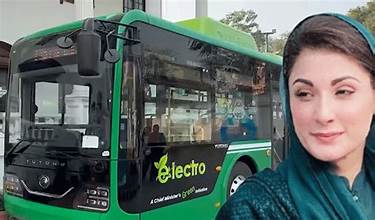
by In a move that marks a significant milestone in Pakistan’s public transport evolution, the Punjab government has officially launched an eco-friendly electric bus service in Rawalpindi. This initiative represents a bold step toward adopting sustainable transportation, reducing environmental pollution, and improving the daily commuting experience for thousands of residents. As cities around the world rethink their mobility systems in response to climate change and rapid urbanization, Rawalpindi’s electric bus service is a timely addition that promises cleaner air, quieter streets, and a far more efficient public transit network.
The launch of this service is not just about upgrading buses—it symbolizes a shift in mindset, acknowledging that the future of mobility lies in green technologies and sustainable urban planning. With rising fuel prices, increasing traffic congestion, and deteriorating air quality across major cities, the introduction of electric buses provides a much-needed solution.
In this blog, we dive into the goals, features, benefits, and long-term impact of the electric bus service in Rawalpindi. We also explore how this project fits into Punjab’s broader environmental and transportation agenda, and what it means for the future of public transport across Pakistan.
A New Era of Sustainable Transport
Punjab’s decision to introduce electric buses comes at a crucial time. Pakistan ranks among the world’s most polluted countries, with transport emissions playing a major role in deteriorating air quality. Rawalpindi and Islamabad, located in the country’s northern region, often record some of the worst smog levels during winter months.
The new electric bus service is a step toward a cleaner, healthier future. The idea is not only to provide modern and comfortable transport but to reduce the environmental footprint of daily mobility. Conventional buses running on diesel or petrol significantly contribute to carbon emissions; electric buses, on the other hand, produce zero tailpipe emissions, making them ideal for urban environments.
This initiative is part of Punjab’s broader strategy to modernize its transport infrastructure and promote sustainable urban mobility. It aligns with global trends, where cities such as London, Beijing, Istanbul, and Dubai are rapidly switching to electric public transport fleets.
Why Rawalpindi? Understanding the City’s Transport Needs
Rawalpindi is one of Pakistan’s most densely populated cities, serving as a major transit hub for commuters traveling to Islamabad and neighboring regions. With a growing population and increasing vehicle ownership, traffic congestion has become a major problem. Public transport options, although widespread, have not kept up with the pace of urban growth.
Key reasons Rawalpindi was chosen for this project:
- High commuter load on major routes
- Chronic traffic congestion, especially during peak hours
- Significant pollution levels due to aging public and private transport fleets
- Proximity to the capital, allowing integrated transport planning with Islamabad
- Emerging urban infrastructure, suitable for pilot green mobility initiatives
By launching the service in Rawalpindi, the government aims to streamline public transport, reduce congestion, and set a precedent for other cities to follow.
Key Features of the Electric Bus Service
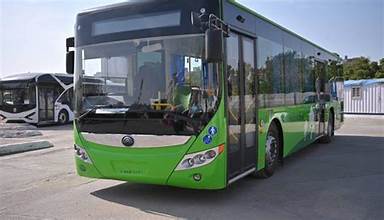
The newly launched electric buses bring a range of modern features that elevate the quality of public transportation. These buses are comfortable, technologically advanced, energy-efficient, and designed to meet international environmental standards.
1. Zero-Emission Technology
Electric buses run entirely on battery power, producing no harmful emissions. This helps reduce carbon levels, improve air quality, and limit the city’s exposure to smog.
2. Modern Interior and Comfortable Seating
The buses offer:
- Air-conditioned interiors
- Comfortable seating arrangements
- CCTV cameras for security
- Digital screens for route information
- USB charging ports for commuters
- Spacious aisles and disability-friendly seating
3. Energy Efficiency
These buses are designed to consume minimal power while offering maximum output. Some models can run up to 250 kilometers on a single charge, depending on route conditions.
4. Fast-Charging Infrastructure
Punjab’s Transport Department has set up specialized charging stations at various terminals in Rawalpindi. Fast chargers significantly reduce downtime, allowing buses to recharge quickly during operational breaks.
5. Affordable Fare Structure
To encourage widespread adoption, the fare for electric buses is kept affordable, ensuring middle and lower-income commuters can easily access quality public transport.
Routes Covered by the Electric Bus Service
Initially, the government has launched the service on selected high-traffic routes, with plans to expand across the city in phases.
Some of the core routes include:
- Rawalpindi Committee Chowk to Saddar
- Sixth Road to Faizabad
- Murree Road Corridor
- Metro Bus Link Routes
These routes were chosen due to heavy commuter activity, allowing faster integration into the city’s daily transport flow.
Environmental Benefits: A Clean Breath for Rawalpindi
Transport emissions are one of the biggest contributors to air pollution in Pakistan. Diesel buses, especially older ones, emit fine particulate matter (PM2.5), nitrogen oxides, carbon monoxide, and other toxic pollutants.
Electric buses offer several environmental advantages:
1. Reduced Air Pollution
With zero exhaust emissions, they significantly cut down:
- PM2.5 and PM10 levels
- Nitrogen dioxide (NO₂)
- Carbon monoxide (CO)
- Carbon dioxide (CO₂)
This helps reduce smog formation—an annual problem in Punjab.
2. Lower Noise Pollution
Electric buses operate much more quietly than traditional diesel engines, reducing noise levels in busy urban areas.
3. Contribution to Climate Targets
Pakistan has pledged to reduce its carbon footprint under various global agreements. Electric mobility supports these commitments by lowering emissions from the transport sector.
Economic Impact: Saving Fuel, Creating Jobs
Beyond environmental benefits, the electric bus service also contributes to economic stability and workforce development.
1. Reduced Fuel Import Bills
Pakistan spends billions of dollars annually on fuel imports. By adopting electric buses, the country can reduce its dependency on imported fossil fuels.
2. Long-Term Operational Savings
Electric buses are more cost-efficient:
- Lower maintenance costs
- Fewer mechanical parts
- Cheaper energy consumption per kilometer
This saves the government money and allows for reinvestment in other infrastructure projects.
3. Creation of Jobs
The introduction of electric mobility requires:
- Technicians
- Engineers
- Charging station operators
- Fleet managers
- Software and data analysts
This creates new job opportunities for the local workforce.
Challenges to Overcome
While the electric bus system promises many benefits, it also brings challenges that the government must address.
1. High Initial Costs
Electric buses and charging stations require significant upfront investment. However, their long-term savings offset these costs.
2. Electricity Demand and Load Management
Charging electric buses requires stable electricity supply. Pakistan must strengthen its grid and incorporate renewable energy sources to meet rising demand.
3. Need for Skilled Workforce
Operating and maintaining electric buses requires specialized skills. Training programs will be essential to manage the new system effectively.
4. Integration with Existing Infrastructure
Ensuring smooth integration with Rawalpindi’s current transport routes and terminals may require upgrades and strategic planning.
How This Project Fits into Punjab’s Green Agenda
Punjab has already taken several steps to promote environmental sustainability:
- Establishing low-emission zones
- Implementing smog-control policies
- Promoting tree-planting campaigns
- Introducing hybrid and electric vehicle incentives
The electric bus service adds another milestone to this eco-friendly roadmap.
Additionally, the government plans to:
- Expand electric bus services to Lahore, Faisalabad, and Multan
- Install more charging stations across the province
- Transition gradually from diesel buses to electric fleets
- Collaborate with private companies to accelerate green mobility
This aligns with global trends where countries like China, India, and European states are expanding their electric public transport systems rapidly.
Public Response: Welcoming a Cleaner Future
The launch of the electric bus service has been met with widespread public support. Commuters appreciate the clean, comfortable, and modern buses, while environmentalists welcome the shift toward sustainable urban mobility.
Many residents see the buses as a symbol of progress—evidence that Rawalpindi is ready to embrace global standards of green transportation.
Future Plans: What’s Next for Rawalpindi’s Green Mobility?
The Punjab government has announced plans to expand the fleet and routes in the coming months. Future phases may include:
- Inter-city electric bus services
- Night routes
- Express services connecting major business districts
- Smart digital payment systems
- Fully automated bus tracking apps
There is also potential for integrating renewable energy, such as solar-powered charging stations, to maximize sustainability.
Conclusion
The launch of the eco-friendly electric bus service in Rawalpindi represents a transformative moment for public transportation in Pakistan. It showcases Punjab’s commitment to sustainability, innovation, and modern urban development. By reducing pollution, offering cost-effective transport, and introducing cleaner energy solutions, the initiative has set a new benchmark for public mobility in the region.
As the project expands, it promises not only to make travel easier and greener but also to help Pakistan take meaningful steps toward a cleaner, more sustainable future. The electric bus service is more than just a transport upgrade—it is a vision for a healthier, smarter, and eco-conscious society.