 by
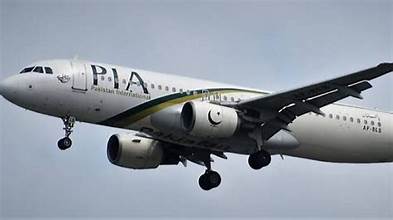
by The privatization of Pakistan International Airlines (PIA) marks one of the most consequential economic and political milestones in Pakistan’s recent history. After years of financial hemorrhaging, governance failures, and repeated bailout packages, the national flag carrier has finally been transferred to private ownership. The Rs135 billion winning bid by the Arif Habib Group has sealed the deal, formally ending decades of state control over an airline once regarded as a symbol of national pride.
This landmark transaction is not merely about selling an airline; it represents a structural shift in Pakistan’s economic philosophy, signaling a move away from chronic state ownership of loss-making enterprises toward market-driven efficiency. The deal has sparked intense debate across political, business, and public circles—raising hopes of revival while also triggering concerns over transparency, labor rights, and national identity.
The Long Road to Privatization
PIA’s decline did not happen overnight. Established in 1955, the airline was once a pioneer in Asian aviation, even helping other international carriers set up operations. However, decades of political interference, overstaffing, corruption allegations, poor fleet management, and mounting debt gradually eroded its operational and financial viability.
Repeated reform attempts failed to produce sustainable results. Government bailouts became routine, costing taxpayers hundreds of billions of rupees over the years. With mounting losses and international credibility at stake, privatization became increasingly unavoidable.
Past privatization efforts collapsed due to legal challenges, labor union resistance, and political instability. This time, however, a combination of economic pressure, international commitments, and fiscal realities pushed the government to complete the process.
The Rs135 Billion Bid: A Turning Point
The Arif Habib Group’s Rs135 billion bid emerged as the winning offer after a competitive bidding process overseen by regulatory bodies and government committees. The bid was notable not just for its size but for its structure, which addressed long-standing concerns related to debt, asset valuation, and future investment commitments.
The government’s acceptance of the bid effectively transfers management control and a majority ownership stake to the private sector, while addressing key liabilities that had previously deterred potential investors.
For Pakistan’s privatization agenda, this deal represents one of the largest and most complex transactions ever executed—surpassing previous attempts both in scope and significance.
Who Is the Arif Habib Group?
The Arif Habib Group is among Pakistan’s most prominent and diversified business conglomerates, with interests spanning financial services, energy, cement, fertilizers, real estate, and investment banking. Known for its strong capital base and long-term investment philosophy, the group has built a reputation for turning around underperforming assets.
Its entry into aviation is seen as a calculated but bold move. Analysts believe the group’s experience in restructuring large organizations, improving governance, and leveraging financial discipline could be critical to PIA’s revival.
The group has emphasized that PIA’s turnaround will not be instantaneous but achievable through phased reforms, professional management, and operational restructuring.
Why Privatization Became Inevitable
Several factors made PIA’s privatization unavoidable:
1. Financial Drain on the Treasury
PIA’s losses had reached unsustainable levels, requiring repeated government guarantees and subsidies. In an economy already struggling with deficits, inflation, and external debt, continuing to fund the airline was no longer feasible.
2. International Obligations
Pakistan’s commitments to international lenders and financial institutions included structural reforms, particularly the privatization or restructuring of state-owned enterprises.https://arynews.tv/cm-punjab-green-tractor-scheme-deadline-for-waiting-list-applicants-set-for-dec-22
3. Operational Inefficiencies
Government ownership limited decision-making flexibility, delayed fleet modernization, and hindered competitiveness in an increasingly private-dominated aviation market.
4. Loss of Global Standing
PIA’s international reputation suffered due to safety concerns, route suspensions, and regulatory penalties, further reducing its earning potential.
Key Terms of the Deal
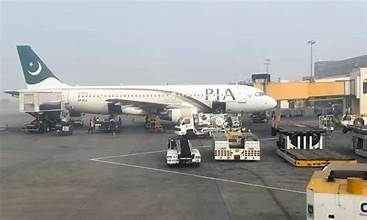
While the full agreement includes detailed clauses, the broad contours of the deal include:
- Majority ownership transferred to the Arif Habib Group
- Government relief on certain legacy liabilities
- Commitments for capital injection and fleet improvement
- Retention of core national routes
- Regulatory oversight by aviation authorities
These terms aim to balance investor confidence with national interests, ensuring continuity of essential services while enabling operational freedom.
Impact on Employees and Labor Unions
One of the most sensitive aspects of PIA’s privatization has been its impact on employees. With a workforce historically considered overstaffed, concerns about layoffs, contract revisions, and benefits have dominated union discourse.
The new ownership has indicated that while rationalization may occur, the focus will be on gradual workforce optimization, retraining, and productivity enhancement rather than abrupt downsizing.
However, labor unions remain cautious, demanding legal protections and transparent communication to safeguard employee rights during the transition.
What This Means for Passengers
For passengers, privatization raises both hopes and expectations. Improved service quality, better on-time performance, cleaner aircraft, and competitive pricing are among the anticipated benefits.
Private ownership may also allow PIA to modernize its fleet, restore suspended routes, and improve customer experience through technology upgrades and service reforms.
However, there are concerns that profitability goals could lead to fare increases or reduced service on less profitable domestic routes. Regulatory oversight will play a crucial role in maintaining balance.
Broader Economic Implications
The successful privatization of PIA carries implications far beyond aviation:
Investor Confidence
Completing such a high-profile deal signals seriousness about reform, potentially encouraging foreign and domestic investment.
Precedent for Other SOEs
PIA’s sale may pave the way for privatization or restructuring of other loss-making state-owned enterprises.
Fiscal Relief
Reduced financial burden on the government could free resources for development, social protection, and infrastructure.
Market Discipline
Private-sector management introduces accountability, performance benchmarks, and commercial discipline often absent in public-sector entities.
Political Reactions and Public Debate
As expected, the deal has sparked mixed reactions. Supporters view it as a necessary and overdue reform, arguing that national pride should not come at the cost of economic ruin.
Critics, however, question valuation methods, transparency, and the long-term implications of handing over a national symbol to private interests. Political opponents have demanded parliamentary scrutiny and public disclosure of all deal terms.
The government has defended the transaction, asserting that continuing state ownership was no longer an option.
Challenges Ahead for the New Owners
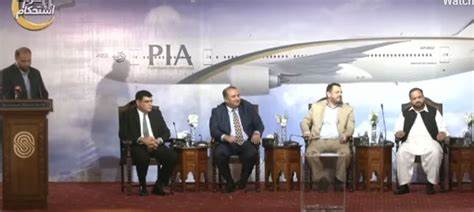
While the deal is complete, the real challenge lies ahead. Turning around PIA will require:
- Restoring operational reliability
- Regaining international aviation trust
- Managing legacy debt and legal disputes
- Competing with efficient regional airlines
- Navigating regulatory and political pressures
Success will depend on consistent leadership, strategic investment, and insulation from political interference—something PIA lacked for decades.
A Symbolic End and a New Beginning
The privatization of PIA represents the end of an era in Pakistan’s economic governance. For generations, the airline symbolized national ambition and global connectivity. Its decline mirrored broader governance failures within public-sector institutions.
Now, with the Rs135 billion deal sealing PIA’s transfer to the Arif Habib Group, a new chapter begins—one defined by commercial realism rather than political sentiment.
Whether this move becomes a success story or a cautionary tale will depend on execution, oversight, and public trust. What is certain, however, is that Pakistan has crossed a critical threshold in redefining the role of the state in business.
Conclusion
The privatization of Pakistan International Airlines is not just a corporate transaction—it is a statement about the future direction of Pakistan’s economy. The Arif Habib Group’s acquisition through a Rs135 billion bid underscores both the risks and opportunities inherent in reforming deeply entrenched public institutions.
If managed effectively, this deal could revive a struggling airline, relieve public finances, and set a powerful precedent for reform. If mishandled, it could deepen public skepticism toward privatization.
As the dust settles, all eyes will be on how the new owners navigate the formidable task of transforming PIA from a national liability into a competitive regional airline once again.