 by
by The Punjab government has announced a comprehensive set of mandatory requirements for school transport, marking a significant shift toward ensuring student safety and regulating an area that long remained overlooked. For decades, parents, educators, and road safety advocates have raised concerns about unregulated school vans, overloading, unsafe vehicle conditions, and untrained drivers. These issues became recurring risks for millions of children commuting daily across the province.
With the new mandatory requirements now set to reshape school transportation standards, Punjab is taking a decisive step toward safeguarding students and improving public trust in school commuting systems. This move aligns with modern safety practices seen internationally, where governments enforce strict regulations for vehicles that carry minors.
This blog explores the background of these reforms, the details of the newly announced rules, how schools and transport operators will be affected, and what parents need to know moving forward.
Why Punjab Needed New School Transport Regulations
School transportation in Punjab has historically been an informal and largely unstandardized sector. Very few schools operate their own fleets; instead, most rely on privately contracted vans, buses, and rickshaws. While these services fill a crucial gap, they often operate without meeting safety benchmarks.
Key issues identified by authorities, safety committees, and parents include:
1. Overloading
Overcrowded vans and rickshaws are a common sight near schools. In many cases:
- Vans designed for 8–10 students ended up carrying 15–20.
- Motorcycle rickshaws routinely accommodated more children than allowed.
- Larger vans used bench extensions, reducing space and increasing injury risk.
This overloading habit raised the chances of accidents and injuries, especially during abrupt braking or collisions.
2. Poor Vehicle Maintenance
Many school vans, particularly private ones, were older models with:
- Worn-out brakes
- Faulty engines
- Weak suspension
- Expired registration or fitness certificates
Without regular inspection, these vehicles posed severe risks on busy urban roads and hilly rural routes.
3. Untrained and Unlicensed Drivers
One of the most alarming patterns was that some school vehicle drivers:
- Did not possess proper driving licenses
- Had no experience driving passenger vehicles
- Had not undergone any safety or first-aid training
- Worked long hours, causing fatigue
Children are especially vulnerable passengers, making trained personnel a non-negotiable requirement.
4. Lack of Emergency Preparedness
Most school vehicles lacked:
- Fire extinguishers
- First-aid kits
- Emergency exits
- Seat belts
- Safety alarms or tracking devices
During emergencies, every second counts, and such missing equipment increased the risk of serious outcomes.
5. Absence of Accountability
Because many vehicles were privately owned, there was often no clear system to:
- Monitor safety compliance
- Audit operators
- Hold someone responsible in case of negligence
These reasons collectively pushed the Punjab government to enforce new mandatory requirements, ensuring the safety of school-going children remains a top priority.
Key Features of the New Mandatory Requirements
The newly announced rules are designed to overhaul the entire school transport ecosystem. The initiative includes strict checks, licensing updates, and safety measures that both private operators and schools must follow.
Here is a breakdown of the essential components:
1. Mandatory Vehicle Fitness Certification
Every school vehicle—whether operated by the school or a private transporter—must now carry:
- A valid fitness certificate issued by the relevant transport authority
- Proof of passed inspection
The fitness examination will check:
- Brakes
- Headlights
- Tyres
- Seats and interior structure
- Engine performance
- Safety equipment installation
This measure alone is expected to remove hundreds of unsafe vehicles from school roads.
2. Compulsory Installation of Seat Belts and Safety Equipment
Under the new policy, school vans must include:
- Seat belts for every student
- A functional fire extinguisher
- A first-aid kit
- Safety grill doors
- Emergency exit signs
- Reflective tape on exterior panels
These additions make school vans compliant with basic child safety norms practiced globally.
3. Licensing Requirements for Drivers
All school drivers must now meet enhanced criteria, such as:
- Possessing a valid public service vehicle (PSV) license
- Undergoing a mandatory training program in:
- Defensive driving
- Handling minors
- Emergency protocols
- Basic first aid
- Maintaining a clean driving record
Additionally:
- Drivers with a criminal record—especially involving violence or narcotics—will be barred.
This ensures children are in safe and trained hands.
4. Restrictions on Overloading
Strict measures will be taken to prevent overloading:
- Maximum passenger limit based on the vehicle’s model and manufacturer capacity
- Heavy fines for operators exceeding the limit
- Random roadside inspections by authorities
Parents will also be encouraged to report overloaded vans through official helplines.
5. Color-Coded Vehicles for School Transport
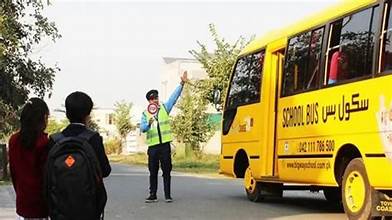
To distinguish school transport from private vehicles, the government plans to introduce:
- A uniform color code for school vans and buses
- Mandatory “School Transport” signage
- Clear contact information displayed on the sides
This helps authorities:
- Identify school vehicles quickly
- Monitor them more efficiently
- Improve overall visibility and safety on roads
6. Digital Tracking and Record Maintenance
Punjab Schools and transport services must now maintain:
- Updated digital records of each vehicle
- Driver details
- Daily route logs
Future phases include the adoption of:
- GPS tracking systems
- Real-time monitoring by school administrations
- Mobile apps for parents to view location and schedule updates
Digitalization will provide a transparent safety net and reduce response time during emergencies.

7. Mandatory Insurance Coverage
All school vehicles must now have:
- Updated vehicle insurance
- Passenger liability insurance (covering students)
This ensures financial coverage in case of:
- Accidents
- Medical emergencies
- Vehicle damage
Insurance compliance will be checked during inspections.
8. Cooperation Between Schools and Private Operators
Schools that outsource transport services will be held accountable alongside operators. They must:
- Verify documentation
- Ensure compliance
- Conduct routine inspections
If a school fails to ensure its transport system meets requirements, penalties may also apply to the administration.
9. Penalties for Non-Compliance
Authorities have approved strict penalties such as:
- Heavy fines for unsafe vehicles
- Seizure of non-compliant vans
- Blacklisting of repeat offenders
- Legal action in severe negligence cases
These penalties aim to deter operators from cutting corners on safety.
How Schools Will Be Affected
Punjab Schools will need to take proactive steps, including:
- Reviewing contracts with private operators
- Conducting regular inspections
- Appointing a transport safety officer
- Maintaining student pick-up and drop-off logs
- Coordinating with parents for feedback
This will slightly increase administrative tasks, but it ensures that the school remains fully informed and accountable for student travel.
Impact on Transport Operators
Private transporters will have to:
- Punjab Upgrade or replace old vehicles
- Install mandatory safety equipment
- Apply for proper licenses
- Attend training sessions
Although the transition may be costly, it will:
- Improve service quality
- Boost parent confidence
- Reduce risk of legal complications
Moreover, compliant operators may see higher demand for their services.
How Parents Will Benefit
Parents play a crucial role in monitoring and ensuring their children travel safely. With new rules, they will gain:
- Increased peace of mind
- Ability to choose verified transport options
- Transparent communication from schools
- Better emergency support
Parents are also encouraged to:
- Inspect vans regularly
- Communicate with drivers
- Report violations immediately
Their involvement ensures the effectiveness of the reforms.
Challenges That May Arise
Even though the reforms are widely welcomed, challenges remain:
1. High Upgrade Costs for Operators
Many small-scale van drivers may struggle to afford:
- Vehicle upgrades
- Licenses
- Safety equipment
Punjab Government assistance or subsidies may help ease the transition.
2. Enforcement Difficulty
Punjab has thousands of school vans operating daily. Ensuring uniform compliance requires:
- Increased manpower
- Better coordination between police and transport departments
- Consistent inspections
3. Possible Fee Increases for Parents
Some operators may increase fees to cover compliance costs. Authorities must ensure rates remain reasonable.
4. Training and Awareness
Drivers and schools still need extensive training and awareness sessions to fully adopt new procedures.
Why These Reforms Are a Step in the Right Direction
Despite challenges, the introduction of mandatory requirements is a landmark step for Punjab. Prioritizing child safety resonates both socially and morally. These regulatory reforms will:
- Reduce accidents
- Improve quality of school transport
- Enhance accountability
- Encourage professional training
- Strengthen trust between parents and schools
This initiative also aligns Punjab with international child transport safety standards, which emphasize regulated frameworks, monitoring systems, and well-trained personnel.
Conclusion
The decision to enforce mandatory requirements for school transport in Punjab represents a long-awaited transformation in one of the most critical areas concerning children’s daily lives. By focusing on safety, compliance, and accountability, the province is taking a bold step toward protecting its youngest citizens.
While operators, schools, and parents will all face adjustments, the long-term benefits far outweigh the initial challenges. Ensuring a safe journey for every child is not just a policy objective—it is a societal obligation.
Punjab With effective implementation, Punjab’s school transport reforms could become a model for other provinces to follow, ultimately creating a safer future for millions of students across Pakistan.