 by
by What It Means for Road Safety, Drivers and the Future of Traffic Management
The provincial government of Sindh recently announced a major expansion of the e-challan (electronic traffic ticketing) initiative: after its launch in Karachi, the system will now be extended to two more major cities — Sukkur and Hyderabad.
This development isn’t just another administrative update. It marks a significant shift in how traffic violations are policed, roads are managed, and how citizens interact with law enforcement. In this blog, I unpack what’s changing, why it matters, how it may impact different stakeholders, and what the future could look like for Sindh’s road users.
What is the E-Challan System and Why Was It Introduced
Traditionally, traffic policing in Sindh — like much of Pakistan — has relied on manual challans, physical traffic police presence, and handwritten tickets. This approach has long been criticized for inconsistency, bribery risk, delays, and poor coverage.
The E-Challan System — recently relaunched in Karachi on 27 October 2025 under the province’s “Safe City” programme — replaces manual tickets with digital, camera-based surveillance, automatic offence detection, and online/digital fine notifications.
Under the system:
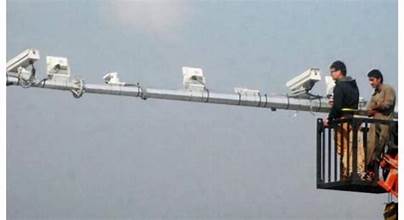
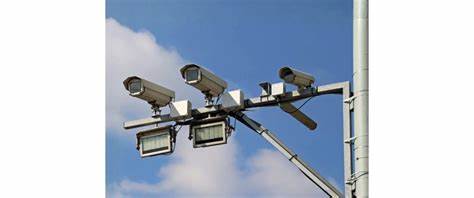
- Cameras installed at signal points and major roads detect violations (e.g. red-light jumping, speed overshoot, helmet/seatbelt violations, wrong-way driving, etc.).
- E-challans are automatically generated and tied to the registered vehicle owner via the vehicle registration database.
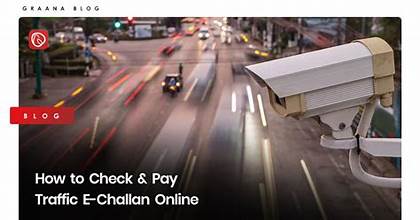
- Fines can be viewed and paid digitally (through online portals or mobile payment gateways), reducing the need for direct physical interactions between traffic police and motorists.
- There is built-in accountability, as the system retains video/audio evidence, timestamps, and links violations to specific vehicles — improving transparency and reducing the likelihood of arbitrary or corrupt enforcement.
With its official launch in Karachi producing immediate results — thousands of e-challans issued in initial days and measurable improvements in traffic discipline — authorities now see a ready case to expand its coverage.
Why Expansion to Sukkur & Hyderabad Matters
The decision to roll the e-challan system out to Sukkur and Hyderabad is significant for several reasons:
- Expands road-safety measures beyond Karachi
So far, most modern traffic management technological investments have been focused on Karachi — the largest city. Extending this to other major cities will help bring disciplined, law-based traffic enforcement to a wider base of citizens. - Brings uniformity across the province
Once the system is applied province-wide (or at least in major cities), drivers moving between cities will face the same rules, penalties, and enforcement standards — reducing confusion and creating consistency. - Modernizes traffic enforcement in smaller yet important urban centers
Cities like Sukkur and Hyderabad — though smaller than Karachi — still have significant vehicle population, growing traffic, and recurring safety and pollution concerns. The e-challan system offers them a chance to manage traffic modernly, without reliance on large manpower or manual processes. - Potential to reduce corruption and improve transparency
With automated detection and electronic records, there will be less room for subjective enforcement, bribery, or delays. This could improve public trust in traffic enforcement over time. - Eases administrative burdens and improves efficiency
Digital challans and online payment mean fewer traffic stops, lower paperwork, and faster processing — beneficial for both police and drivers.
What Recent Performance in Karachi Reveals: A Preview for New Cities
Since Karachi’s relaunch of the E-Challan System:
- Within just a few hours of activation, the new system issued e-challans worth over Rs 12.5 million for more than 2,662 offences.
- Common violations included seat-belt offences, helmet violations, red-light jumping, speeding, wrong-way driving, and mobile-phone usage while driving.
- Data indicates that luxury vehicles and heavy vehicles accounted for a significant share of violations — suggesting that the system is being applied broadly, without bias.
- Officials plan to install up to 12,000 cameras across major roads in Karachi and connect tracking systems for heavy vehicles, trailers, tankers etc. Over time, full automation is the goal, reducing the need for on-road traffic police deployed on major arteries.
These early indicators — high volume of challans issued quickly, diversified categories of violations, and broad vehicle-type coverage — show that the system is not just symbolic, but is actively changing driver behaviour and traffic compliance.
If these trends hold, when the system goes live in Sukkur and Hyderabad the impact could be meaningful — better road discipline, reduced accidents, fewer manual violations, and a more predictable framework for motorists.
Challenges & Concerns: What Could Go Wrong
No system is perfect — and while expansion is promising, there are potential pitfalls and public concerns that must be addressed carefully.
🚧 Infrastructure & Resource Constraints
- Installation of cameras and proper coverage: For the system to be effective, high-quality cameras must be installed in sufficient numbers, at strategic traffic junctions. Smaller cities may lack the infrastructure or funding to install at scale.
- Database and registration accuracy: The e-challan system relies on accurate registration records. If vehicles are unregistered or owners’ addresses outdated, notifications may not reach the correct people, undermining enforcement.
- Internet and digital payment access: In smaller cities or rural peripheries, limited internet access or digital payment adoption can make it difficult for people to receive challans or pay them promptly.
📄 Public Pushback & Distrust
- Some citizens may view rapid fine issuance as “revenue generation” rather than safety enforcement — especially if basic road conditions (potholes, poor signage, broken traffic signals) are not improved in tandem.
- There may be resistance from drivers unused to automated enforcement or suspicious of camera-based surveillance.
- Motorists might complain about fairness if the system misidentifies vehicles or captures ambiguous violations — especially in contexts where lane markings, signage, or lighting are poor.
⚖ Legal/Policy & Governance Challenges
- Proper appeals and grievances processes must be in place to contest wrongful challans. Without transparent mechanisms, public trust could erode.
- Enforcement should be consistently applied; selective enforcement or waiver policies (e.g. waiving first-time challans) may undermine deterrent effect. (Geo News)
- There must be clear coordination between traffic police, excise department (vehicle registration), road infrastructure authorities, and city management to ensure that enforcement isn’t just punitive but part of broader road-safety improvements.
What Expansion Means for Ordinary Citizens — Drivers, Commuters, Families
For everyday road users in Sindh, the implications of expansion are real and varied.
✅ Potential Benefits
- Safer roads: With deterrent effects, fewer reckless drivers, less speeding, and better compliance with traffic signals.
- Reduced corruption & hassle: No more need for manual challans, in-person traffic stops, or paying bribes. Payment and notification becomes digital, smoother, and transparent.
- Easier record-keeping: Drivers can track their violations online, pay fines from home, and keep records for license renewal or ownership transfer.
- Improved accountability: As vehicles are linked to registered owners, misuse or unlicensed driving may decrease — benefiting honest owners and discouraging others from breaking laws.
⚠ What Citizens Should Watch Out For
- Timely challan delivery: Ensure your vehicle registration and address details are up-to-date so that challans reach the correct recipient.
- Prompt payment & compliance: Delays may lead to added penalties or complications with license/vehicle registration renewals.
- Dispute resolution: If you believe a challan was wrongly issued (e.g. camera error), check whether there is a process to appeal or file complaint.
- Awareness and adaptation: Especially for older drivers or those unfamiliar with digital systems — they need to get familiar with how the system works (e-challan portals, payment methods, notifications).
What This Means for Traffic Management & Governance in Sindh
The expansion of e-challan signals a bigger shift — from reactive, manpower-driven enforcement to preventive, technology-enabled traffic governance.
🏙 Modernizing Traffic Enforcement
With automated detection and digital records, police can focus less on traffic stops and more on strategizing road safety, accident prevention, and long-term planning. The installation of cameras, trackers for heavy vehicles and data analytics can help authorities identify accident-prone zones, traffic bottlenecks, and demand patterns — enabling data-driven decisions about road maintenance, signage improvements, and vehicle regulation.
📈 Consistency & Fairness Across Urban & Semi-Urban Areas
Historically, traffic rule enforcement often varied widely between cities — leading to perceptions of arbitrariness and unfair treatment. A province-wide e-challan system brings uniformity: the same rules, same detection criteria, same penalties regardless of city — which can foster a sense of equity and lawfulness among citizens.
🔄 Reduced Pressure on Police Deployment
As the system matures, fewer traffic police officers may be needed on roads. This can allow security forces to reallocate manpower to other tasks (e.g. crime prevention, law enforcement), improving overall public safety outcomes.
💡 Long-term Vision for “Smart Cities”
The extension reflects a broader ambition — aligning Sindh’s urban centres with global smart-city models, where technology, data, and governance converge to improve public services, road safety, and civic accountability. Once e-challan is established, future layers like real-time traffic management, accident detection, emergency response, and urban planning integration become more feasible.
What Needs to Be Done to Make the Expansion a Success
For e-challan expansion in Sukkur, Hyderabad (and eventually other cities) to deliver real benefits — not just fines — several steps are critical:
- Infrastructure investment: High-quality cameras, reliable internet connectivity, proper signage, and updated vehicle registration databases.
- Public awareness campaigns: E-Challan Inform citizens about how the system works, how to check/pay challans, and how to update their registration details.
- Accessible payment & appeal mechanisms: Ease of online payments, mobile payment integration, and a transparent grievance redressal process for wrongful challans.
- Complementary improvements to roads and traffic signals: Ensure signals work, lanes are marked, signage clear — to avoid penalizing drivers unfairly in bad infrastructure conditions.
- Consistent enforcement and no favoritism: Ensuring the system applies equally to all vehicles — government, private, heavy, light — to build trust.
- Data-driven planning: Use the data from violations and traffic flows to identify accident-prone zones, optimize traffic management, and plan road upgrades.
What Citizens Should Do Now — A Quick Checklist
If you live in Sindh, drive or own a vehicle, here’s what you should do in light of the expansion:
- ✅ Ensure your vehicle registration information (address, CNIC, ownership status) is up to date in the excise database.
- ✅ Familiarize yourself with the e-challan portal or app (once available) — check if your vehicle has pending fines.
- ✅ Observe traffic rules diligently: wear seatbelt/helmet, avoid speeding, obey signals, avoid phone use while driving.
- ✅ Keep payment receipts and avoid delays. Timely payment avoids penalties or complications in license/vehicle renewal.
- ✅ In case of disputed challan — collect evidence (photos/time of violation) and use official appeal or complaint channels.
- ✅ Spread awareness among friends/family in your city: many may not know about the new system or how to comply.
In Short: What This Expansion Means
The expansion of the e-challan system to Sukkur and Hyderabad is more than just an administrative update: it is a signal that Sindh’s government is serious about modernizing traffic enforcement, bringing technology to civic governance, and standardizing law enforcement across the province.
If implemented properly — with infrastructure improvements, transparency, and citizen cooperation — this can lead to safer roads, less corruption, fairer enforcement, and more reliable urban mobility. For drivers, it means accountability; for pedestrians, it implies safer crossings; for law enforcement, it suggests more efficient resource use.
E-Challan At the same time, success depends heavily on execution. Poor camera coverage, faulty registration data, or inconsistent enforcement could undermine public trust. The expansion is a big step forward — but only the first step.
Let’s hope that significant change reaches every corner of Sindh, and not just the big metropolises — because every driver, pedestrian, and commuter deserves safer, fairer roads.