by
by Karachi, Pakistan’s largest metropolis, is once again grappling with a serious dengue outbreak as the number of reported Health cases continues to rise across the city. Despite the growing concern among citizens and healthcare professionals, the Sindh Health Department has reportedly failed to release timely daily updates on dengue cases — a lapse that has raised questions about transparency, accountability, and crisis management within the provincial health system.
The lack of consistent reporting has not only hindered public awareness but also made it difficult for health experts and policymakers to track the spread of the virus effectively. At a time when accurate data and rapid response are crucial, the department’s negligence is being viewed as a major setback in the fight against dengue in Karachi.
Dengue Cases Continue to Rise in Karachi
Every year, Karachi faces a seasonal spike in dengue cases, particularly during the post-monsoon months when stagnant water becomes a breeding ground for Aedes aegypti mosquitoes — the primary vector responsible for transmitting the dengue virus. However, this year, the city appears to be battling a more aggressive wave of infections.
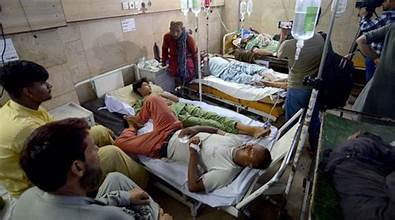
Hospitals across Karachi have reported a steady influx of patients exhibiting symptoms such as high fever, body aches, severe headaches, and low platelet counts. According to hospital sources, dengue wards are reaching near capacity in major government and private healthcare facilities.
Doctors have expressed concern that the lack of real-time data from the Sindh Health Department is making it difficult to predict case patterns and allocate resources accordingly. Without official figures, the true scale of the outbreak remains uncertain — a situation that could have grave public health implications if not addressed immediately.
Failure in Data Transparency
The Sindh Health Department traditionally releases daily dengue situation reports detailing new infections, recoveries, and fatalities across various districts. These reports serve as an essential tool for tracking disease trends and guiding preventive measures.
However, in recent weeks, the department has failed to issue these updates consistently. Health experts argue that this lack of communication reflects poor coordination between different administrative branches and a general disregard for data-driven decision-making.
Public health specialists stress that timely information helps in identifying high-risk areas, planning fumigation drives, and informing citizens about preventive measures. By withholding or delaying such information, the department risks allowing misinformation to spread, further worsening the public health crisis.
Public Frustration and Growing Criticism
The absence of daily dengue updates has triggered frustration among Karachi’s residents. Many believe that the government’s silence indicates an attempt to downplay the severity of the situation. Social media platforms have been flooded with complaints and personal accounts of dengue cases, with citizens urging authorities to take immediate action.
Parents of school-going children are particularly anxious as dengue infections among minors have reportedly increased. Several private schools have begun conducting their own awareness sessions and mosquito-control initiatives, given the lack of official guidance.
Civil society organizations have also criticized the provincial government for its reactive rather than proactive approach. They argue that Karachi’s recurring dengue problem is not just a health issue but a symptom of broader governance failures — from poor waste management to inadequate drainage systems.

Hospitals Under Pressure
Healthcare professionals across Karachi are bearing the brunt of the outbreak. Major hospitals such as Jinnah Postgraduate Medical Centre (JPMC), Civil Hospital, and Aga Khan University Hospital have reported a sharp rise in dengue admissions.
Doctors and nurses have been working extended shifts, while hospitals face shortages of beds, testing kits, and platelets. Some facilities have even had to divert non-critical patients to accommodate dengue emergencies.
Medical staff say that without consistent data from the health department, they are unable to anticipate patient surges or prepare adequately. “We are treating patients blindly,” said one doctor, requesting anonymity. “Without accurate case numbers and trend data, we can’t plan for what’s coming next.”
The lack of inter-departmental coordination has further compounded the crisis. Health workers complain that fumigation drives and vector control measures are not being carried out effectively, allowing mosquito breeding to continue unchecked.
Karachi’s Environmental Conditions Fueling Dengue Spread
Experts point out that Karachi’s environmental conditions provide an ideal breeding ground for mosquitoes. Uncollected garbage, open drains, and stagnant rainwater pools are common sights in many parts of the city.
The city’s weak infrastructure and inadequate waste disposal systems exacerbate the problem. In low-income neighborhoods, residents often have no choice but to store water in open containers, further increasing the risk of mosquito breeding.
The combination of poor sanitation, irregular waste collection, and lack of consistent government action creates a perfect storm for dengue outbreaks. Yet, despite years of warnings and repeated epidemics, preventive measures remain largely superficial and temporary.
Health Experts Call for Immediate Action
Epidemiologists and health experts are urging the Sindh government to take immediate corrective steps. They emphasize that transparency is critical for managing any infectious disease outbreak.
The following measures have been recommended:
- Resumption of Daily Updates: The Sindh Health Department must immediately reinstate daily dengue reports to ensure data transparency.
- Public Awareness Campaigns: Citizens must be regularly informed about preventive measures such as using mosquito repellents, eliminating stagnant water, and ensuring proper sanitation.
- Fumigation Drives: City-wide fumigation should be conducted on a war footing, particularly in high-risk areas identified through case mapping.
- Hospital Support: Hospitals should be supplied with additional resources, including platelets, diagnostic kits, and trained medical personnel.
- Data Coordination: Improved coordination between the health department, municipal authorities, and environmental agencies is crucial.
Health experts warn that delays in implementing these steps could lead to a full-blown epidemic, overwhelming Karachi’s fragile healthcare infrastructure.
Government’s Response and Justifications
In response to criticism, some officials within the Sindh Health Department have claimed that data compilation delays are due to administrative challenges and resource shortages. They assert that efforts are ongoing to verify case numbers from hospitals and private laboratories before releasing official figures.
However, critics argue that such explanations are insufficient. Given the urgency of the situation, temporary logistical hurdles should not prevent the dissemination of vital health information. Many observers believe the issue lies less in capacity and more in poor crisis management and lack of accountability.
The Need for a Coordinated Dengue Control Strategy
Experts have long advocated for a comprehensive dengue management plan for Karachi — one that goes beyond short-term responses. Such a strategy should integrate disease surveillance, environmental management, and community participation.
A sustained vector control program, involving local governments, civil society, and citizens, is essential to tackling dengue at its source. This includes removing breeding sites, regular monitoring of high-risk zones, and deploying public health workers to educate communities about preventive practices.
Countries such as Sri Lanka and Singapore have successfully reduced dengue outbreaks through data transparency, active public engagement, and year-round vector control programs. Karachi can learn valuable lessons from these models.
Citizens’ Role in Prevention
While government action is indispensable, citizens also play a vital role in controlling dengue. Preventive measures at the household level can significantly reduce mosquito breeding. These include:
- Covering water containers and cleaning them regularly.
- Disposing of garbage properly.
- Cleaning roof gutters and flower pots where water may accumulate.
- Using mosquito repellents and nets.
- Wearing long-sleeved clothing during peak mosquito hours.
Public health is a shared responsibility. In the absence of consistent government efforts, community awareness and vigilance become even more critical.
Conclusion
The ongoing dengue surge in Karachi is a stark reminder of the city’s vulnerability to preventable public health crises. The Sindh Health Department’s failure to issue timely daily updates has exposed significant flaws in governance, crisis communication, and data transparency.
Chief Minister Murad Ali Shah and provincial health authorities must recognize that information delay is not merely an administrative lapse — it can cost lives. Timely data empowers hospitals, informs the public, and guides preventive measures that save thousands from suffering.
Karachi cannot afford complacency. With each passing day, the disease spreads further, overwhelming hospitals and putting lives at risk. The provincial government must act decisively to restore public confidence and take the fight against dengue seriously — not just through emergency fumigation drives, but through sustained, data-backed policies that address the root causes of the problem.
Until then, Karachi’s citizens remain on high alert, battling not just a viral outbreak but also an alarming lack of transparency from those entrusted with protecting their health.