 by
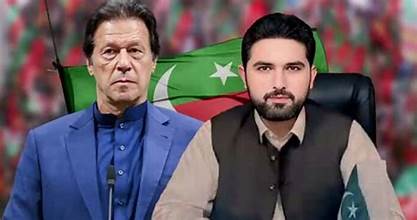
by In Pakistan’s PTI ever-evolving political landscape, public rallies—popularly known as jalsas—have long served as a powerful expression of political strength, public sentiment, and democratic engagement. These gatherings are not merely political events; they are symbolic battlegrounds where narratives are shaped, loyalties are tested, and messages are carried directly to the people. In this context, the recent stance taken by Pakistan Tehreek-e-Insaf (PTI) leader Sohail Afridi, reaffirming his commitment to holding a PTI jalsa in Karachi, has sparked renewed debate, anticipation, and political momentum.
Karachi, Pakistan’s largest metropolis and economic backbone, holds a unique place in national politics. Any major political event in the city sends ripples across the country. By standing firm on organizing the PTI jalsa despite political pressure, administrative challenges, and a charged environment, Sohail Afridi has positioned the event as more than a rally—it has become a statement of political resolve and democratic assertion.
This blog explores the political significance of Afridi’s stance, the importance of Karachi in PTI’s strategy, the broader implications for Pakistan’s democracy, and the message being sent to citizens ahead of the proposed gathering.
The Political Context Behind the Karachi Jalsa
Over the past few years, Pakistan’s political climate has remained tense, marked by polarization, shifting alliances, and frequent confrontations between political parties and state institutions. PTI, once the ruling party, now finds itself navigating opposition politics, relying heavily on public mobilization to keep its narrative alive.
Public rallies have historically been PTI’s strongest tool. From massive gatherings in Lahore and Islamabad to energetic shows of support in Khyber Pakhtunkhwa and Punjab, PTI has consistently demonstrated its ability to mobilize supporters. Karachi, however, presents a different challenge—one that blends ethnic diversity, economic disparity, security concerns, and complex political loyalties.
Sohail Afridi’s insistence on holding a jalsa in Karachi must be understood within this broader political context. It reflects PTI’s determination to maintain relevance in urban Sindh and reassert its presence in a city that has traditionally been contested ground among multiple political forces.
Sohail Afridi: A Voice of Defiance and Mobilization
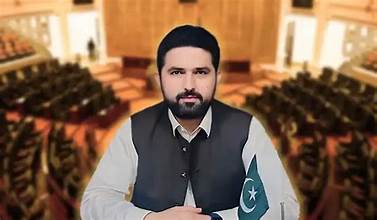
Sohail Afridi has emerged as a vocal and assertive figure within PTI’s leadership ranks. Known for his direct communication style and grassroots engagement, Afridi has consistently emphasized public participation as the cornerstone of PTI’s political philosophy.
By openly declaring that the Karachi jalsa will go ahead as planned, Afridi has sent a clear message: PTI will not retreat from public spaces, nor will it abandon its supporters in major urban centers. His call to Karachiites to attend the rally is both a political appeal and a test of public sentiment.
Afridi’s stance also reflects a broader strategy within PTI—one that prioritizes visibility, resilience, and public engagement over behind-the-scenes negotiations. In doing so, he positions himself as a leader willing to confront obstacles head-on, reinforcing PTI’s narrative of resistance and accountability.
Sohail Afridi Stands Firm on PTI Karachi Jalsa, Urges Citizens to Participate
Why Karachi Matters to PTI
Karachi is not just another city; it is Pakistan’s financial engine, home to millions of voters, and a microcosm of the country’s social and political diversity. Winning hearts in Karachi has always been a challenge for national parties, yet success here often translates into national credibility.https://arynews.tv/cm-punjab-green-tractor-scheme-deadline-for-waiting-list-applicants-set-for-dec-22
For PTI, Karachi represents both an opportunity and a proving ground. The party has previously enjoyed significant support in the city, particularly among youth, middle-class professionals, and politically disengaged voters seeking change. However, maintaining that support requires constant engagement—something Afridi’s proposed jalsa aims to achieve.
A successful rally in Karachi would demonstrate PTI’s continued relevance in Sindh, counter narratives of political decline, and showcase the party’s ability to mobilize beyond its traditional strongholds. Conversely, failure to hold or populate the jalsa could be used by opponents as evidence of waning influence.
Challenges Surrounding the Jalsa
Organizing a large political gathering in Karachi is no small feat. The city’s size, traffic congestion, security considerations, and administrative requirements pose logistical challenges for any political party. In recent times, political events have also faced heightened scrutiny, with permissions, venue availability, and law-and-order concerns often becoming contentious issues.
Sohail Afridi’s insistence on proceeding with the jalsa despite these challenges underscores PTI’s confrontational approach toward what it perceives as unnecessary restrictions on political expression. Supporters argue that peaceful assembly is a democratic right, while critics raise concerns about public inconvenience and security risks.
The debate surrounding the jalsa has thus become symbolic of a larger conversation about democratic freedoms, political space, and the role of state institutions in regulating public dissent.

The Call to Karachiites: More Than Just Attendance
Afridi’s appeal to Karachi’s citizens goes beyond simply filling seats at a rally. His message emphasizes civic responsibility, political awareness, and participation in shaping the country’s future. By urging Karachiites to attend, he is effectively calling on them to reclaim their voice in a system many feel has marginalized public opinion.
For PTI supporters, attending the jalsa is seen as an act of solidarity—not just with the party, but with the broader ideals of transparency, accountability, and justice that PTI claims to champion. For undecided citizens, the rally offers a platform to listen, observe, and engage with political discourse firsthand.
In a city often criticized for political apathy amid daily struggles, Afridi’s call serves as a reminder that political engagement remains a powerful tool for change.Sohail Afridi Stands Firm on PTI Karachi Jalsa, Urges Citizens to Participate
Public Response and Political Reactions
The announcement of the Karachi jalsa has triggered mixed reactions across political and social circles. PTI supporters have welcomed Afridi’s resolve, viewing it as a sign of strength and determination. Social media discussions reflect enthusiasm among party loyalists who see the event as an opportunity to demonstrate mass support.
Opposition parties, meanwhile, have expressed skepticism, questioning PTI’s motives and warning against politicizing public spaces. Some have accused PTI of using rallies to escalate tensions rather than contribute constructively to the political process.
Despite these differing perspectives, the very intensity of the debate highlights the continued relevance of PTI’s mobilization efforts—and the central role Karachi plays in shaping political narratives.
The Role of Jalsas in Pakistan’s Democracy
Public rallies have always been a defining feature of Pakistani politics. From the early days of mass movements to contemporary electoral campaigns, jalsas have functioned as arenas for political education, mobilization, and expression.
Critics argue that rallies often disrupt daily life and fail to translate into meaningful policy outcomes. Supporters, however, see them as essential expressions of democratic freedom, particularly in contexts where institutional trust is low.
Sohail Afridi’s insistence on holding the Karachi jalsa places this debate squarely in the spotlight. It raises questions about how democracy functions beyond ballot boxes and whether public mobilization remains a legitimate means of political participation in modern Pakistan.
Implications for PTI’s Future Strategy
The Karachi jalsa is likely to influence PTI’s political trajectory in the months ahead. A strong turnout would energize party workers, reinforce leadership confidence, and provide momentum for future campaigns. It could also help PTI refine its messaging, identifying key concerns of urban voters.
On the other hand, logistical failures or weak participation could prompt internal reassessment and strategic shifts. For leaders like Sohail Afridi, the event represents both an opportunity and a responsibility—success will strengthen his standing within the party, while setbacks could invite criticism.
Regardless of the outcome, the decision to stand firm reflects PTI’s broader commitment to staying visible, vocal, and engaged with the public.
Karachi’s Political Identity and the Way Forward
Karachi’s political identity has always been complex, shaped by migration, economic disparity, and competing narratives. No single party has been able to dominate the city’s politics indefinitely, making public engagement crucial for sustained relevance.
Afridi’s outreach to Karachiites acknowledges this reality. By directly appealing to citizens rather than relying solely on party structures, he aims to tap into the city’s diverse voices and concerns. Issues such as inflation, unemployment, public services, and governance resonate deeply in Karachi—and the jalsa provides a platform to address them.
Whether citizens respond in large numbers will depend on how convincingly PTI articulates solutions and connects rhetoric with lived realities.
Conclusion: A Test of Resolve and Public Will
Sohail Afridi’s firm stance on holding the PTI jalsa in Karachi represents a defining moment for both the party and the city’s political engagement. It is a test of organizational capacity, public support, and democratic resilience.
By urging Karachiites to participate, Afridi has framed the event as a collective exercise in political expression rather than a mere party gathering. In doing so, he has reignited debate about the role of citizens in shaping political outcomes and the importance of public spaces in democratic life.
As Pakistan continues to navigate political uncertainty, events like the Karachi jalsa serve as reminders that democracy thrives on participation, dialogue, and the willingness to stand firm in the face of challenges. Whether one supports PTI or not, the unfolding situation underscores a fundamental truth: the voice of the people remains central to the nation’s political journey.