 by
by ⚖️ The Court’s Decision
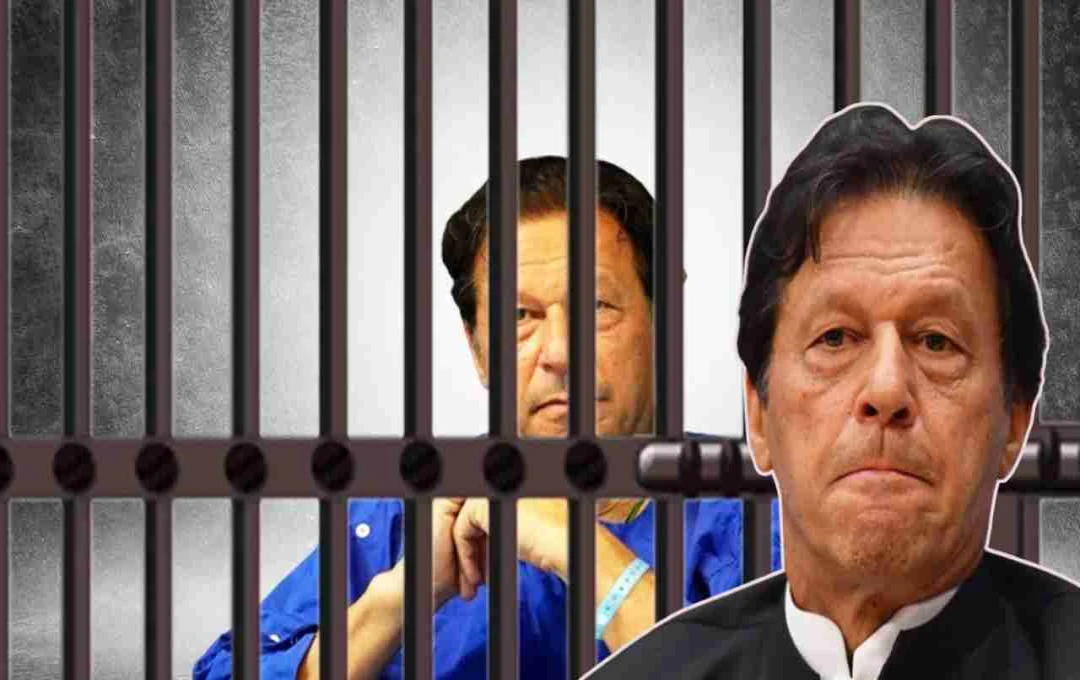
On August 21, 2025, Pakistan’s Supreme Court granted bail to former Prime Minister Imran Khan in eight cases linked to the May 9, 2023, violence. The ruling, delivered by a three-member bench led by Chief Justice Yahya Afridi, marked a significant legal victory for Khan, who has been imprisoned since August 2023. The court emphasized procedural gaps, noting that indictments and charge sheets had not been filed in any of the cases, undermining the prosecution’s readiness for trial. This decision highlights the judiciary’s role in scrutinizing state actions, even in highly politicized cases.
🔍 Background: The May 9 Unrest
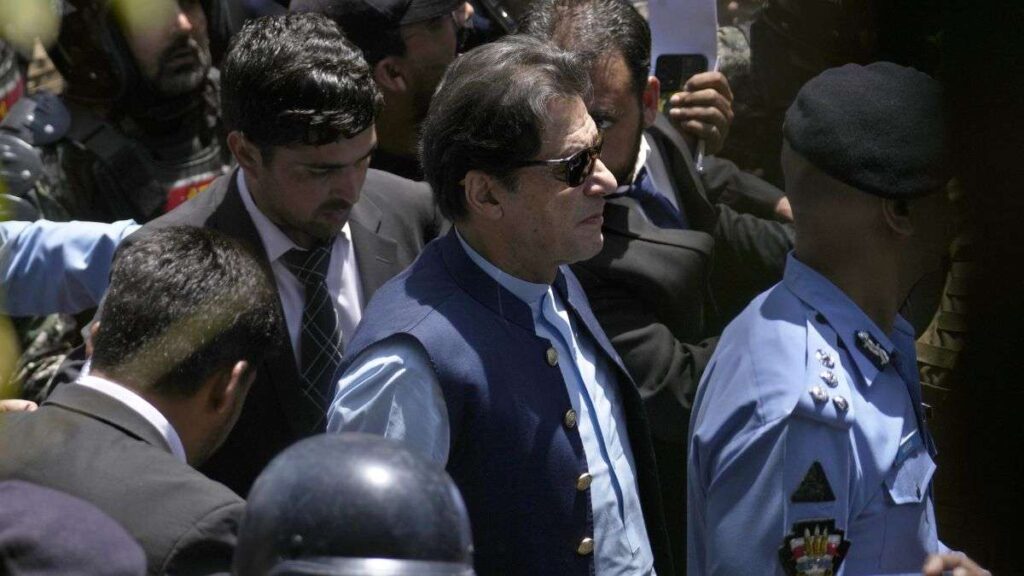
The May 9 protests erupted following Imran Khan’s arrest in Islamabad, with PTI supporters accused of vandalizing military installations, including the Lahore Corps Commander’s residence. The state responded with a sweeping crackdown, registering hundreds of cases against PTI leaders and workers. Khan, labeled the central figure in these events, faced allegations of conspiracy and incitement. However, his legal team consistently argued that the charges were politically motivated and lacked credible evidence. The Lahore High Court’s earlier rejection of bail in June 2025 was overturned by the Supreme Court, which questioned the prosecution’s reliance on disputed witness statements and digital evidence without substantive trial progress.
⚖️ Legal and Political Implications
The bail grant underscores broader issues within Pakistan’s judicial system. Chief Justice Afridi’s bench focused on legal precedents, noting that bail had been routinely granted in similar conspiracy cases. The prosecution’s failure to distinguish Khan’s case from others, coupled with the absence of timely indictments, weakened its stance. Politically, the ruling is a symbolic victory for PTI, which has decried the cases as part of a campaign to sideline Khan and dismantle his party. Despite this relief, Khan remains incarcerated due to convictions in other cases, including the £190 million Al-Qadir Trust graft case. This paradox reflects the tangled web of legal battles defining Pakistan’s political landscape.
🌍 Global and Domestic Reactions
PTI supporters hailed the decision as a “Victory For Imran Khan,” amplifying calls for his release. However, the army’s spokesperson, Lt. Gen. Ahmed Sharif, reiterated that “every individual involved in May 9 will be held accountable,” signaling ongoing institutional resistance. Internationally, the case intersects with concerns about human rights and political repression in Pakistan. U.S. Congressman Chris Smith’s recent hearing highlighted “rampant government violations of basic freedoms,” including the targeting of PTI and independent journalists. The bail ruling may temporarily ease diplomatic pressures, but it also underscores the fragility of Pakistan’s democratic institutions.
💭 The Road Ahead
While the bail grant is a procedural win, it does not guarantee Khan’s freedom or resolve the underlying political crisis. The state’s reliance on multiple cases to prolong his detention reveals a strategy of legal exhaustion. Khan’s team now seeks bail in the remaining Al-Qadir case, which could pave the way for his release. However, the deeper conflict between PTI and the military-establishment persists, fueled by allegations of electoral manipulation and transnational repression. As Pakistan navigates this turmoil, the Supreme Court’s adherence to procedural justice offers a glimmer of hope for judicial independence. Yet, the nation’s soul remains caught between fear and the yearning for change.
✅ Conclusion
The Supreme Court’s decision is a reminder that even in polarized times, the rule of law can assert itself. For Imran Khan, this bail grant is a step toward potential freedom, but his journey reflects broader struggles against political persecution. As Pakistan grapples with its democratic future, the world watches closely, recognizing that justice for Khan is intertwined with justice for the nation itself.