 by
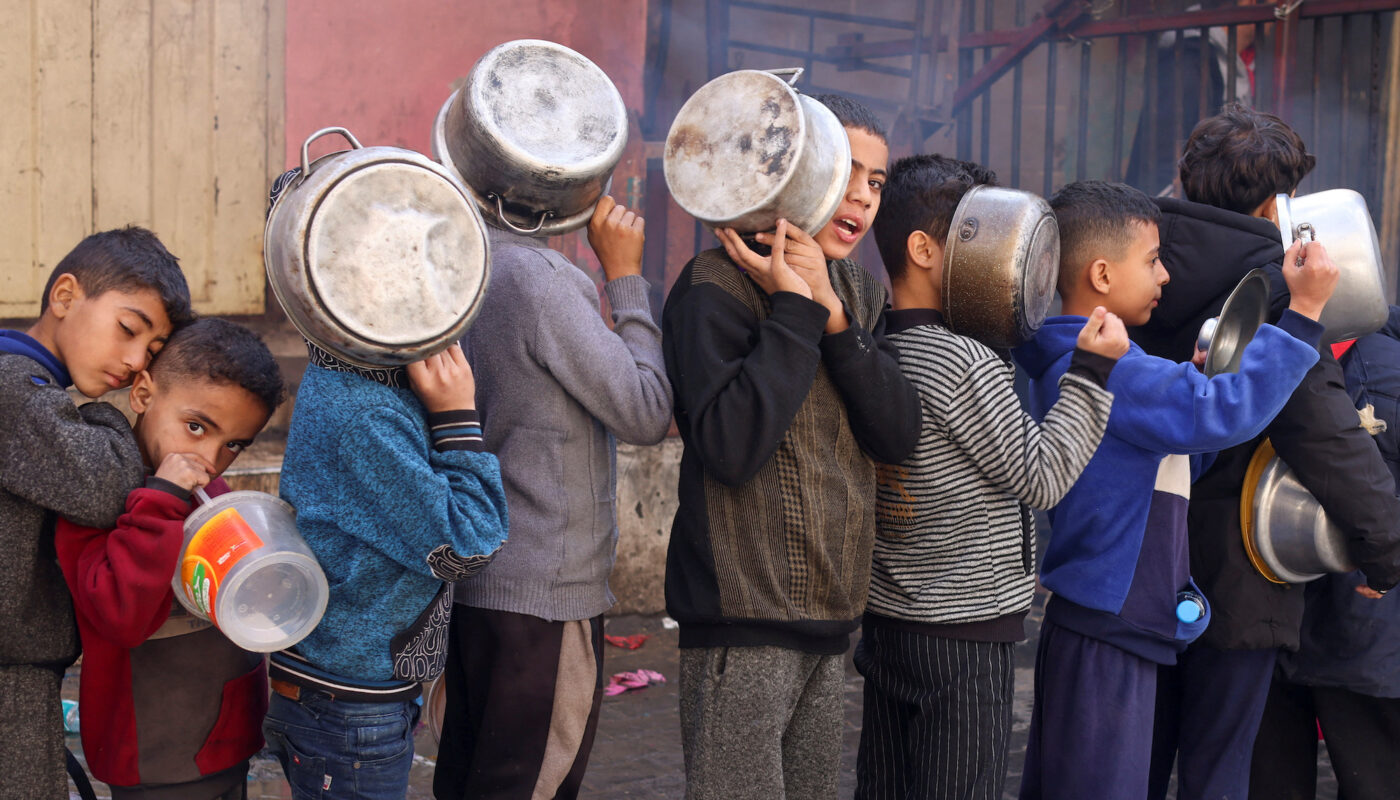
by The humanitarian crisis in Gaza has reached a devastating and heartbreaking scale. According to a recent statement from UNICEF, Israel is reportedly responsible for the deaths of an average of 28 Palestinian children per day in the ongoing conflict. This alarming revelation underscores the severe toll the war has taken on the most vulnerable population—children—who continue to bear the brunt of the violence.
The Weight of Numbers
UNICEF, the United Nations Children’s Fund, has raised serious concerns over the unprecedented rate at which children are dying in Gaza. Since the escalation of hostilities began, the conflict has seen a dramatic rise in casualties, with children accounting for a significant portion of the deaths. The figure—28 children killed every single day—is not just a number; it represents futures extinguished, families shattered, and communities living in a constant state of grief.
The organization emphasized that these children are not collateral damage, but innocent lives being caught in the crossfire of relentless bombings, ground operations, and blocked humanitarian aid. With nowhere to run, no safe zones, and a healthcare system on the verge of collapse, Palestinian children in Gaza face life-threatening dangers at every turn.
A Failing Safe Haven
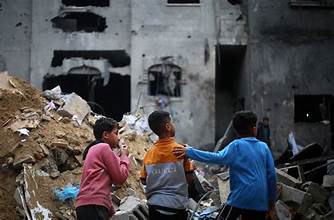
Gaza, already besieged by years of blockade and economic collapse, has become one of the most dangerous places in the world to be a child. Schools, homes, and hospitals—once considered safe zones—have turned into targets or battlegrounds. In many cases, entire families have been wiped out in a single airstrike.
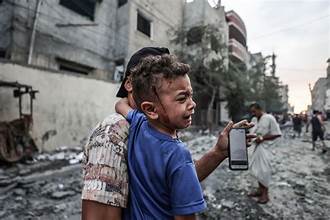
UNICEF’s report paints a picture of children living in sheer terror, waking up to the sounds of explosions, and going to bed not knowing if they will see another day. The mental health toll is just as staggering. Thousands of children are left orphaned, physically disabled, or psychologically traumatized.
Humanitarian Access Blocked
One of the key concerns raised by UNICEF is the inability to provide sufficient humanitarian aid. Israel’s tight control over border crossings and its restrictions on the movement of aid workers have made it nearly impossible to deliver essential supplies, including food, water, and medicine.
Hospitals are overwhelmed. There is a shortage of everything—IV fluids, antibiotics, baby formula, and even fuel to run incubators and surgical equipment. Medical workers, many of them operating under fire, are forced to make impossible choices about who to treat. In some of the worst-hit areas, emergency services can’t even reach the wounded because of continuous airstrikes.
Global Outcry and Calls for Ceasefire
UNICEF’s statements have triggered global outrage, with rights organizations, humanitarian agencies, and governments around the world calling for an immediate ceasefire. The killing of children on such a scale is seen as a clear violation of international law, particularly the Geneva Conventions, which call for the protection of civilians in conflict zones.
The international community has a moral obligation to act. Silence and inaction only serve to embolden further violence. The United Nations, the European Union, and other international bodies have issued repeated appeals, but without sustained diplomatic pressure, the violence shows little sign of slowing.
Impact Beyond Borders
The suffering of children in Gaza has resonated deeply across the globe. Protests, vigils, and social media campaigns have emerged in cities worldwide, demanding justice and accountability. Artists, activists, doctors, and educators have all lent their voices to the call for an end to the killing of innocents.
The crisis is also redefining public discourse on war and peace, occupation and resistance, and the role of global powers in perpetuating or resolving conflict. For many, the sheer scale of child casualties is a stark reminder that this is not just a political dispute—it is a humanitarian catastrophe of historic proportions.
The Need for Accountability
Human rights groups have called for investigations into potential war crimes, particularly those involving the targeting of civilian areas and the disproportionate use of force. The International Criminal Court (ICC) has been urged to take immediate action and begin formal proceedings to determine if international laws have been broken.
Accountability is crucial—not only for justice but also to prevent the normalization of such extreme violence against civilians. The loss of over two dozen children daily should never be seen as an acceptable cost of war.
Conclusion
The situation in Gaza is a profound moral crisis. UNICEF’s grim statistics highlight a brutal reality: that children, the very embodiment of innocence and hope, are paying the highest price in a conflict they did not start and cannot understand.
While political negotiations remain stalled and violence continues, the world must refocus its attention on the humanitarian dimensions of the crisis. Protecting children should be the highest priority—not just for those in power but for all of humanity.
As the death toll rises, the question remains: How many more children must die before the world says enough is enough?