 by
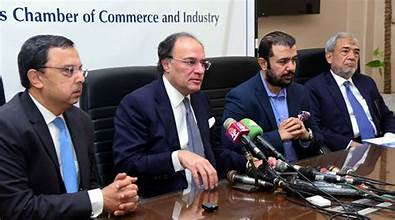
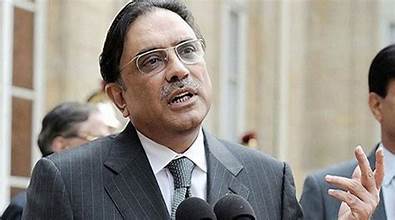
by In a political landscape often marked by sharp divisions, heated rhetoric, and prolonged confrontations, former president Asif Ali Zardari’s recent offer to lead a national reconciliation effort has sparked renewed debate and cautious optimism across Pakistan. Emphasizing cooperation over confrontation, Zardari’s proposal comes at a time when the country faces significant political, economic, and social challenges that demand unity rather than discord. His statement has resonated widely, drawing reactions from political allies, opponents, analysts, and the general public alike.
Pakistan’s history shows that moments of national crisis often require dialogue, compromise, and collective responsibility. Zardari’s call for reconciliation seeks to revive these principles, positioning cooperation as the only viable path forward for political stability and democratic continuity. Whether this initiative will translate into tangible outcomes remains to be seen, but its implications are already shaping political discourse.
Context of Political Polarization
Pakistan’s political environment has grown increasingly polarized in recent years. Rival parties frequently accuse one another of corruption, incompetence, and betrayal of democratic norms. Street protests, legal battles, and confrontational politics have often overshadowed legislative work and policy-driven debate. This climate has not only strained democratic institutions but has also diverted attention from pressing national issues such as economic recovery, governance reform, and social welfare.
Zardari’s offer emerges against this backdrop of persistent tension. His emphasis on reconciliation reflects an acknowledgment that continued confrontation risks further destabilizing the country. Political polarization, if left unchecked, can erode public trust in democratic processes and weaken state institutions. By advocating dialogue and cooperation, Zardari is attempting to shift the narrative from conflict to consensus.
Zardari’s Political Legacy and Reconciliation Narrative
Asif Ali Zardari is no stranger to the idea of reconciliation. During his tenure as president, he championed the “politics of reconciliation,” a slogan that became closely associated with his leadership style. His presidency was marked by efforts to build consensus among political forces, restore parliamentary democracy, and reduce tensions between civilian institutions and other power centers.
Supporters argue that Zardari’s experience navigating complex political environments makes him well-suited to lead such an initiative. They point to landmark developments during his presidency, including constitutional reforms and greater provincial autonomy, as evidence of his capacity for compromise. Critics, however, question whether past controversies and political rivalries could hinder his ability to act as a neutral mediator.
Nevertheless, Zardari’s renewed emphasis on reconciliation suggests a desire to revisit and reinvigorate a political approach that prioritizes dialogue over division.
Cooperation Over Confrontation: The Core Message
At the heart of Zardari’s proposal is a clear message: cooperation is essential for national progress. He has stressed that confrontation may energize political bases in the short term, but it ultimately harms the country by creating uncertainty and instability. According to this view, political actors must rise above personal and party interests to address shared challenges.
Cooperation, as envisioned in this reconciliation effort, does not imply the absence of disagreement. Rather, it calls for constructive engagement where differences are resolved through dialogue, parliamentary debate, and constitutional mechanisms. This approach aligns with democratic principles and encourages institutional stability.
By framing reconciliation as a collective responsibility rather than a partisan maneuver, Zardari aims to create space for inclusive dialogue involving all major stakeholders.
Economic Pressures Driving the Need for Unity
One of the strongest arguments for reconciliation lies in Pakistan’s economic situation. Persistent inflation, fiscal deficits, and external financial pressures have placed immense strain on ordinary citizens. Economic recovery requires consistent policies, investor confidence, and political stability—conditions that are difficult to achieve amid constant political turmoil.
Zardari’s call for cooperation acknowledges that economic challenges cannot be resolved by any single party or government alone. Cross-party consensus on key economic reforms, fiscal discipline, and social protection measures is essential to restore growth and stability. Reconciliation could provide the political breathing room necessary for long-term economic planning and implementation.
For many observers, the success or failure of such an initiative will ultimately be judged by its impact on economic governance and public welfare.
Reactions from Political Stakeholders
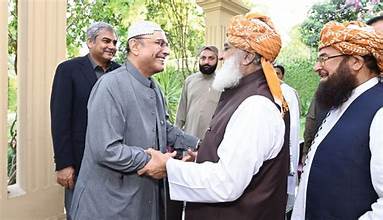
The response to Zardari’s offer has been mixed. Some political leaders have welcomed the call for dialogue, viewing it as a positive step toward reducing tensions and restoring parliamentary norms. They argue that a reconciliation process could help break political deadlocks and foster cooperation on national issues.https://arynews.tv/cm-punjab-green-tractor-scheme-deadline-for-waiting-list-applicants-set-for-dec-22
Others have expressed skepticism, questioning the timing and intentions behind the proposal. Critics contend that reconciliation efforts must be genuinely inclusive and transparent to succeed. Without clear mechanisms and assurances, they warn, such initiatives risk being perceived as symbolic gestures rather than substantive reforms.
Despite differing opinions, the proposal has succeeded in reigniting discussion about the need for political maturity and compromise.
Role of Institutions in the Reconciliation Process
For any reconciliation effort to succeed, strong and credible institutions are essential. Parliament, the judiciary, and other constitutional bodies play a critical role in facilitating dialogue and ensuring accountability. Zardari’s emphasis on cooperation implicitly recognizes the importance of institutional frameworks in managing political disagreements.
A structured reconciliation process could involve parliamentary committees, bipartisan working groups, and regular consultations among political leaders. Such mechanisms would provide formal channels for dialogue, reducing the likelihood of disputes spilling into the streets or courts.
Strengthening institutions through cooperation can also reinforce democratic norms and enhance public confidence in governance.
Public Perception and Trust Deficit
Public trust in political leadership has been strained by years of instability, unmet promises, and governance challenges. Many citizens view reconciliation calls with cautious optimism, hopeful for change but wary of political maneuvering. For reconciliation to gain public support, it must deliver tangible benefits and demonstrate sincerity.
Zardari’s emphasis on cooperation resonates with a population fatigued by constant political drama. However, rebuilding trust will require consistent actions, transparency, and accountability. The public will be watching closely to see whether political leaders follow through on commitments to dialogue and reform.
Lessons from Past Reconciliation Efforts
Pakistan’s political history offers valuable lessons about reconciliation. Past efforts have sometimes succeeded in easing tensions and advancing reforms, while others have faltered due to mistrust and power struggles. Learning from these experiences is crucial to avoid repeating mistakes.
Successful reconciliation requires clear objectives, mutual respect, and a willingness to compromise. It also demands patience, as building consensus takes time. Zardari’s experience with previous reconciliation initiatives may provide insights into what works and what does not, potentially increasing the chances of success this time around.
Media’s Role in Shaping the Narrative
The media plays a significant role in influencing public perception of reconciliation efforts. Balanced reporting and responsible commentary can encourage constructive debate, while sensationalism can deepen divisions. Zardari’s proposal has received extensive media coverage, reflecting its political significance.
For reconciliation to gain momentum, media outlets must provide space for diverse perspectives and informed analysis. By highlighting shared national interests rather than partisan conflicts, the media can contribute to a more conducive environment for dialogue.
Challenges Ahead
Despite its promise, the reconciliation initiative faces several challenges. Deep-seated mistrust among political rivals, competing power interests, and external pressures could hinder progress. Additionally, public skepticism remains a significant obstacle, particularly if early results are not visible.
Another challenge lies in ensuring inclusivity. For reconciliation to be meaningful, it must involve all major political forces and address regional and social concerns. Excluding key stakeholders could undermine the process and reinforce existing divisions.
Overcoming these challenges will require strong leadership, clear communication, and a genuine commitment to cooperation.
Potential Impact on Democratic Stability
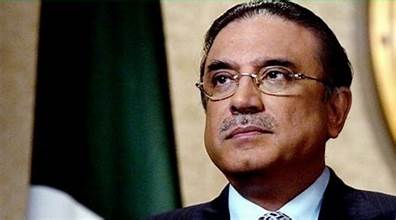
If successful, a reconciliation effort led by Zardari could have far-reaching implications for democratic stability. Reduced political tensions could enable smoother governance, more effective legislation, and improved relations among institutions. This, in turn, could strengthen Pakistan’s democratic framework and enhance its international image.
Conversely, failure could deepen cynicism and reinforce the perception that reconciliation is merely a political slogan. The stakes are high, and the outcome will likely influence the country’s political trajectory in the coming years.
Regional and International Implications
Political stability in Pakistan has implications beyond its borders. Regional partners and international observers closely monitor developments, particularly given Pakistan’s strategic importance. A successful reconciliation process could enhance diplomatic engagement and economic cooperation, while continued instability could raise concerns.
By emphasizing cooperation, Zardari’s proposal aligns with broader expectations for political maturity and responsible governance. International stakeholders often view inclusive dialogue as a sign of stability and reliability, which could positively affect foreign relations.
A Test of Political Maturity
Ultimately, Zardari’s offer to lead a reconciliation effort serves as a test of political maturity for Pakistan’s leadership. It challenges political actors to prioritize national interests over partisan gains and to engage constructively despite differences.
Reconciliation does not mean the absence of accountability or debate. Rather, it calls for resolving disputes through democratic means and respecting institutional processes. Whether political leaders rise to this challenge will determine the initiative’s success.
Looking Ahead
As discussions around reconciliation continue, attention will turn to practical steps and concrete outcomes. Will political leaders engage in meaningful dialogue? Will institutional mechanisms be strengthened? And most importantly, will ordinary citizens see improvements in governance and stability?
Zardari’s emphasis on cooperation over confrontation offers a hopeful vision at a time of uncertainty. While skepticism is understandable, the initiative underscores the urgent need for unity in addressing Pakistan’s challenges. The coming months will reveal whether this call for reconciliation marks a turning point or remains an unrealized aspiration.
Conclusion
Zardari’s offer to head a reconciliation effort reflects a recognition that Pakistan’s future depends on dialogue, compromise, and collective responsibility. By emphasizing cooperation over confrontation, he has reignited a critical conversation about political conduct and national priorities.
The success of this initiative will depend not only on Zardari’s leadership but also on the willingness of all political stakeholders to engage sincerely. In a country yearning for stability and progress, reconciliation represents both a challenge and an opportunity. Whether it leads to lasting change will shape Pakistan’s political landscape for years to come.